
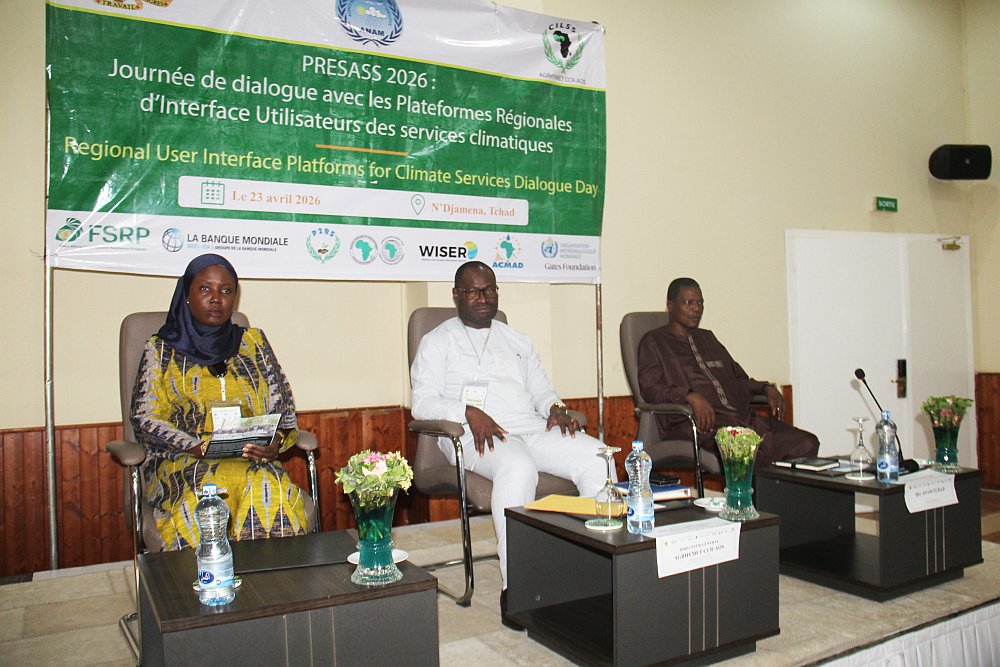
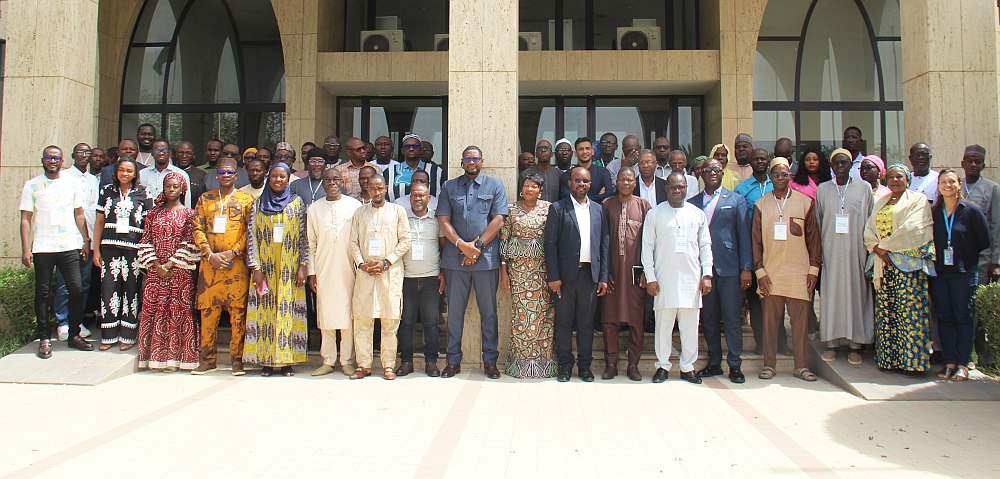
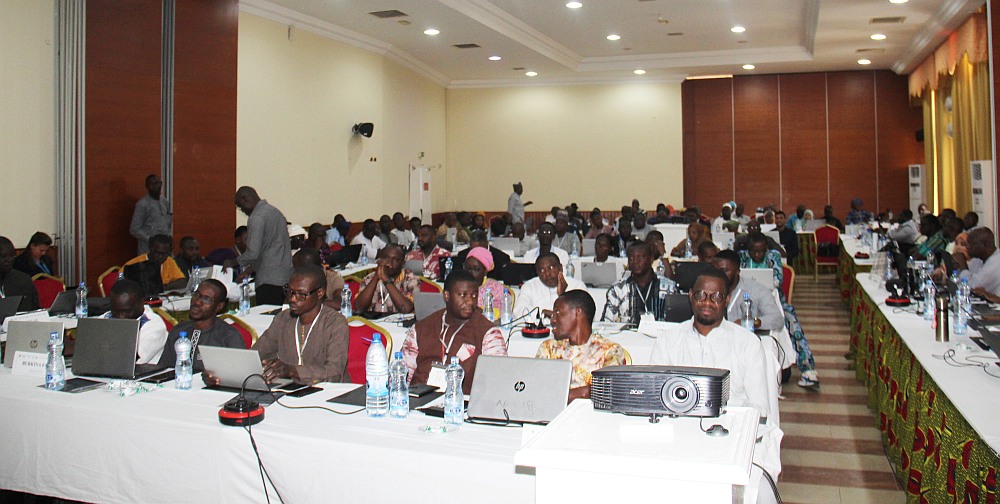
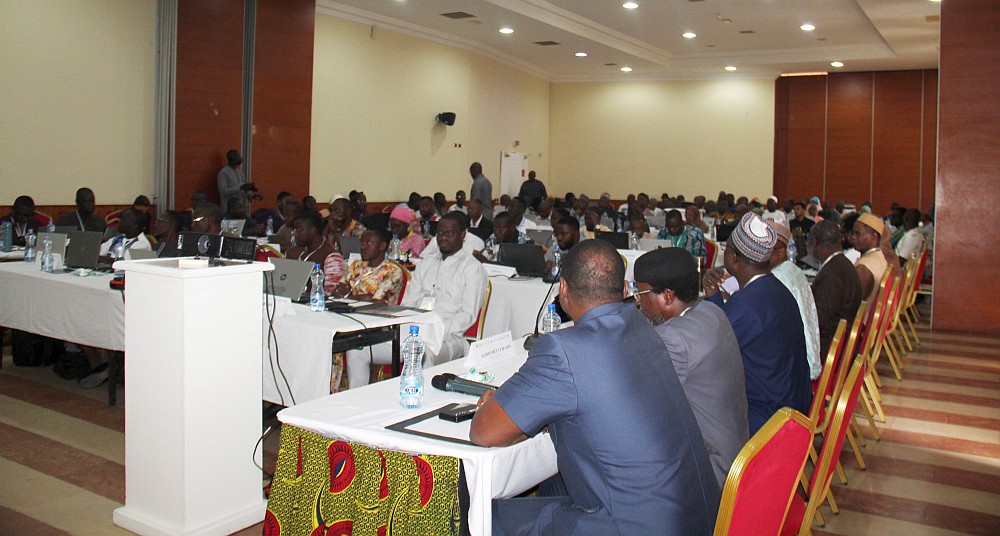
The 2026 Forum on Seasonal Forecasts of Agro-hydro-climatic Characteristics (PRESASS) was held from 20 to 24 April 2026 in N’Djamena, Chad. Organized by AGRHYMET CCR-AOS, ANAM, and the Directorate of Water Resources of Chad, in collaboration with ACMAD, the national meteorological and hydrological services of 17 countries in the region, river basin organizations, and user interface platforms, the forum presented the seasonal forecasts for West Africa and the Sahel.
GWP-WA actively participated in this meeting alongside regional and international partners, with the aim of strengthening cooperation and promoting the effective use of climate forecasts in water resources management.
Forecast Summary
Climatological analyses and global center forecasts for the 2026 rainy season indicate:
- Rainfall totals ranging from above-average to average in Central and Eastern Sahel;
- Rainfall totals normal to below-average in the Sudanian zone and Western Sahel; dans la zone soudanienne et le Sahel Ouest ;
- Normal to early season onset in Central and Eastern Sahel, but late in Western Sahel; dans le Sahel Centre et Est, mais tardives dans le Sahel Ouest ;
- Dates de fin tardives à moyennes dans le Sahel Ouest, normales à tardives dans le Sahel Centre et Est ;
- Séquences sèches longues à moyennes Late to average season end in Western Sahel, normal to late in Central and Eastern Sahel;
- Average to above-average river flows in major basins, notably the Niger, Chad, and Komadougou Yobé. dans les principaux bassins fluviaux, notamment le Niger, le Tchad et la Komadougou Yobé.
Implications
These forecasts point to contrasting risks:
- Floods in areas with excess rainfall and high river flows; dans les zones de pluies excédentaires et écoulements élevés ;
- Drought and water deficits in zones with below-average rainfall and prolonged dry spells;
- Health risks linked to waterborne diseases and agricultural pests;
- Potential social tensions due to impacts on agriculture, livestock, and food security.
Key Recommendations

The final communiqué of PRESASS recommends:
- Strengthening monitoring and anticipatory actions against floods and droughts;
- Promoting climate-smart agricultural techniques and adapted crop varieties;
- Developing systems for rainwater harvesting and storage;
- Broad dissemination of seasonal forecasts and agrometeorological advisories;
- Encouraging index-based agricultural insurance to secure farmers’ incomes.
Conclusion
GWP-WA’s participation in PRESASS 2026 illustrates its commitment to supporting regional stakeholders in integrating climate forecasts into water resources management. These conclusions will serve as a foundation for enhancing community resilience to climate risks and for promoting stronger regional cooperation in water and food security.