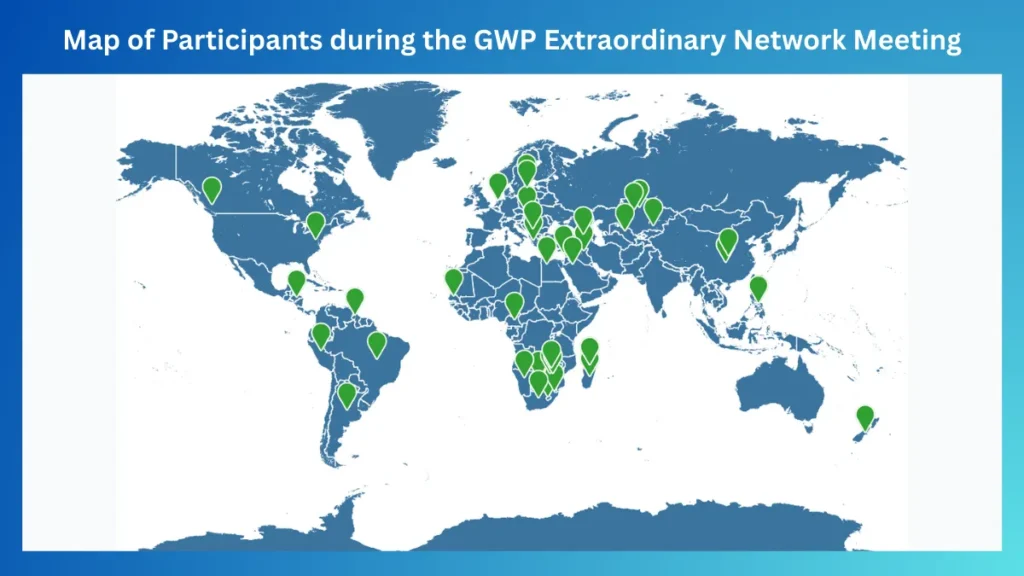
In a unanimous vote, Partners of the Global Water Partnership (GWP) approved proposed amendments to the GWP and GWPO Statutes during an Extraordinary Network Meeting yesterday – a decisive step in Phase 2 of GWP’s Governance Reform, focused on strengthening accountability, clarifying governance roles, and streamlining decision-making across the Partnership.
The meeting brought together almost 200 participants from about 60 countries, with Partners from 23 countries participating in the vote.
The vote clears the way for final consideration by GWP Sponsoring Partners, as required under the GWP Establishment Memorandum of Understanding.
The reforms establish a single, streamlined, and inclusive governance system for GWP, strengthening accountability, clarifying decision-making roles, and reinforcing the central role of GWP Partners in shaping how the Partnership is governed. They also enhance fiduciary oversight and position the network to deliver large-scale, climate-resilient water investment outcomes aligned with GWP’s Global Transformation Agenda and Strategy 2026–2030.
The decision follows extensive consultations across the GWP network and endorsement by its governing bodies.
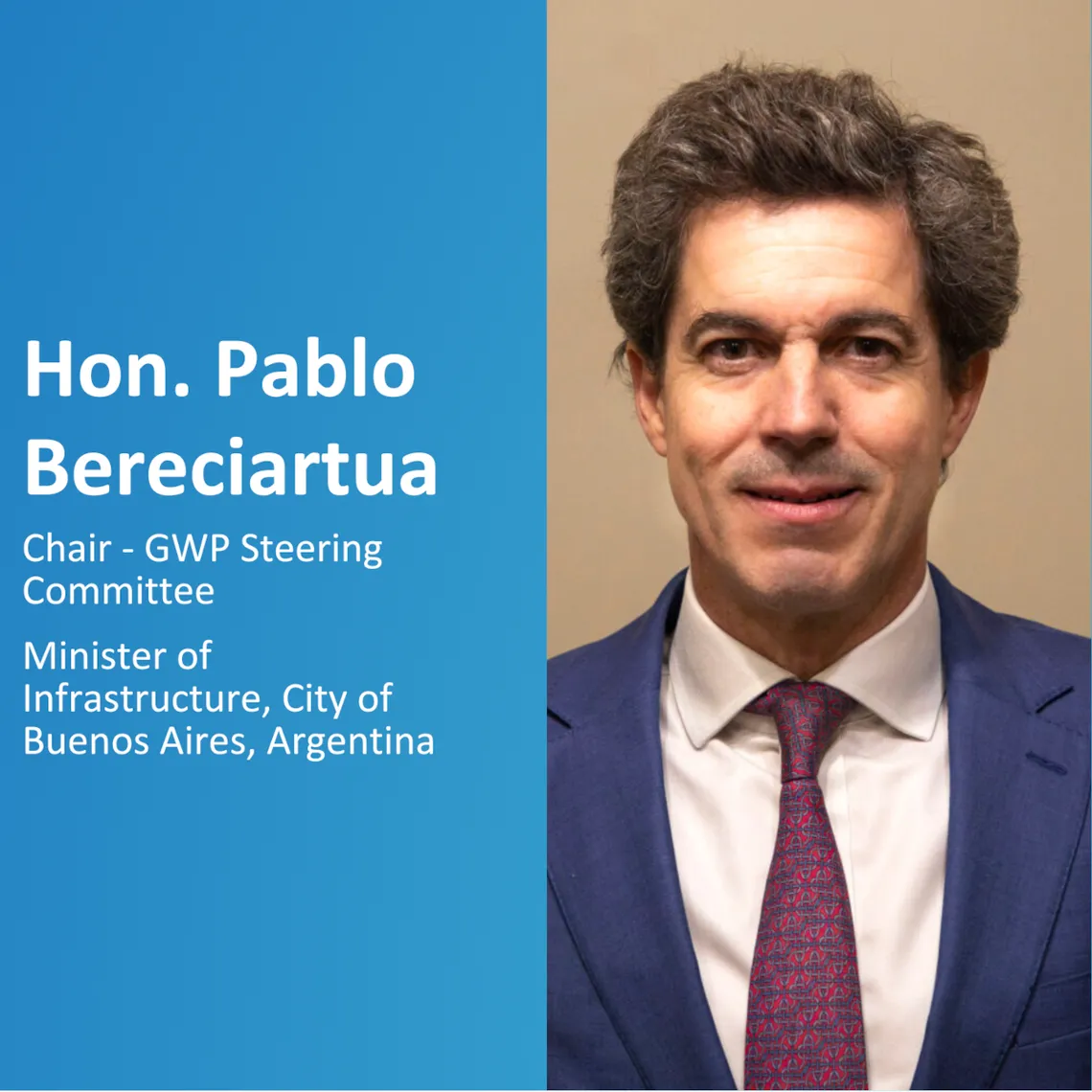
“Today’s decision marks a pivotal moment for our Network. These reforms ensure that GWP’s governance is fit for purpose, reinforcing the central role of Partners in shaping how GWP is governed and strengthening our collective ability to mobilise climate-resilient water investments at scale,” said Hon. Pablo Bereciartua, Chair – GWP Steering Committee; Minister of Infrastructure, City of Buenos Aires, Argentina.
Evaluation Endorses Performance and Validates Direction
These statutory changes are in line with the Sida External Evaluation of the GWP Strategy 2020–2025, which endorsed GWP’s strong performance and delivery over the past five years. The evaluation validated GWP’s strategic direction and called for clearer governance roles, stronger accountability mechanisms, and a unified “One GWP” system to accelerate impact across all levels of the network.
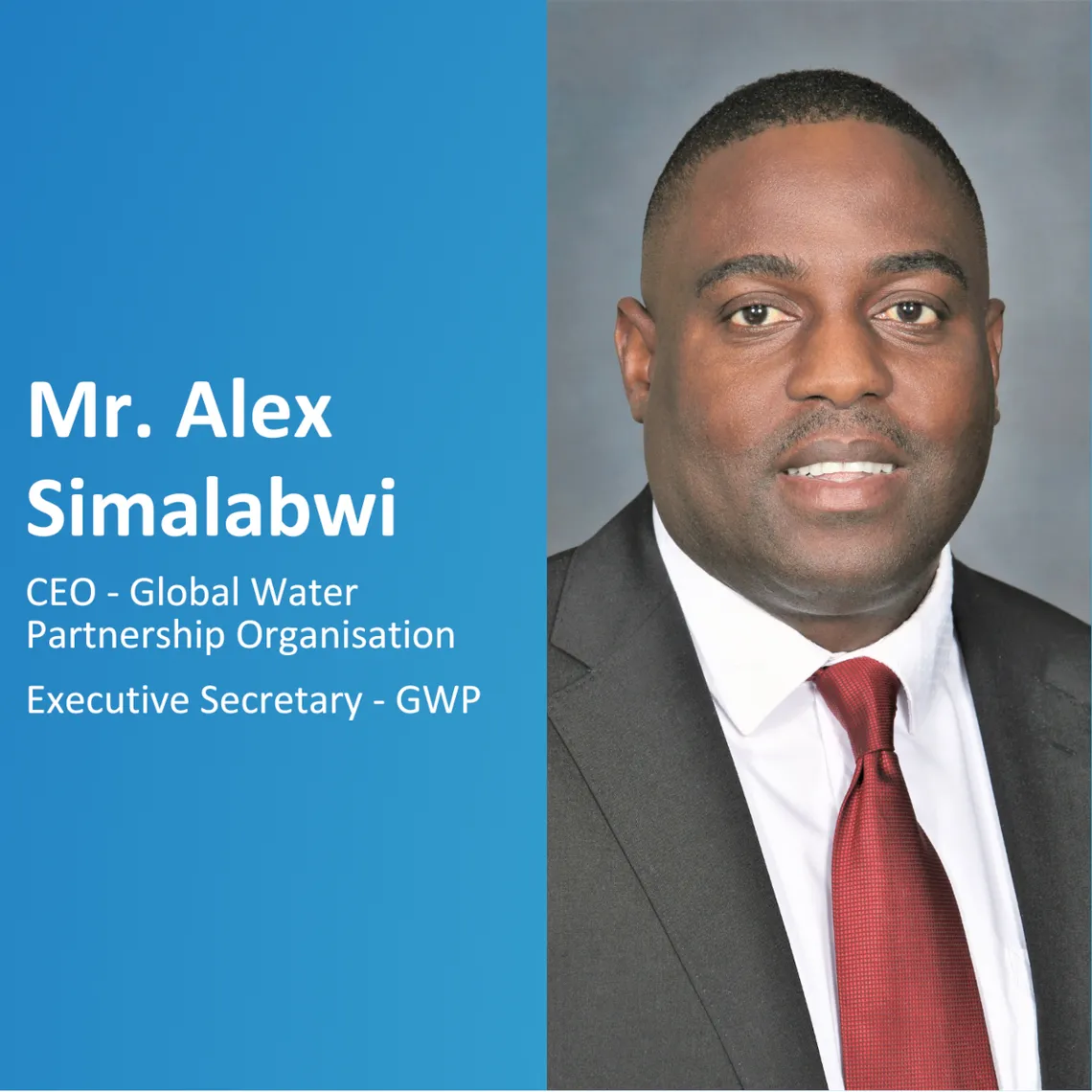
“We are not simply voting on amendments. We are voting on the relevance, credibility, and future direction of the Global Water Partnership,” said Mr. Alex Simalabwi, CEO – GWPO; Executive Secretary – GWP
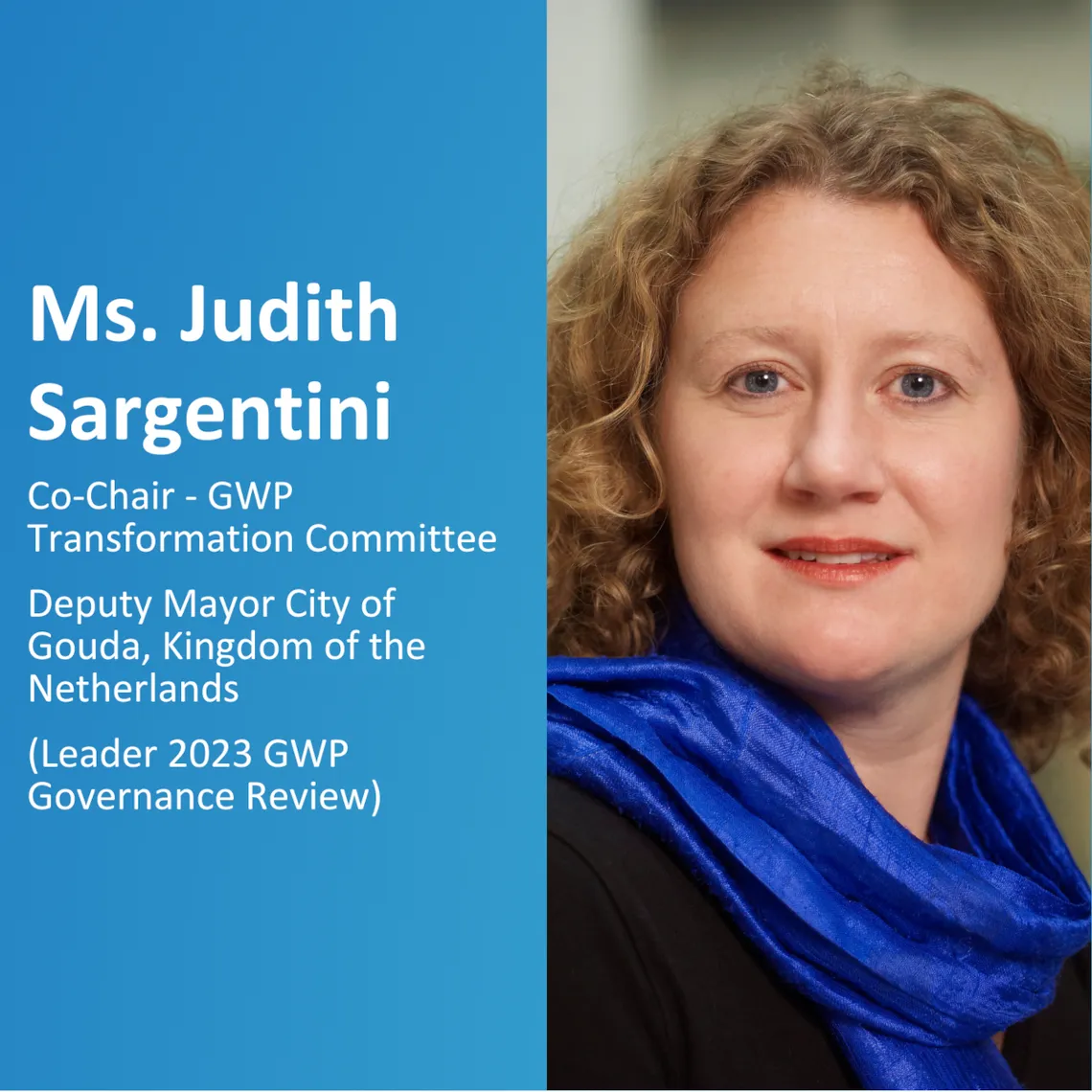
These reforms draw on the 2023 GWP Governance Review led by Ms. Judith Sargentini, which examined whether GWP’s governance arrangements were fit to support its growing ambition and global role, and recommended how governance could be modernised.
“The External Evaluation made it clear that GWP needed stronger accountability and clearer roles – and these reforms answer that call by empowering the General Assembly and creating a more coherent ‘One GWP’ system,” said Ms. Judith Sargentini, Co-Chair – GWP Transformation Committee; Deputy Mayor, City of Gouda, Kingdom of the Netherlands, Leader of the 2023 Governance Review.
Key Governance Outcomes Approved
Through the statutory amendments, GWP partners agreed to:
- Establish a GWP General Assembly as the highest decision-making body, integrating Sponsoring Partners, Regional Water Partnerships and GWP Partners – including development finance partners – through a constituency-based model;
- Transform the current Steering Committee into a lean and agile GWP Board of 9 – 11 independent members, supported by dedicated sub-committees;
- Clarify the legal status, mandates, and accountability lines between the intergovernmental organisation (GWPO), Regional Water Partnerships (RWPs) and Country Water Partnerships (CWPs);
- Strengthen fiduciary controls, risk management, compliance frameworks, and institutional legitimacy in line with international governance standards.
Collectively, these reforms are designed to simplify decision-making, reduce duplication, enhance donor confidence, and improve system-wide coherence.
Interactive Discussion on GWP’s Governance Reform
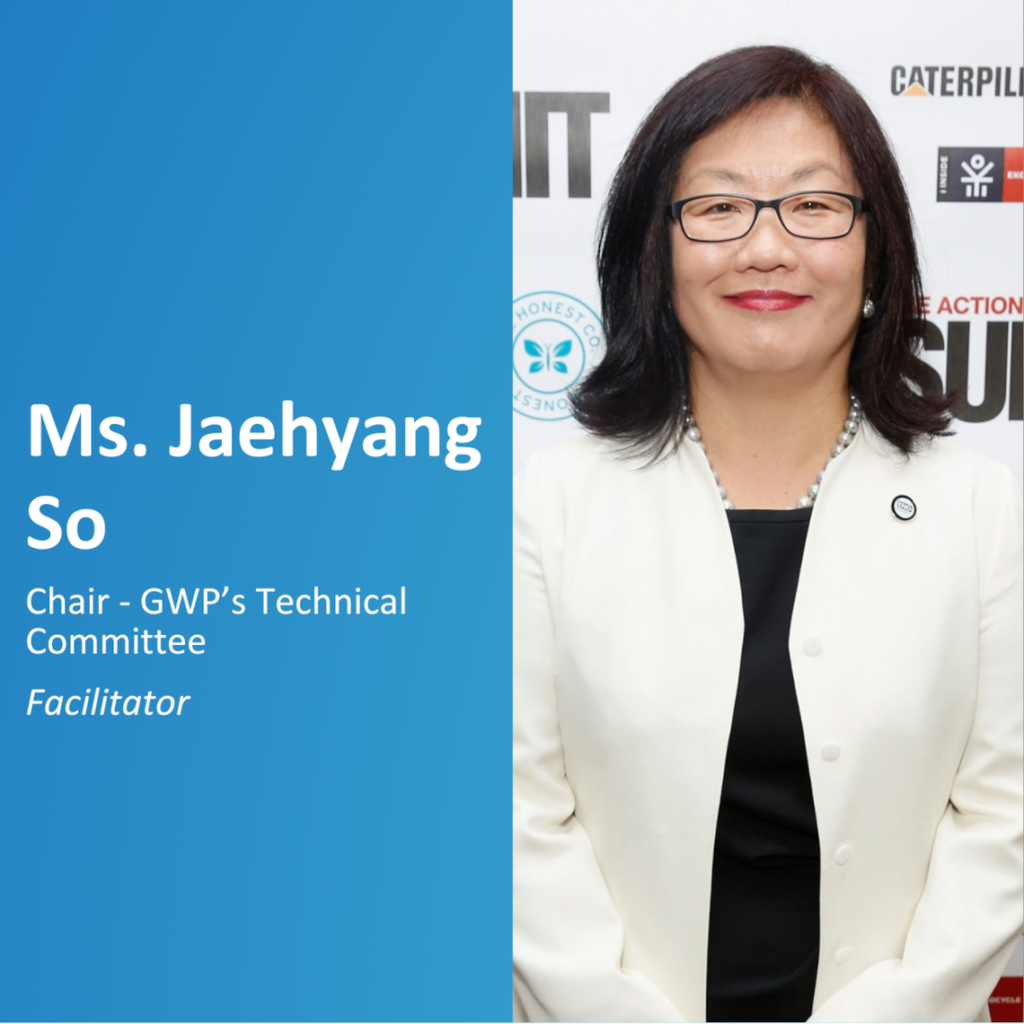
In an interactive discussion facilitated by Ms. Jaehyang So, Chair of GWP’s Technical Committee, panellists shared perspectives on the Governance Reform and its implications for action at global, regional, and country levels, highlighting how clearer governance arrangements would strengthen accountability, partner representation, and impact across the GWP Network.
“The water security agenda is daunting, but the investment gap is achievable – and these reforms are about making sure GWP can deliver at the scale required,” said Ms. Jaehyang So.
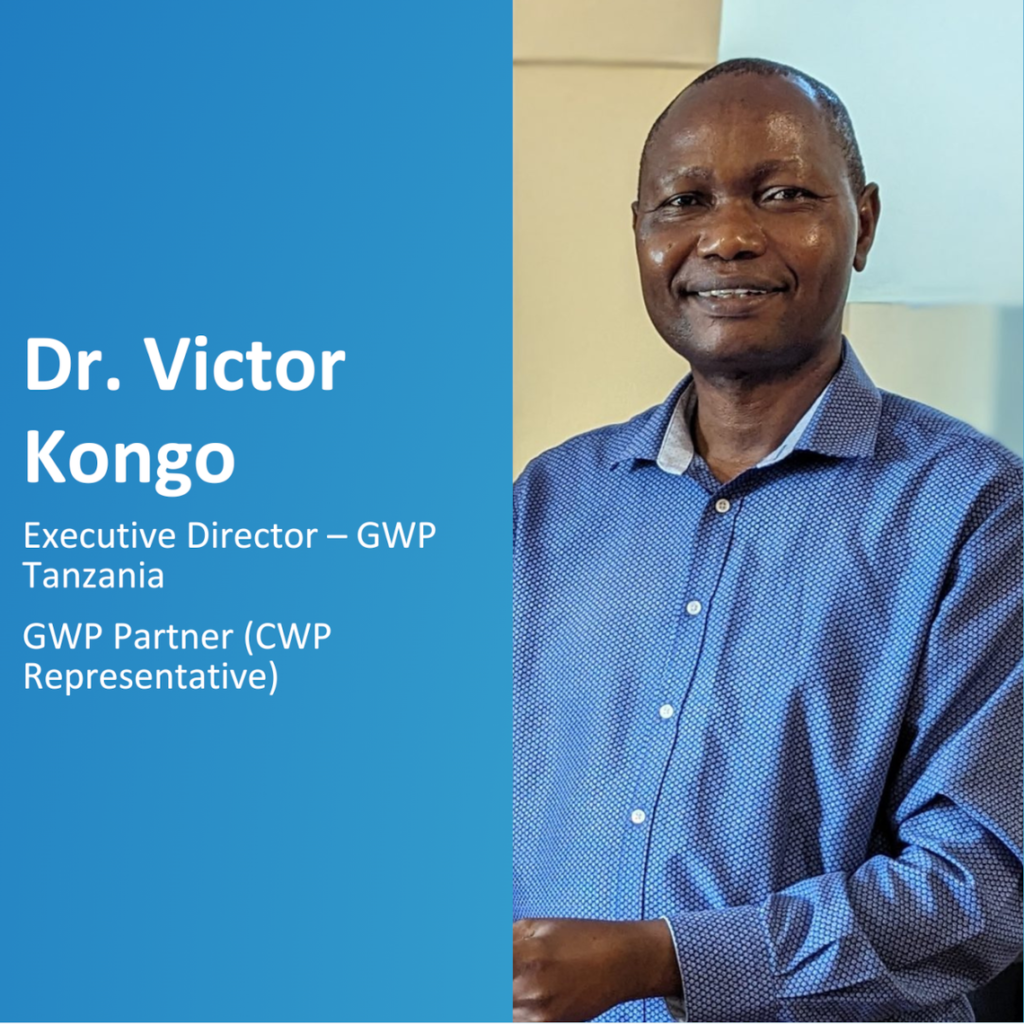
From a country perspective, the importance of faster and more responsive decision-making was underscored.
“These reforms are very pertinent and required now – clearer governance will enable faster decision-making so countries can respond quickly to climate and water challenges,” said Dr. Victor Kongo, Executive Director of GWP Tanzania and GWP Partner.
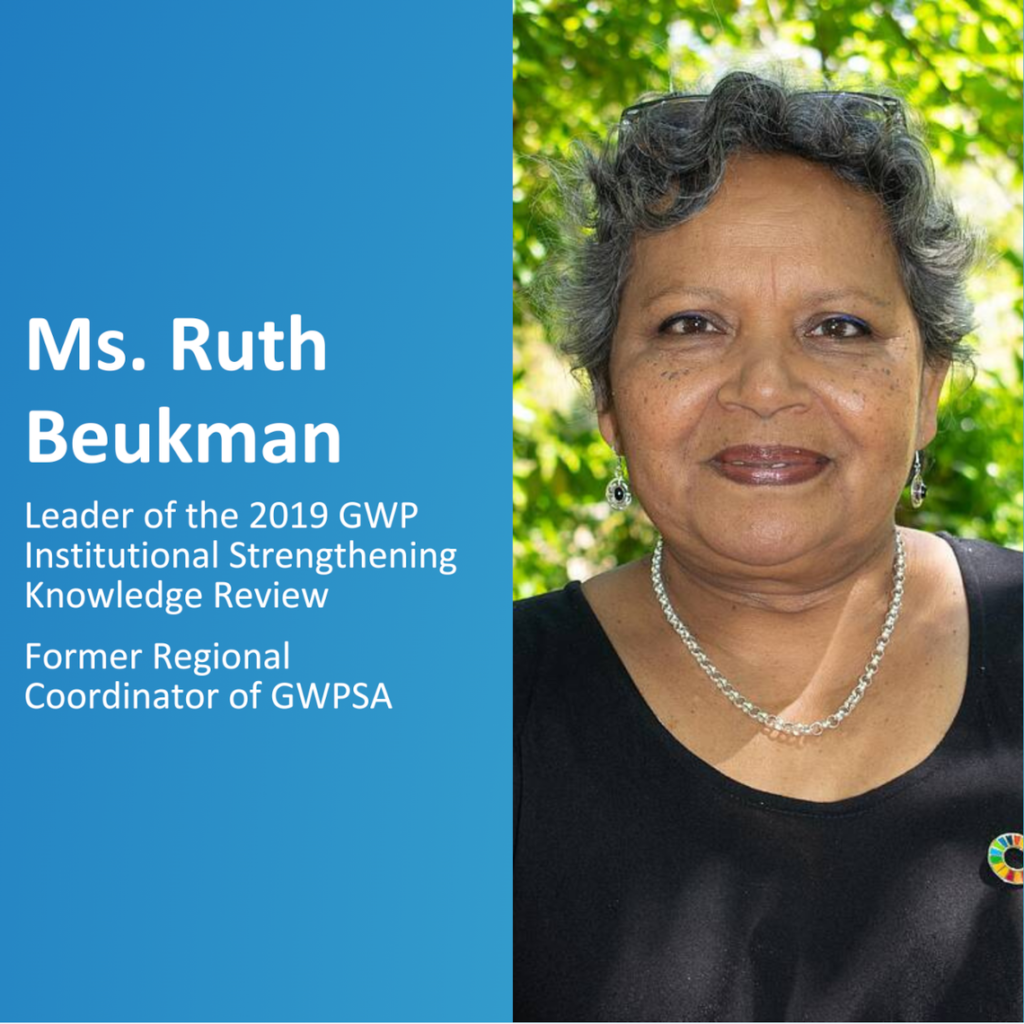
Reflecting on the system-wide implications, the importance of stronger connectivity across the GWP network was emphasised.
“If the different parts of GWP truly become interconnected, we can deliver far more impact from local to global levels,” said Ms. Ruth Beukman, Leader of the 2019 GWP Institutional Strengthening Knowledge Review.
Next Steps
With the statutory amendments approved by Partners at the Extraordinary Network Meeting, GWP will proceed with developing the rules of procedure to guide implementation, subject to final approval by the Sponsoring Partners.
These reforms position GWP to more effectively support countries and regions in mobilising finance, strengthening water governance systems, and advancing a water-secure, climate-resilient future.
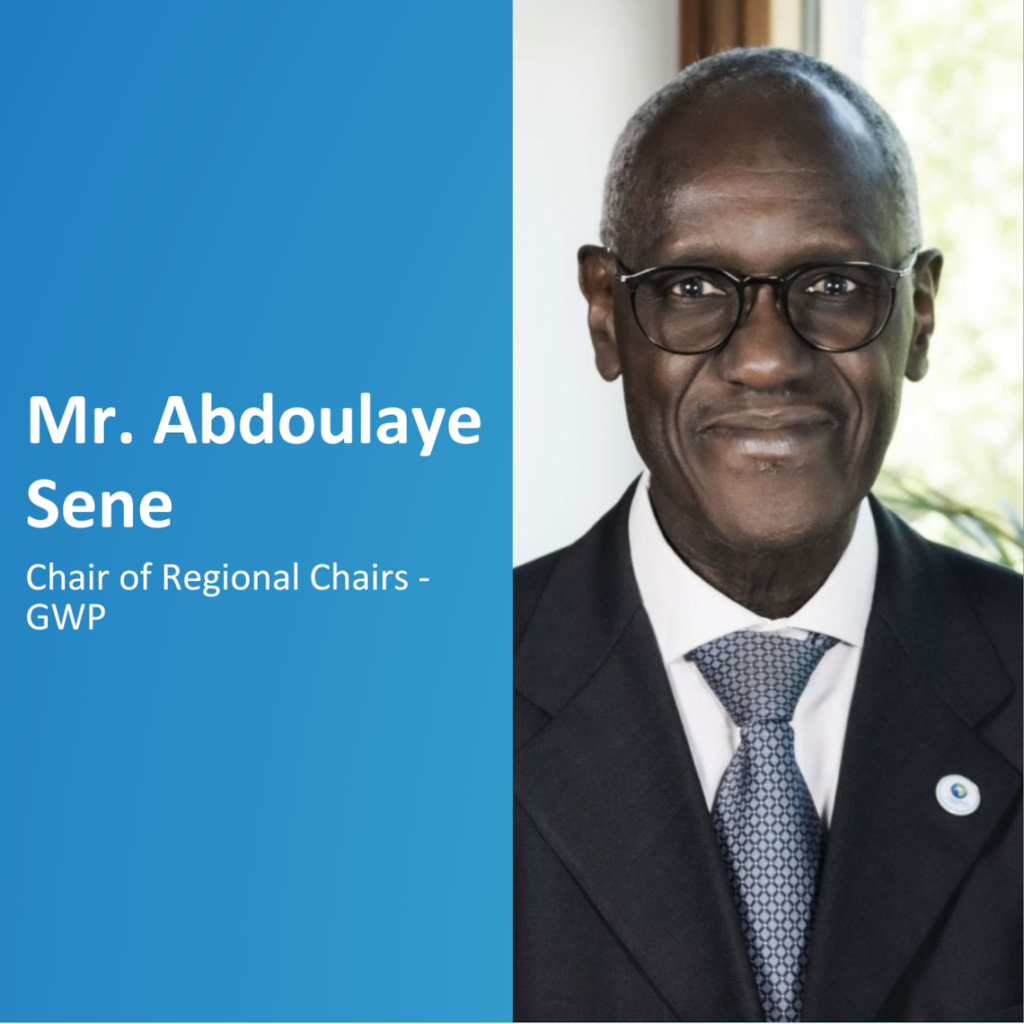
In his closing remarks, Mr. Abdoulaye Sene, GWP’s Chair of Regional Chairs, concluded:
“Water security does not wait, and the world is counting on us. Thank you for your commitment, your contribution, and your trust.”