
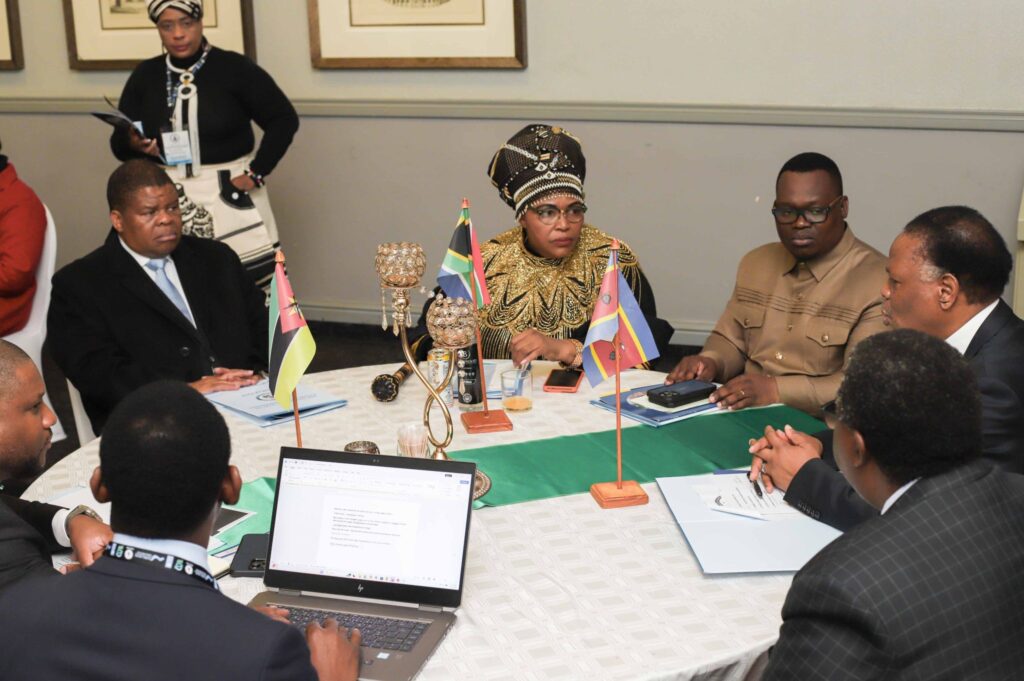
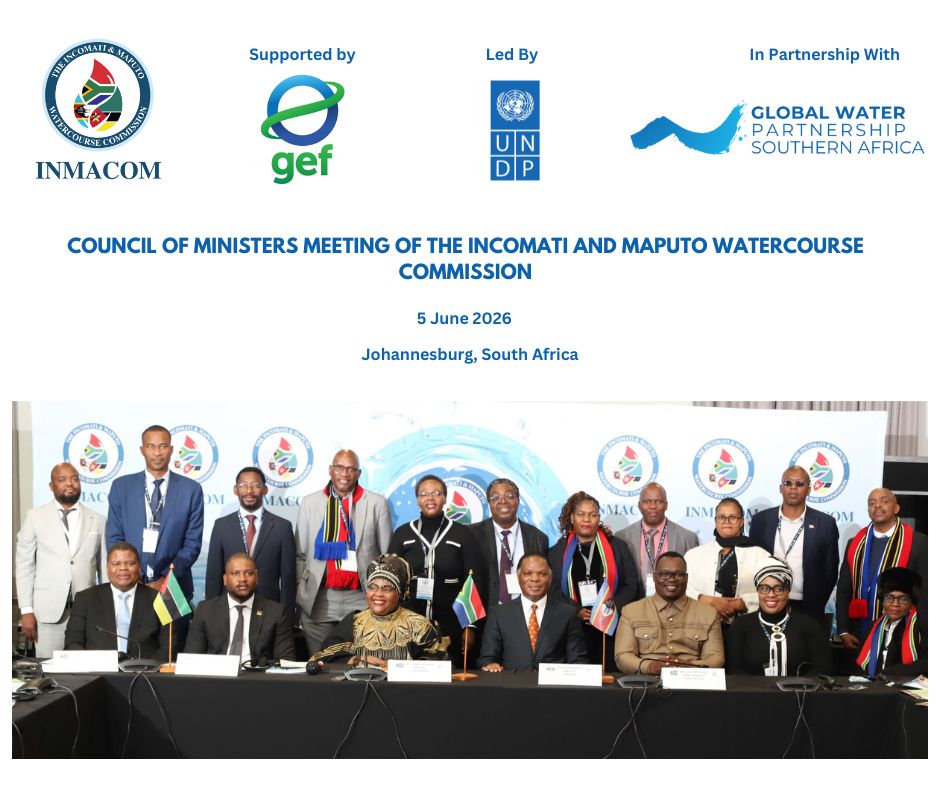
The Republic of South Africa hosted the first-ever Council of Ministers Meeting of the Incomati and Maputo Watercourse Commission (INMACOM) at the Birchwood Hotel in Boksburg on June 5, 2026.
The landmark gathering marked a historic milestone in regional cooperation on shared water resources among the Republic of South Africa, the Kingdom of Eswatini and the Republic of Mozambique.
South Africa’s Minister of Water and Sanitation, Ms. Pemmy Majodina formally welcomed her counterparts responsible for water affairs from Eswatini and Mozambique for the landmark engagement. She stated that the meeting was a testament to the enduring power of cooperation among nations that recognise a fundamental truth that water transcends political boundaries, and that rivers do not acknowledge borders; but connect landscapes, communities, economies and ecosystems.
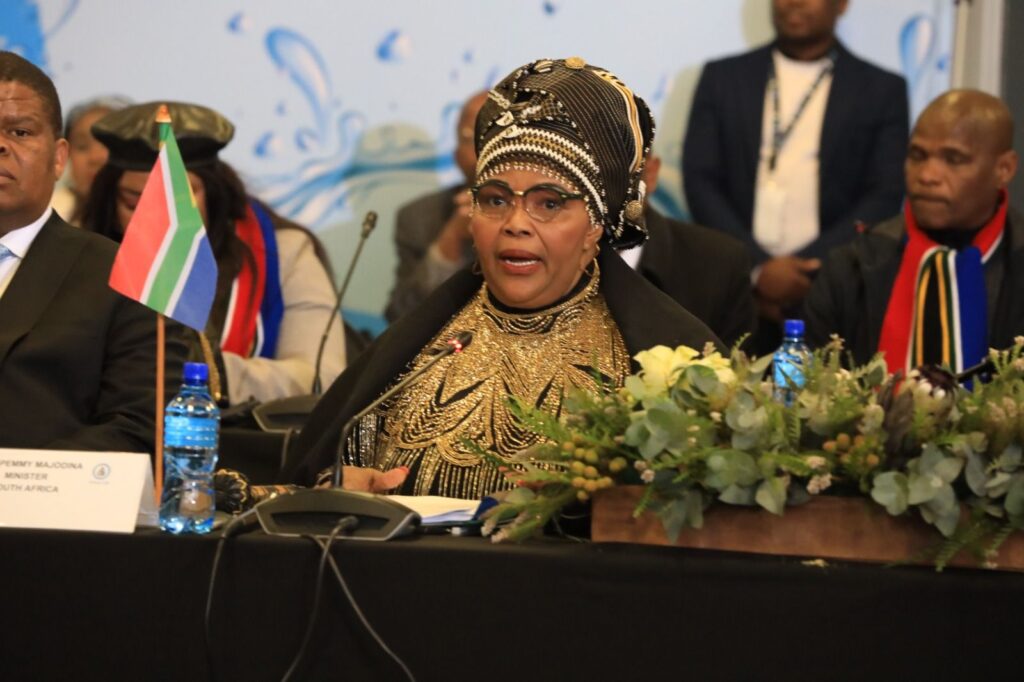
“South Africa, Eswatini, and Mozambique celebrate the inaugural INMACOM Council of Ministers Meeting, highlighting their partnership as custodians of the Incomati and Maputo rivers. These shared watercourses are vital natural assets that sustain agriculture, industry, energy, biodiversity, and livelihoods ultimately underpinning food security, domestic use, economic development, and life itself,” said South Africa’s Minister of Water and Sanitation, Ms. Pemmy Majodina.
The Minister of Natural Resources in Eswatini, Prince Lonkhokhela stated that the river basins that weave through Eswatini, Mozambique, and South Africa are the lifeblood of economies, the anchors of ecosystems, and the foundational support for the livelihoods of millions of citizens. He stated that Eswatini’s presence underscores an undeniable truth that water resources and climate risks are shared, and the three countries’ prosperity is inextricably linked.
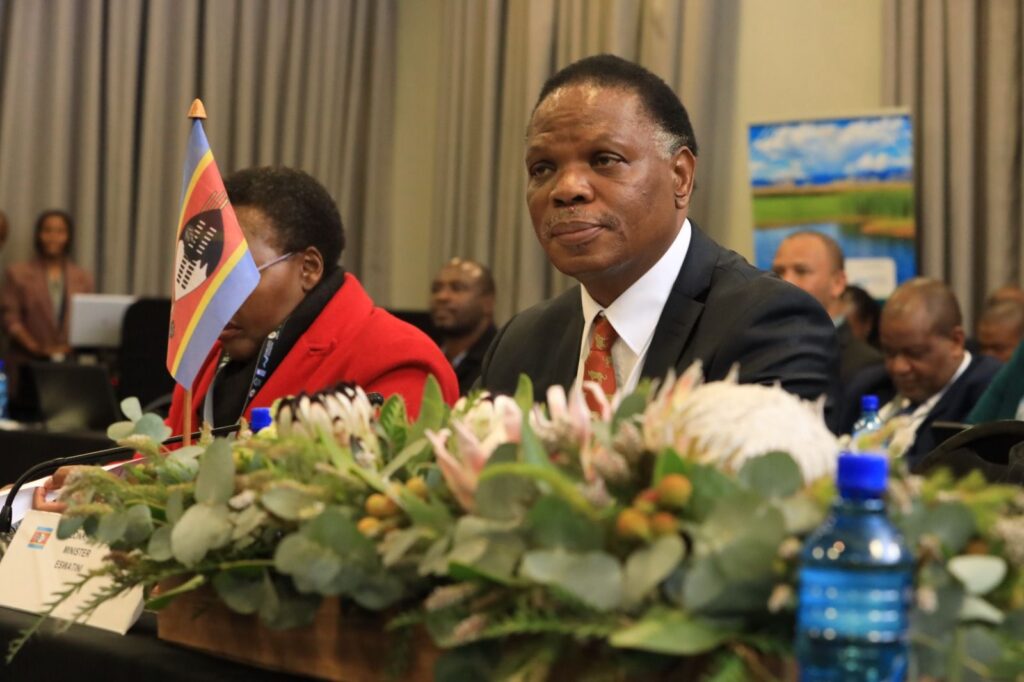
“River Basin Organisations are beacons for regional integration. They stand as a beacon of regional integration, diplomacy, and collaboration in the area of management of transboundary water resources. Cooperation under INMACOM is not just an environmental imperative; it is an economic and developmental necessity. Collaboration in the management of shared waters resources unlocks opportunities for sustainable energy generation, enhanced agricultural productivity, and robust ecosystem resilience,” said the Minister of Natural Resources in Eswatini, Prince Lonkhokhela
Mozambique Minister of Public Works, Housing and Water Resources, Fernando Rafael, said the efforts undertaken by the Member States demonstrate their commitment to the sustainable development agenda through regional cooperation, the results of which are visible and translate into an ever-increasing dynamic in the coordination of actions and the sharing of hydrological information; in water quality; in the mobilization of funding for the execution of joint projects and the timely sharing of information.
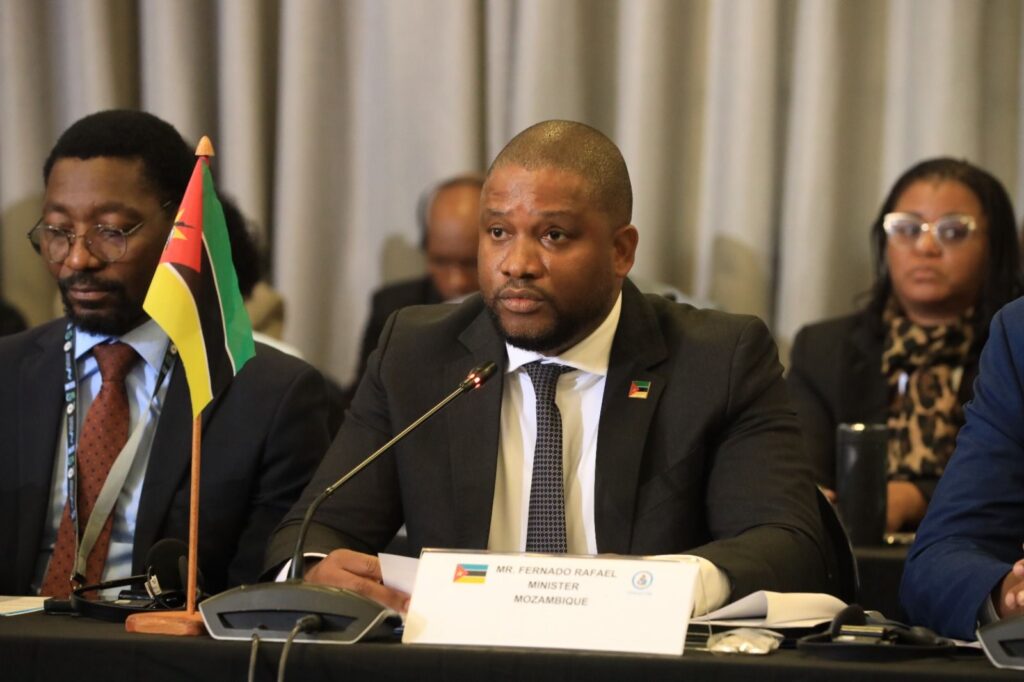
“On behalf of the Government of Mozambique, I want to reaffirm the Mozambican State’s commitment to the principles of the SADC Protocol on Shared Watercourses and the Zambezi Commission in particular. We want to do our best to ensure that the instruments we are adopting today are implemented and produce results that translate into improved quality of life for our populations,” said Mozambique’s Minister of Public Works, Housing and Water Resources, Fernando Rafael.
One of the projects that INMACOM is implementing is the UNDP-GEF Project: “Strengthening Integrated Transboundary Management of the Incomati and Maputo River Basins which is funded by the Global Environment Facility (GEF) and implemented by UNDP with the execution by the Global Water Partnership Southern Africa (GWPSA). The project supports the Commission and its three Member States to strengthen basin‑wide planning, data and information systems, climate and disaster risk preparedness, and source‑to‑sea management, so that shared water resources can better sustain livelihoods, ecosystems and economic development across the region.
UNDP Deputy Resident Representative for Eswatini Ms. Nessie Golakai-Gould, speaking on behalf of the GEF project, emphasized that the initiative is a single, integrated investment in the future of the Incomati and Maputo basins, blending resources with substantial co‑financing from the three countries to strengthen governance, climate and disaster risk preparedness, data and information systems across the shared basins.
Furthermore, in the Council of Ministers meeting, South Africa formally handed over the chairmanship of INMACOM to Mozambique, following five years of dedicated stewardship. This transition underscored collective commitment to continuity and strengthened regional cooperation.
The meeting also addressed critical governance matters, including the presentation of INMACOM’s performance report, the consideration and approval of audited financial statements and management reports, and the endorsement of the annual workplan and budget for the 2026/27 financial year. In addition, a two‑year rolling work plan and programme framework was tabled and approved, ensuring that INMACOM remains strategically aligned with its long‑term vision for sustainable water resource management.