
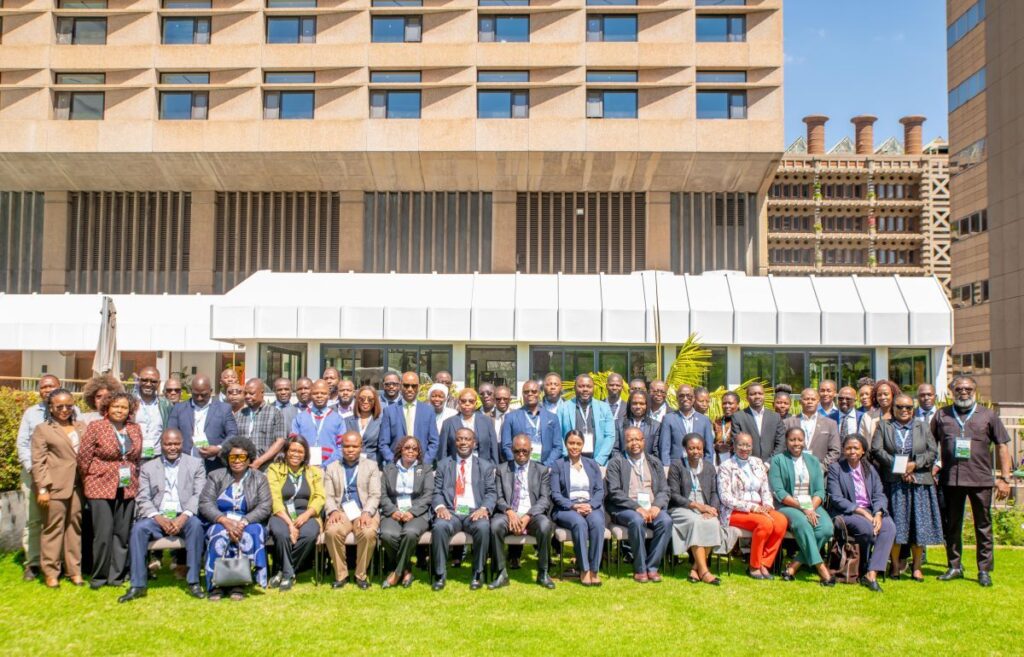
Efforts to strengthen climate resilience, food security and ecosystem restoration across the Zambezi River Basin are moving closer to implementation following a regional workshop held in Harare, Zimbabwe, from 9 to 11 September 2026. Convened by the Zambezi Watercourse Commission (ZAMCOM), in collaboration with the African Development Bank (AfDB) and the Global Mechanism of the United Nations Convention to Combat Desertification (UNCCD), the workshop brought together representatives from all eight Zambezi Basin countries and regional partners. Participants, including GWPSA, advanced the Pre-Appraisal Mission for the Programme for Building Resilience of Food, Livelihoods and Ecosystems in the Zambezi River Basin (BREFOLE-ZRB), which is being developed to support coordinated investments addressing interconnected challenges across water, food systems, livelihoods, land and ecosystems.
The three-day workshop provided a platform to review and validate the programme’s technical design, financing arrangements, institutional and implementation framework, and environmental and social safeguard requirements. Discussions covered proposed regional and national investments, financing priorities, intervention areas and nature-based solutions. Participants also considered alignment with national priorities, the Southern Africa Great Green Wall Initiative, and wider efforts to address land degradation, drought, climate change and sustainable land management.
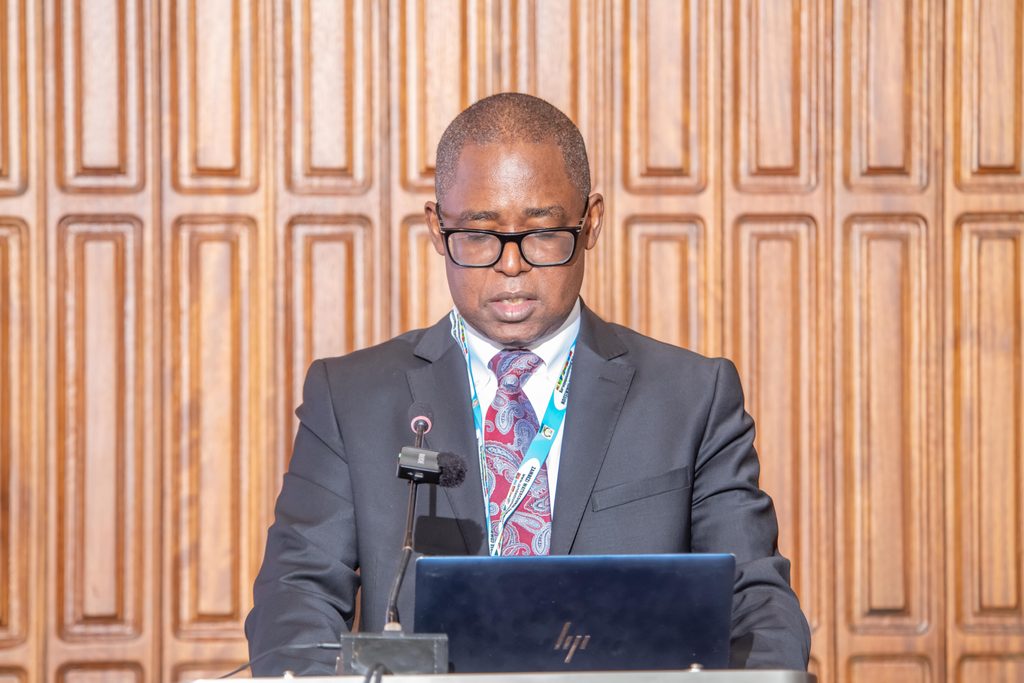
Dr Laouali Garba, AfDB Division Manager for Agricultural Research, Production and Sustainability, giving his remarks during the regional workshop
AfDB Division Manager for Agricultural Research, Production and Sustainability Dr Laouali Garba underscored the need for a coordinated regional approach. “This is a very important programme. Climate change is a very big issue and it is difficult for one country to tackle it alone. Countries have already agreed to work together,” he said.
The programme has an estimated financing envelope of US$290 million. Resources are being mobilised through the AfDB and development partners, including the Climate Investment Funds (CIF), Global Environment Facility (GEF), Green Climate Fund (GCF) and other financing sources. The funding is expected to support investments in agriculture, water, energy, environmental restoration and livelihoods across the eight participating countries.
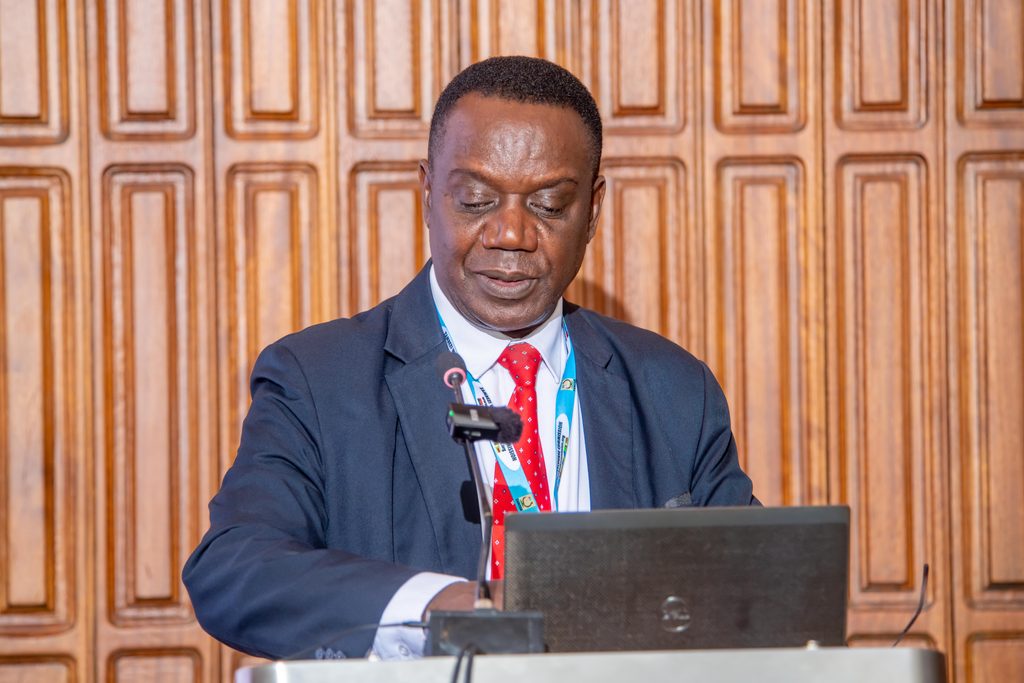
Mr Felix Ngamlagosi, ZAMCOM Executive Secretary, giving his remarks during the opening session of the regional workshop
ZAMCOM Executive Secretary Mr Felix Ngamlagosi highlighted both the shared nature of the challenges facing the basin and the importance of collective action. “The countries agreed that we must fight together, using the resources that are available,” he said. The Zambezi Basin supports approximately 51 million people and continues to face environmental degradation, recurrent droughts and devastating floods, underscoring the need for integrated, cross-border approaches to resilience.
The workshop also examined country-level priorities, proposed investment areas and implementation readiness. Technical discussions covered gender, land governance, youth empowerment, fragility and resilience, climate change and green growth, monitoring and evaluation, and institutional arrangements. The process is expected to move the programme from preparation towards appraisal, supported by national consultations to further identify priority projects and develop country-specific investment plans. Dr Garba noted, “The time has come to turn direct mobilisation into achievement on the ground, community resilience – food security, job creation for youth and women.”
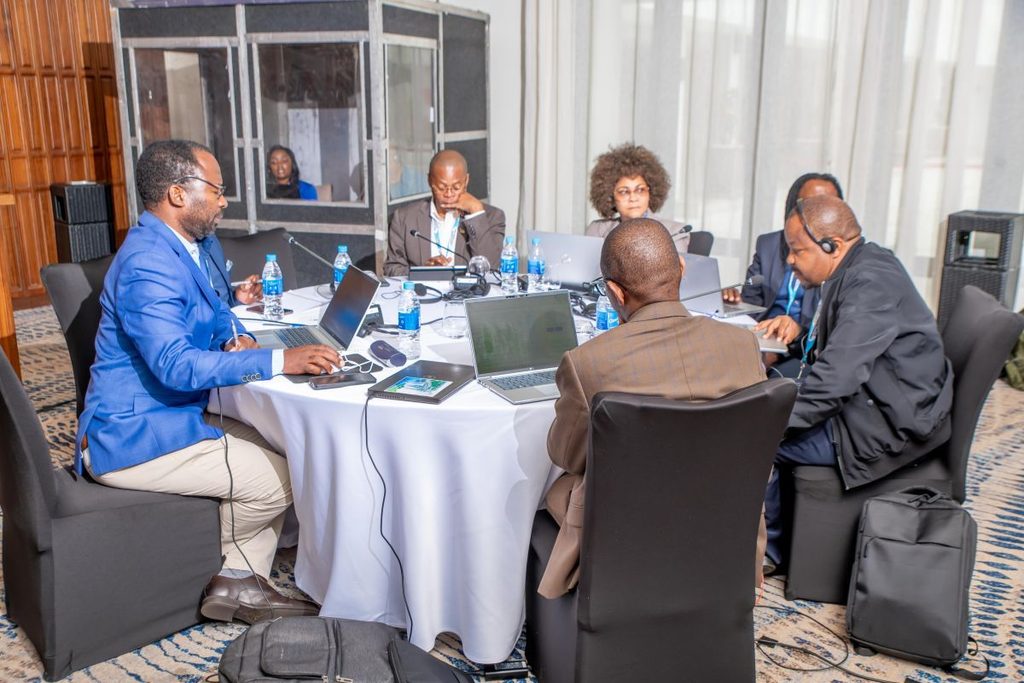
GWPSA was represented by Executive Secretary Andrew Takawira and Social and Governance Specialist Dr Pinimidzai Sithole. Its participation reflects the organisation’s commitment to advancing integrated approaches to water security, climate resilience, ecosystem restoration and sustainable development across Southern Africa. As BREFOLE-ZRB progresses towards appraisal and implementation, collaboration among ZAMCOM, AfDB, UNCCD, participating governments and regional partners provides a platform for translating shared basin priorities into coordinated investments that strengthen the resilience of communities, livelihoods and ecosystems across the Zambezi River Basin.