
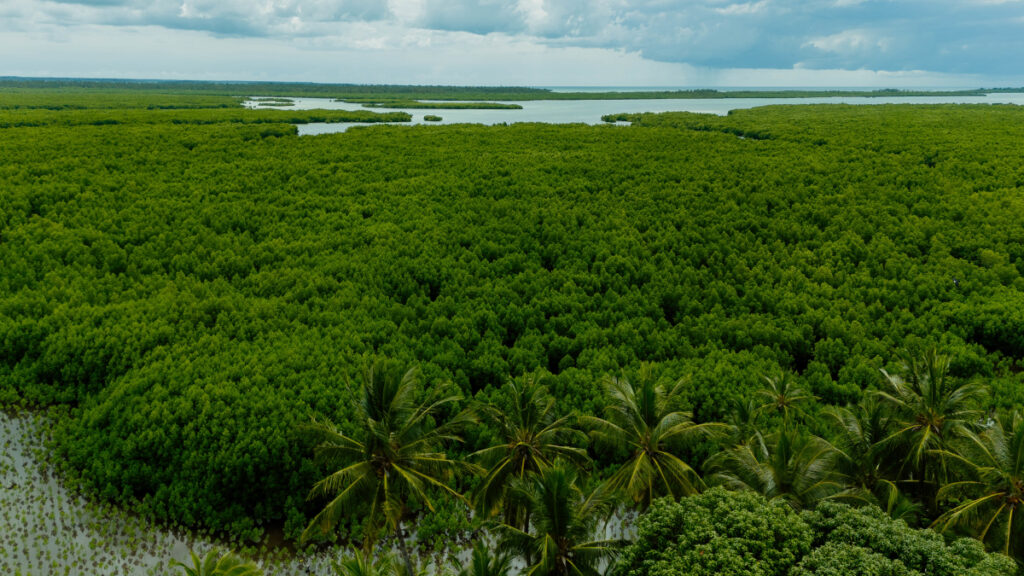
Inception Workshop Launches USD 7.12 Million GEF-Funded Source-to-Sea Initiative for Ecosystem Health and Livelihood Security
The Republic of Malawi, the Republic of Mozambique, and the United Republic of Tanzania are kickstarting the joint implementation of a landmark transboundary initiative aimed at strengthening integrated management of the Ruvuma River Basin and its connected coastal and marine ecosystems.
Valued at approximately USD 7.12 million and scheduled for implementation over 60 months through December 2030, the project, titled “Strengthening integrated transboundary source-to-sea management of the Ruvuma River Basin and its coastal zones to ensure ecosystem health and livelihood security”, is funded by the Global Environment Facility (GEF). It is led by the International Union for Conservation of Nature as the GEF Implementing Agency, in partnership with Global Water Partnership Southern Africa and Wetlands International as Executing Agencies.
The project adopts a comprehensive “source-to-sea” approach, recognising the interconnectedness of land, freshwater, coastal, and marine ecosystems. The initiative seeks to safeguard ecosystem integrity while strengthening climate resilience and promoting inclusive, sustainable livelihoods across the basin and its associated coastal zones.
Regional and national institutions in the three riparian states will play a central role in implementation. Transboundary coordination mechanisms will serve as focal custodians for basin-level governance and cooperation, ensuring that decision-making processes are collaborative, science-informed, and aligned across borders.

The river serves as a vital water source for communities, agriculture, and industries across the three member states, but despite its benefits, the basin faces several challenges that include a lack of comprehensive management plans, hampering the sustainable use and conservation of its resources. The basin is also increasingly vulnerable to the adversities of climate change, manifesting in unpredictable rainfall patterns and extreme weather events. Compounding these challenges is the scarcity of reliable data and the limited involvement of local stakeholders in decision-making processes.
The Ruvuma River Basin covers an area of approximately 155,000 km2, with the Mozambican territory covering 100,000 km2 (65%), Tanzania covering 52,000 km2 (~34%), while the remaining part is in Malawi, covering 2,500 km2 (<2%).
BACKGROUND
On January 8th, 2024, the Global Environmental Facility (GEF) approved the concept note (Project Identification Form (PIF) for the Strengthening integrated transboundary source-to-sea management of the Ruvuma River Basin and its coastal zones to ensure ecosystem health and livelihood security Project. The Project was approved under International Waters focal area.
The approval of the PIF was accompanied by the Project Preparation Grant (PPG) approval which marked the start of the 12-month journey to prepare a full-sized project. The project preparation was kicked through the recruitment of the PPG Consultant, Water, Environment and Beyond (WE&B) to support the preparation of the Project Document (ProDoc), CEO Endorsement Request, detailed budget and workplan, and relevant annexes related to environmental and social safeguards.
The Project design was launched at a stakeholder inception meeting held on 3-4 October 2024, in Dar es Salaam, Tanzania. The event was attended by delegates from the Government of Malawi, Mozambique and Tanzania, key partners, private sector, academia and media. This was followed by a series of stakeholder consultations across the Basin targeting Southern Coast Basin (Malawi), ARA Norte (Mozambique) and Ruvuma and Southern Coast (Tanzania) between November to December 2024. The validation workshop for the ProDoc was held in Lilongwe, Malawi, on 20th – 21st January 2025.
As a requirement, the Project was endorsed by GEF focal points in the Basin. The full-sized project was approved by the GEF in August 2025, with a total GEF grant of $7,122,018 and co-financing commitment from Member States partners of co-financing commitments totalling $ 65,490,480. The Project will be implemented for five years until 2030.
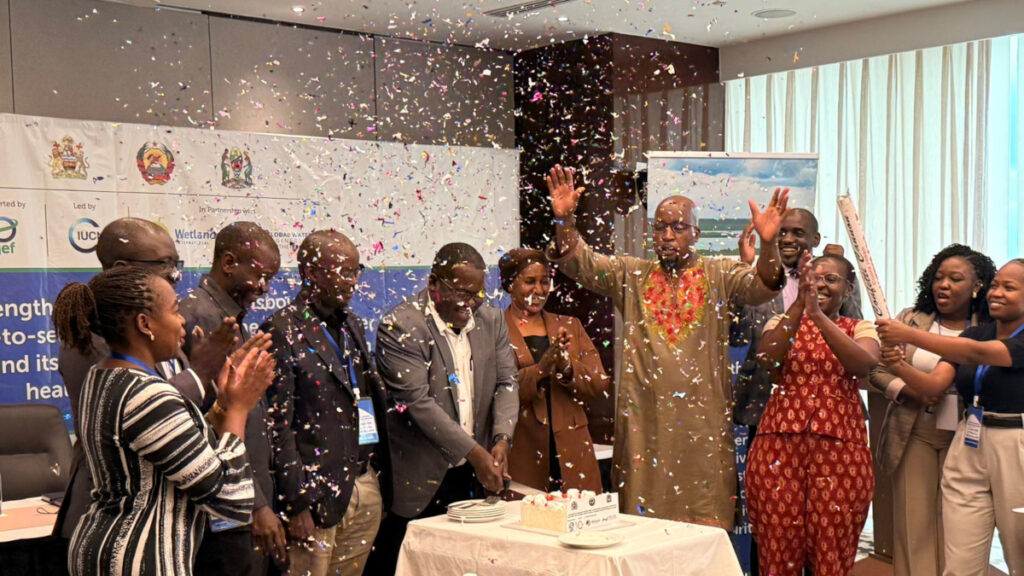
The inception workshop, that took place from 4 to 5 March 2026 in Tanzania, formally marked the start of project implementation. The workshop helped build a shared understanding of the project’s goals, objectives, and expected outcomes among stakeholders from all three countries.
Beyond introducing the project, the workshop helped foster ownership and alignment among member states, regional institutions, executing partners, and other key stakeholders. It provided an opportunity to clarify roles and responsibilities within the project’s governance and decision-making structures, including reporting lines, communication channels, and conflict resolution mechanisms.
Importantly, the terms of reference for the project and decision-making structures were revisited, as needed, to ensure clarity and accountability during implementation.
The inception workshop laid a strong foundation for coordinated long-term transboundary cooperation in the Ruvuma River Basin among the three member states.
The GEF Implementing Agency for the newly launched Ruvuma River Basin Project, the International Union for Conservation of Nature (IUCN) said it views the initiative as a transformative opportunity that not only restores landscapes and improves natural resources management and governance, but also strengthens livelihoods, and catalyses long-term investment.
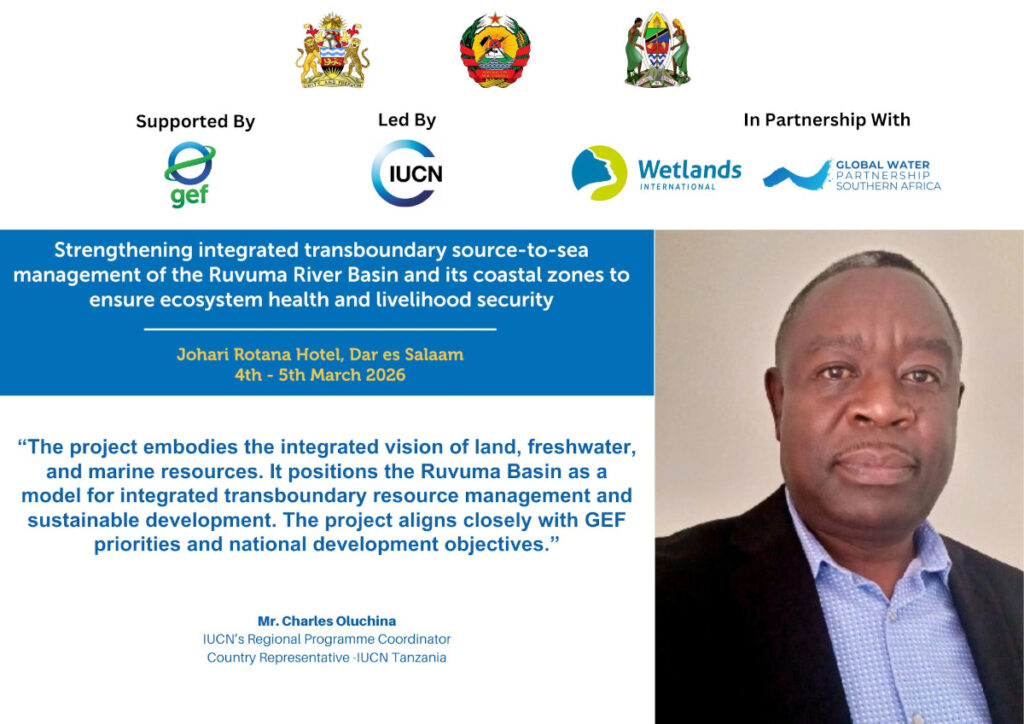
Speaking during the formal launch, Mr. Charles Oluchina, IUCN’s Regional Programme Coordinator & Country Representative for Tanzania, said the project will demonstrate how nature-based solutions can simultaneously conserve ecosystems, improve livelihoods, and build resilience to climate change.
Dr. Julie Mulonga, Director of the Wetlands International Eastern Africa, one of the executing agencies for the project, said her organization was committed to supporting the successful implementation of the project. Her organization’s focus will be on strengthening the conservation and sustainable management of wetlands and water systems within the broader landscape.

The United Republic of Tanzania reminded partners of the responsibility and opportunity that lie ahead. Stakeholders were urged to remain mindful of both the urgency and significance of the mission to transform challenges into opportunities that can deliver lasting impact for communities across the basin.
“Every decision we make and every action we take must be underpinned by a deep, shared commitment to positive change,” said Mr. Sudi Mpemba, Basin Director, Ruvuma and Southern Coast Basin.
Eng. James Chitete, Director of Water Resources in Malawi, and leader of the Malawi Delegation, said the Ruvuma River Basin Project would advance water resources management, safeguard ecosystems, improve livelihoods, and ensure that shared natural resources are managed in a way that benefits present and future generations.
“Malawi recognizes the strategic importance of the Ruvuma Basin, to which we contribute through rivers originating from the eastern parts of Mangochi and Machinga districts that drain into the basin. As such, Malawi remains fully committed to working closely with our sister states, Tanzania and Mozambique, as well as with our partners, including Global Water Partnership, Wetlands International, and other cooperating institutions,” he said.