Zambia was one of the five pilot countries in Africa to implement the AIP WACDEP-G which aimed to ensure that the preparation, development, governance and management of climate-resilient water investments and institutional development strategically advance gender equality. The project was implemented from 2020 to 2022.
Water security is key for Zambia’s sustainable and climate-resilient development. Water security is a critical factor for Zambia to achieve its developmental aspirations as outlined in Vision 2030 and other policy documents. However, assuring water security, particularly for the future is increasingly becoming a daunting task in the face of climate change and social inequalities such as gender imbalances.
Gender inequality in Zambia is a critical issue for ensuring sustainable and climate-resilient water security for all. The vulnerability of women and girls in Zambia is largely attributed to harmful practices embedded within traditions, cultural norms, and other practices.
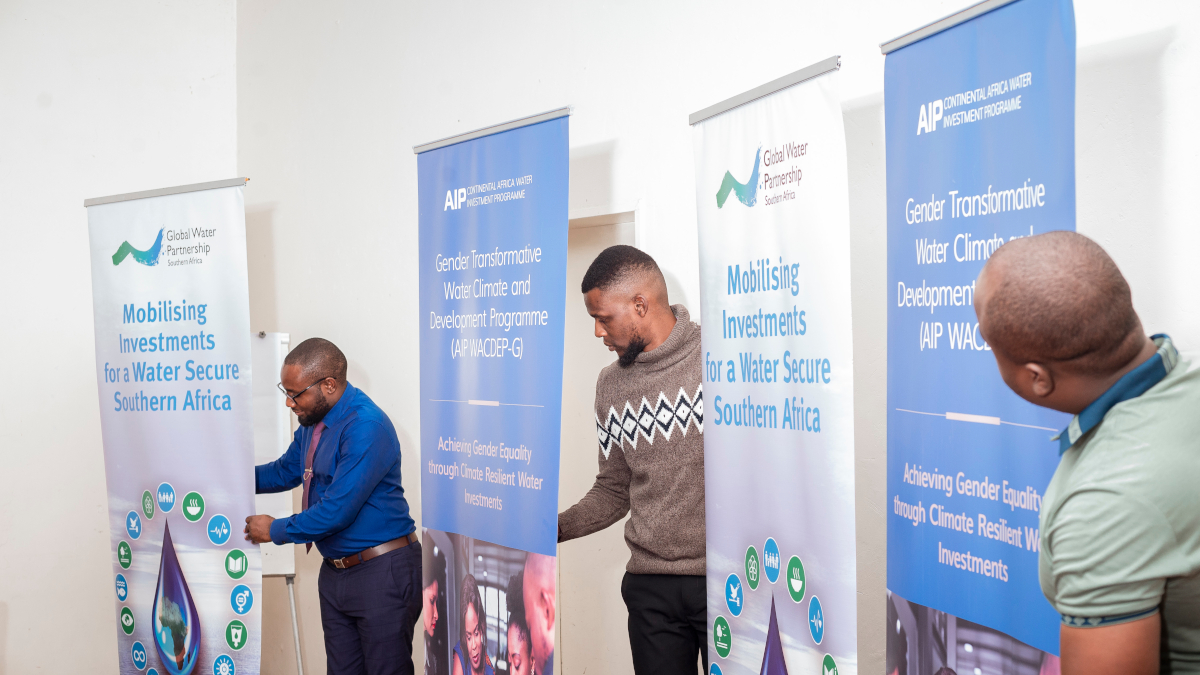
Addressing the gender inequality issues required change at systems level to ensure that the fast-growing initiatives and investments in water security and climate resilience are socially sustainable. Addressing this challenge – and building sustainable climate resilience for all – requires transforming societies through policies and actions that promote a gender transformative approach.
The goal of the AIP WACDEP-G programme was to ensure that the preparation, development, design, governance, and management of ongoing and new climate resilient water infrastructure investments, institutions, and job creation interventions strategically advanced gender equality.
The overall objective was to transform gender inequalities at scale by promoting gender-transformative planning, decision-making and institutional development for climate-resilient water investments in Africa.
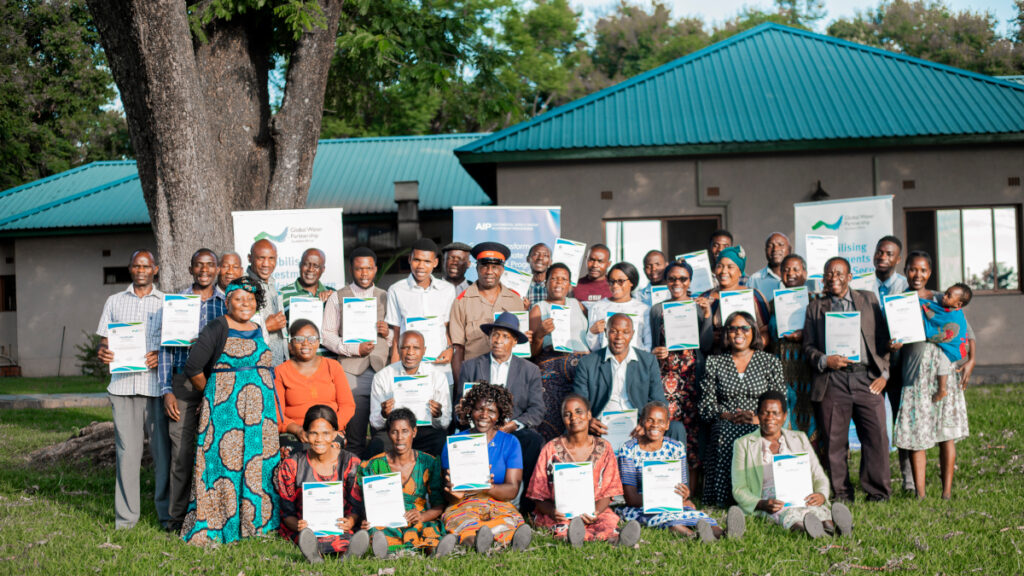
Milestones of WACDEP-G in Zambia
- Conducted a political economy analysis of the interlinkages of water, climate, gender and development at a national scale.
- Developed a common gender-transformative vision for the implementation of Climate Resilient Water Investment Policies in partnership with key ministries at the national-level. A draft document is available and considering feedback from stakeholders.
- Supported national-level institutions to generate gender-transformative policies for achieving gender equality through climate-resilient development of water Infrastructure. Given feedback on the policies currently being worked on – National Gender Policy, National Water Policy and National Environment Policy.
- Fostered the preparation of gender transformative National Adaptation Plans (NAPs) and Nationally Determined Contributions (NDCs) in collaboration with mandated institutions.
- Mapped the existing gender-relevant institutional norms, systemic barriers, practices and power imbalances in planning and implementation of climate resilient water investment projects in Zambia – report is available.
- Convened a policy dialogue and stakeholder engagement on gender equality in climate resilient water security in Zambia and participants included those from government ministries and agencies, cooperating partners, civil society organisations among others.
- Supported the Gender Division under the office of the President in finalizing the Gender Responsive Planning and Budgeting guidelines which will form part of the Gender Mainstreaming Toolkit.
- Provided technical support to women organisations and networks on gender transformation and how to access and use and access climate information systems for early warning and disaster preparedness.
- Supported the GCCA + WEF Nexus demonstration project in conducting a gender analysis, training needs assessment and baseline study.
- Developed guidelines for gender transformative climate resilient water security investments in Zambia and these are being finalized for external review.
- Supported the Ministry of Water Development and Sanitation in the development of the Zambia Water Investment Programme and its subsequent launch.