
Financing Partner: Global Environment Facility (GEF)
Implementing Agency: The International Union for Conservation of Nature (IUCN)
Executing Agency: Global Water Partnership Southern Africa (GWPSA) and Wetlands International (WI)
Duration: 2026 to 2030 (60 months)
Project Value: USD 7.12 million
Geographical Location: Mozambique, Malawi and Tanzania
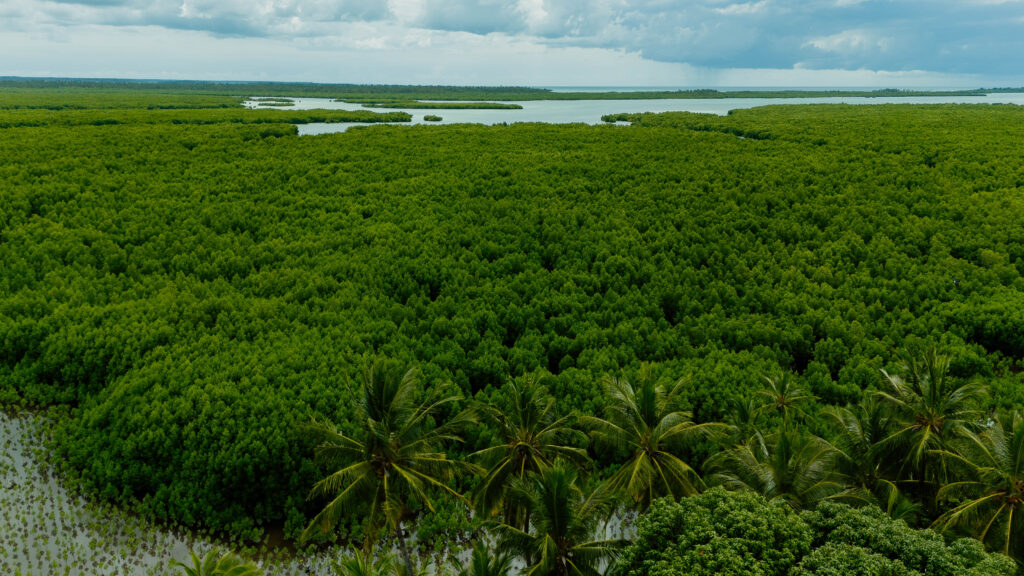
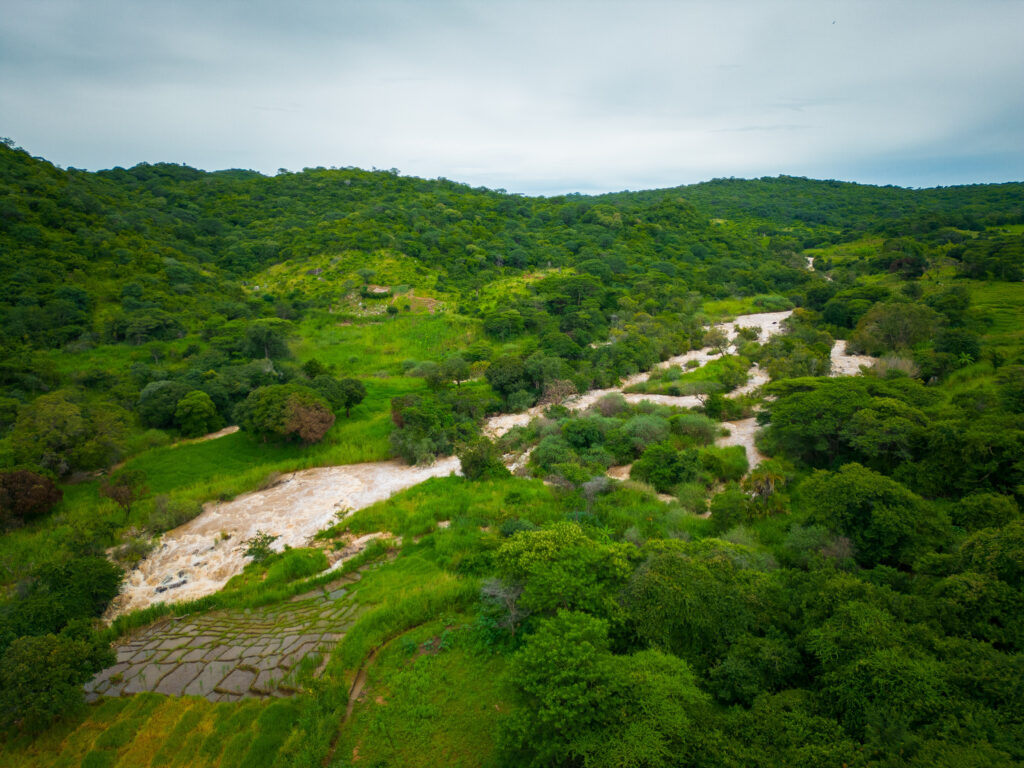
The Ruvuma River Basin is a strategically important transboundary basin shared by Malawi, Mozambique and Tanzania. Covering approximately 155,000 km², the basin stretches from the highlands of southern Tanzania and northern Malawi to the Indian Ocean along the Mozambique coastline.
The basin supports millions of people through water supply, agriculture, fisheries, livestock production, hydropower potential, biodiversity conservation, tourism and other ecosystem services. It also provides critical ecological connections between inland freshwater systems and downstream coastal and marine environments.
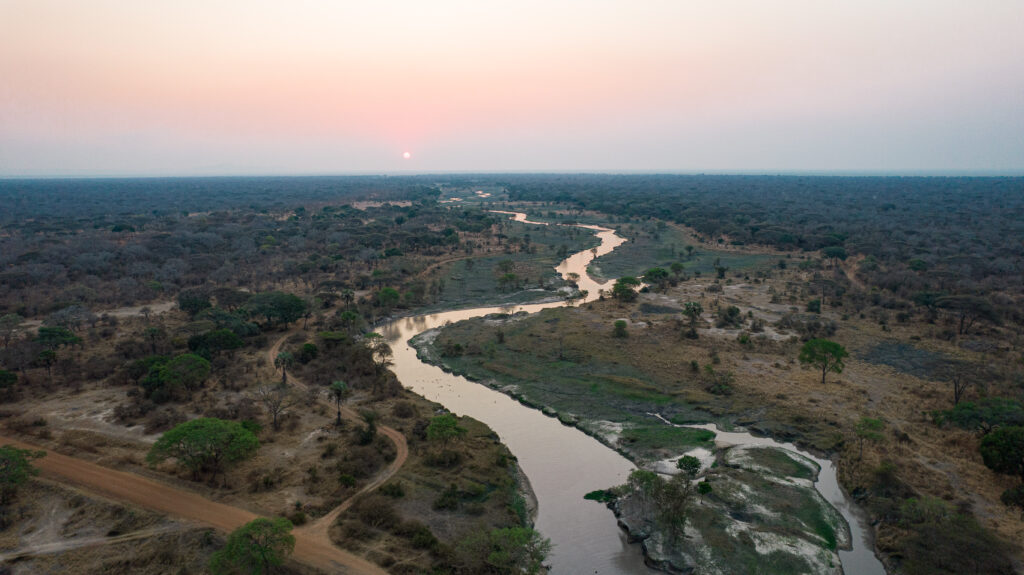
However, the basin is increasingly facing complex environmental and socio-economic challenges, including:
These challenges transcend national boundaries and require coordinated regional action to safe guard the basin’s natural resources and the livelihoods that depend on them.
Project Objectives
Strengthen transboundary cooperation and governance among Malawi, Mozambique and Tanzania.
Promote integrated source to sea management of the Ruvuma River Basin and its coastal and marine ecosystems.
Improve ecosystem health and climate resilience through sustainable natural resource management.
Strengthen knowledge, monitoring and information sharing to support evidence based decision making.
Enhance stakeholder participation and sustainable livelihoods by engaging communities, women, youth and other key stakeholders.
Project Components
The project intervention logic is structured around five main components:
Component 1 – Strengthening institutional frameworks for transboundary basin and coastal zone management
Component 2 – Facilitating basin and coastal zone management through science-based decision making
Component 3 – Supporting strategic investment planning and resource mobilisation for integrated basin and coastal management
Component 4 – Promoting integrated sustainable land and water management through effective community-based stakeholder engagement
Component 5 – Ensuring effective project and knowledge management
Expected Results
By 2030, the project is expected to achieve:
Strengthened transboundary cooperation – Enhanced collaboration and governance among Malawi, Mozambique, and Tanzania for sustainable basin and coastal management.
Healthier ecosystems – Improved protection and restoration of freshwater, coastal, and marine ecosystems, with enhanced biodiversity conservation.
Greater climate resilience – Increased resilience of ecosystems and communities to climate change and extreme weather events.
Improved knowledge and decision making – Stronger basin monitoring systems and increased use of scientific data to support evidence based planning.
Inclusive stakeholder engagement – Greater participation of communities, women, youth, civil society, and the private sector in basin governance.
Sustainable livelihoods – Improved livelihood opportunities through sustainable land and water management practices.
Activities
The relevant activities that the project aims to implement include implementing sustainable water and land-use practices, reforestation initiatives, conservation agriculture, climate-smart solutions, sustainable livelihoods and eco-tourism initiatives, flood control and disaster preparedness, community awareness and policy harmonisation.
A focus on a source to sea approach, gender equality and the inclusion of vulnerable groups ensures equitable resource management and benefits for all stakeholders.
Project Milestones
2024 Project Identification Form (PIF) approved by GEF
2024–2025 Project preparation, stakeholder consultations and project design
January 2025 Project Document (ProDoc) validated by Member States
August 2025 Full-sized project approved by GEF
March 2026 Official project launch and inception workshop in Dar es Salaam, Tanzania
2026–2030 Project implementation
December 2030 Project completion
Contacts:
- Teresa Chirwa-Ndanga, Head of Communications, Global Water Partnership Southern Africa: teresa.chirwa-ndanga@gwpsaf.org
- Priscilla Kagwa, Communications Officer, Wetlands International Eastern Africa: pkagwa@wetlands-eafrica.org