
Financing Partner: Global Environment Facility (GEF)
Implementing Agency: United Nations Development Programme (UNDP)
Executing Agency: Global Water Partnership Southern Africa (GWPSA)
Duration: 2025 to 2030 (72 months)
Project Value: USD 7.1 million
Geographical Location: Eswatini, South Africa and Mozambique
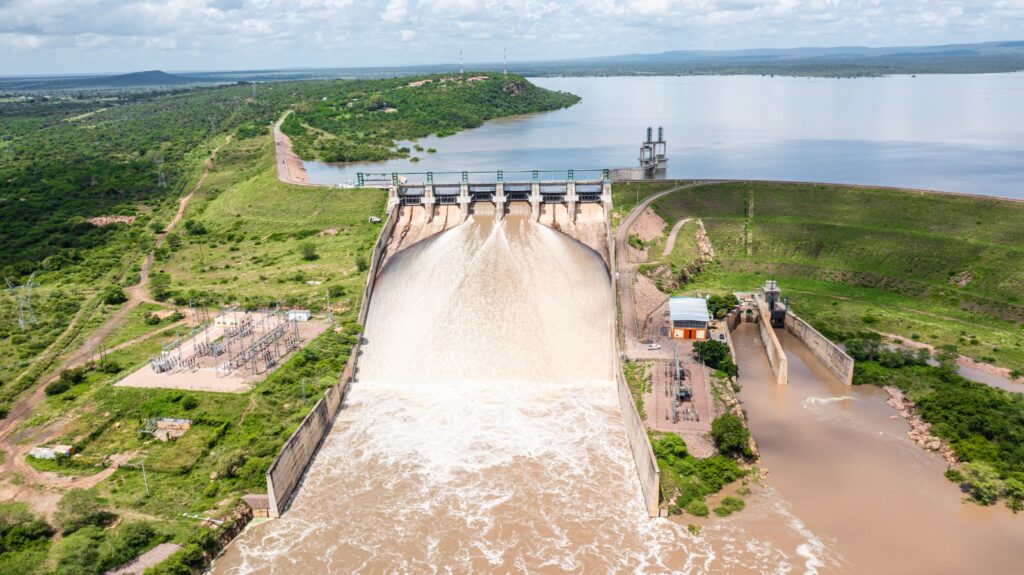
The Incomati and Maputo River Basins form one of Southern Africa’s most ecologically and economically significant transboundary water systems. Shared by Eswatini, Mozambique and South Africa, the two adjoining basins cover more than 76,000 km² and support approximately 3.4 million people. Agriculture is the dominant economic activity across the two basins, alongside forestry, tourism, mining, manufacturing and fisheries. These sectors depend heavily on reliable water resources, making coordinated transboundary water management essential for sustainable economic growth.
The 450-kilometre Incomati River rises in the highlands of South Africa before flowing through Eswatini into Mozambique, where it discharges into Maputo Bay. The adjoining Maputo River Basin also originates in South Africa before flowing through Eswatini and Mozambique into the ecologically rich Maputo Bay, home to estuarine, mangrove and marine ecosystems that support biodiversity and coastal livelihoods.
The project area also includes the Lubombo Transfrontier Conservation Area (TFCA), one of Africa’s most important transboundary conservation landscapes. The TFCA links protected areas across the three countries, including Kruger National Park, Maputo National Park and the Ponta do Ouro–Kosi Bay Marine Transfrontier Conservation Area, helping conserve globally significant biodiversity while supporting tourism and sustainable development.
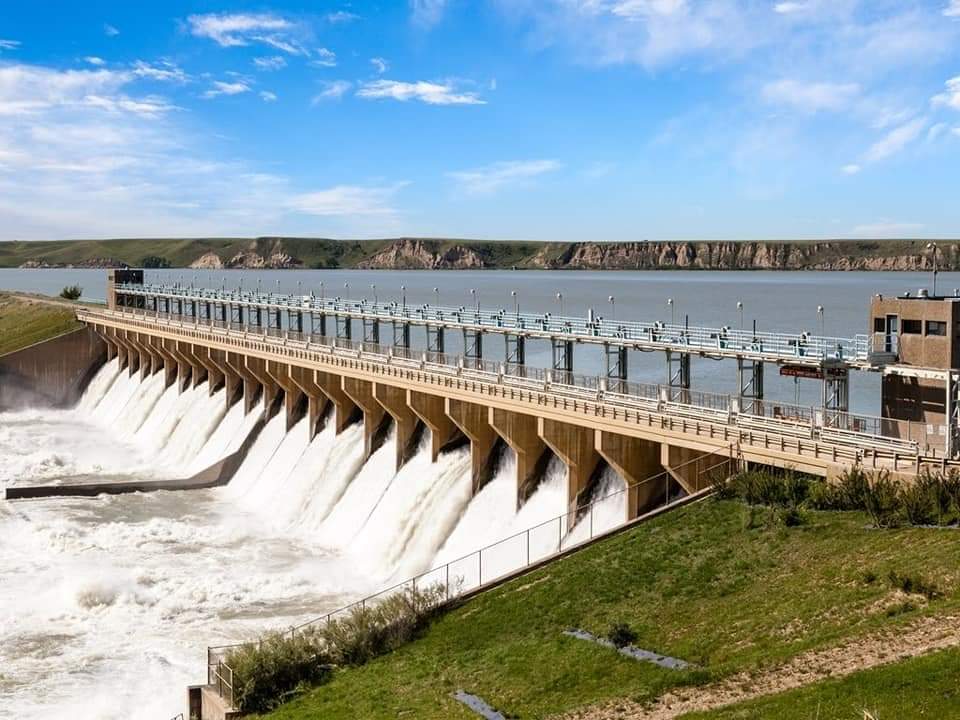
The Incomati and Maputo River Basins face increasing pressure from climate change, growing water demand, land degradation, pollution, biodiversity loss and changing river flows. Extreme weather events, including floods, droughts and tropical cyclones, continue to threaten ecosystems, infrastructure, food security and livelihoods across the region. These challenges require coordinated action across national boundaries to strengthen resilience, protect shared ecosystems and ensure sustainable water management.
The project responds to these challenges by promoting an integrated source-to-sea approach, recognising the interconnections between upland catchments, rivers, wetlands, groundwater, estuaries, coastal areas and marine ecosystems. By strengthening governance, improving scientific knowledge, supporting strategic investments and empowering local communities, the project contributes to long-term water security and sustainable development across the basin.
The project also builds on more than four decades of transboundary cooperation among Eswatini, Mozambique and South Africa. This includes the establishment of the Tripartite Permanent Technical Committee (1983), the Interim IncoMaputo Agreement (2002) and the creation of INMACOM in 2021, providing a strong institutional foundation for collaborative management of the shared river basins.
Project Objectives
Strengthen regional cooperation and transboundary water governance.
Improve ecosystem health and climate resilience across the river basins.
Support science based planning and decision making.
Promote sustainable livelihoods through community based interventions.
Strengthen knowledge management and regional learning.
Project Components
The project intervention logic is structured around five main components:
Component 1 – Strengthening regional governance frameworks / transboundary basin Management.
Component 2 – Facilitating a knowledge based approach for source-to-sea management.
Component 3 – Support basin wide and coastal zone strategic planning and investment mobilisation.
Component 4 – Creating sustainable livelihoods through enhancing water, food, energy and environmental security.
Component 5 – Knowledge generation, communication, and dissemination.
Expected Results
By 2030, the project is expected to achieve:
Strengthened transboundary cooperation through enhanced regional governance and institutional collaboration.
Healthier river basin and coastal ecosystems with improved biodiversity conservation and ecosystem resilience.
Improved science based decision making supported by stronger monitoring systems and knowledge sharing.
Greater climate resilience for ecosystems and vulnerable communities.
Sustainable livelihoods and inclusive participation through community driven initiatives that promote gender equality and social inclusion.
Gender Equality and Social Inclusion
Gender equality and social inclusion are central to the project’s design and implementation. The project promotes the meaningful participation of women, youth and marginalised groups through gender responsive policies, inclusive stakeholder engagement, improved data collection and community based livelihood initiatives that ensure equitable access to project benefits.
Read more about the INMACOM Project