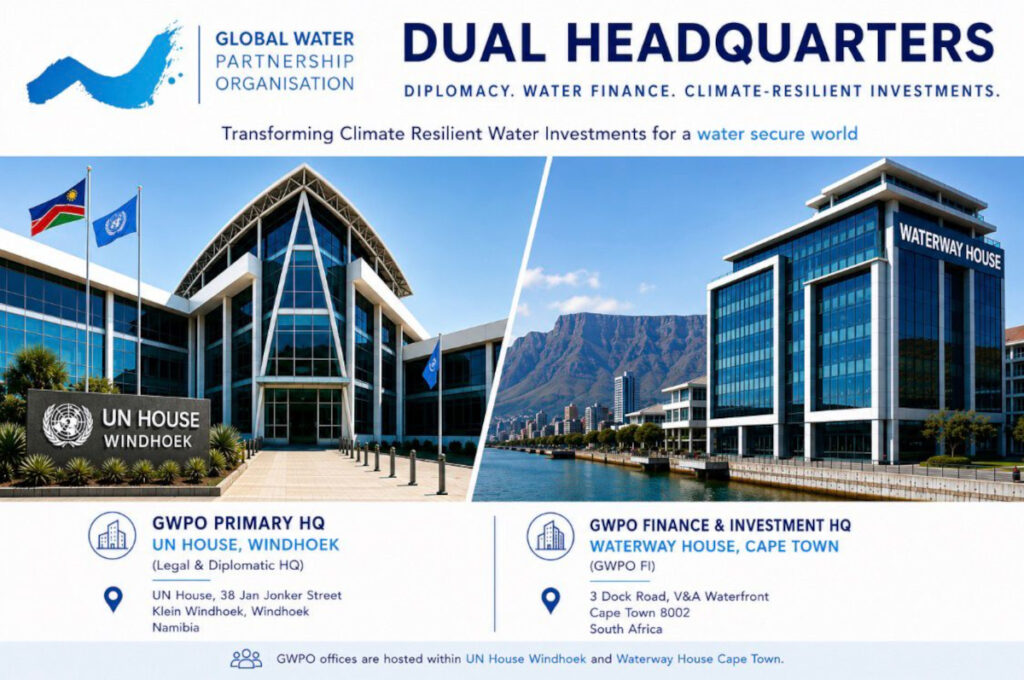
After three decades hosted by Sweden, the Global Water Partnership Organisation (GWPO) is entering a new chapter. On 23 May 2026, GWPO officially opens its dual headquarters – its primary first Headquarters and Legal Seat located within UN House in Windhoek, Namibia, and its second complimentary Water Finance Investment HQ (GWPO-FI) located within Waterway House in Cape Town, South Africa.
This transition marks far more than a change of address. GWP is repositioning itself closer to the realities and opportunities shaping the future of global water security – at the heart of the world’s most water-stressed continent and at the centre of a growing movement for water investment transformation.
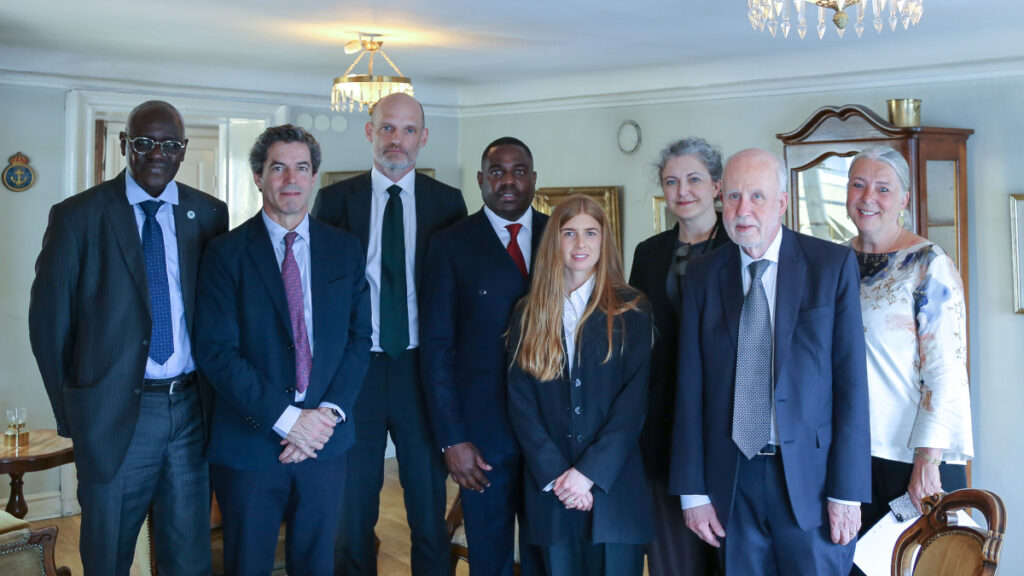
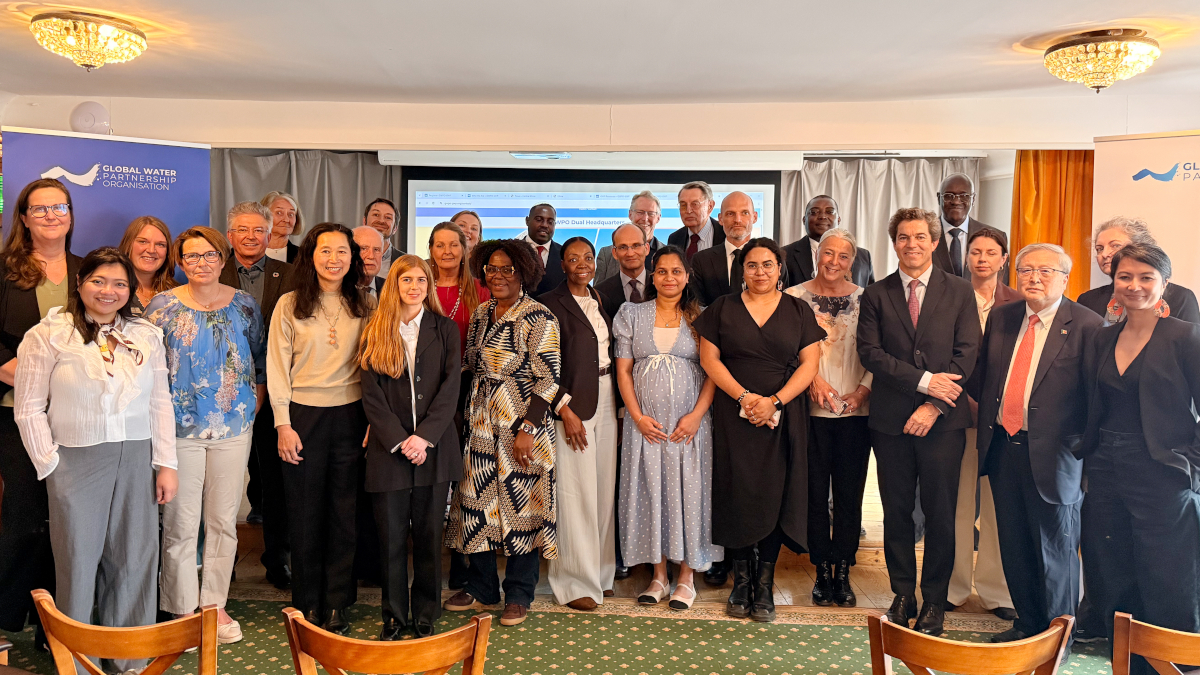
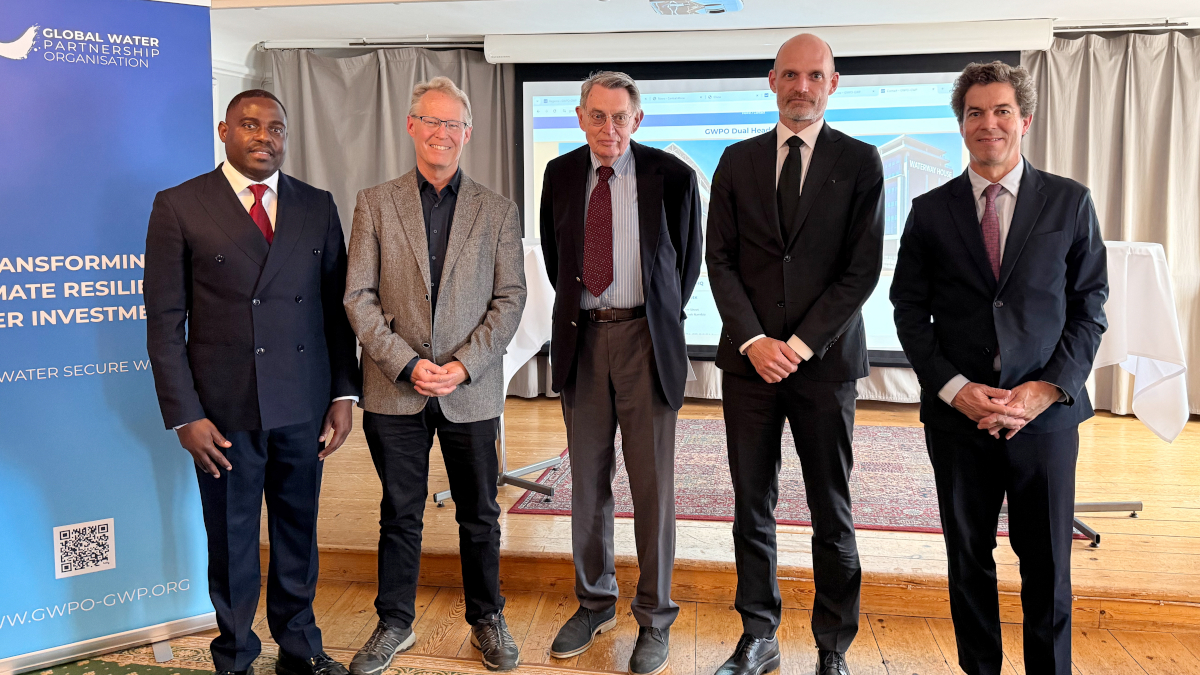
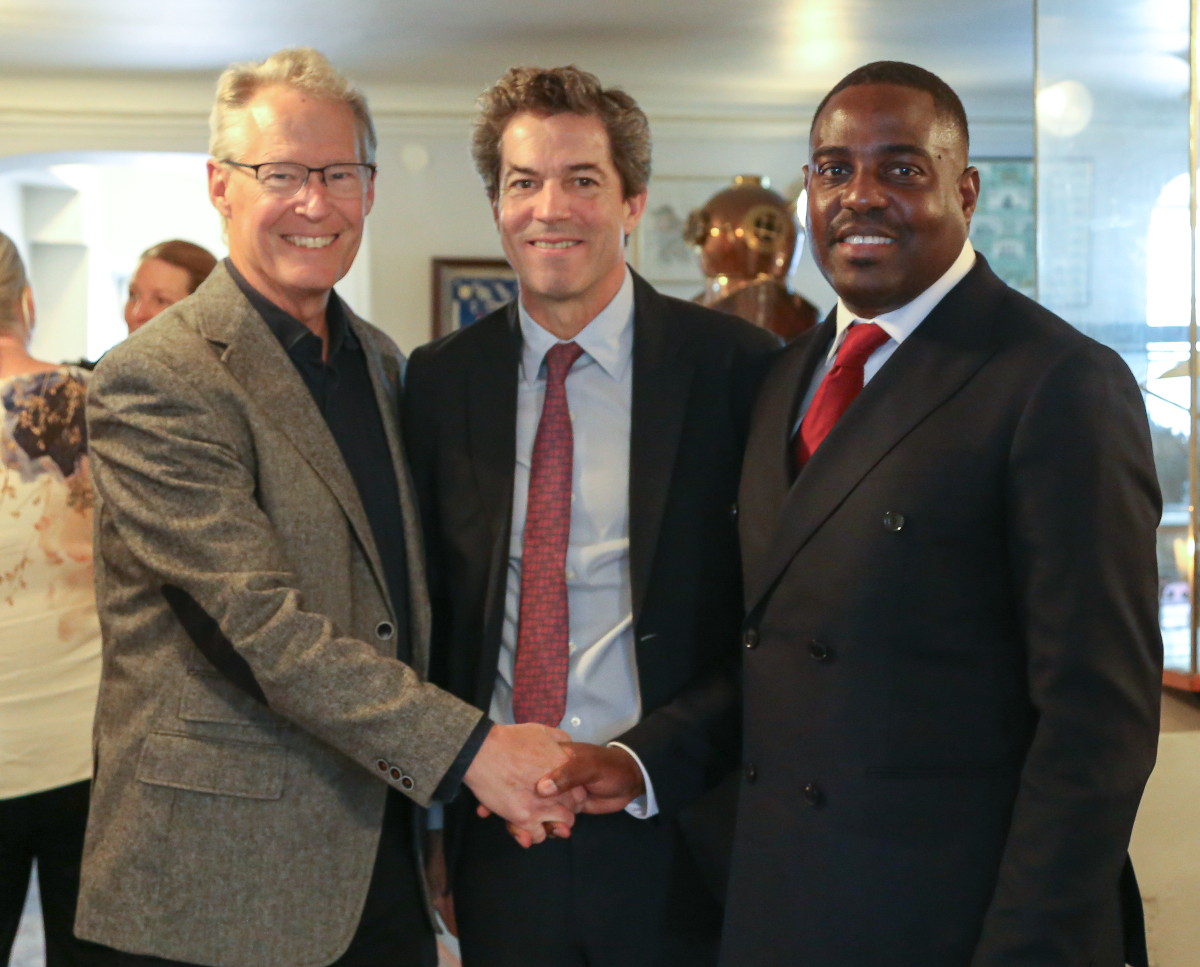
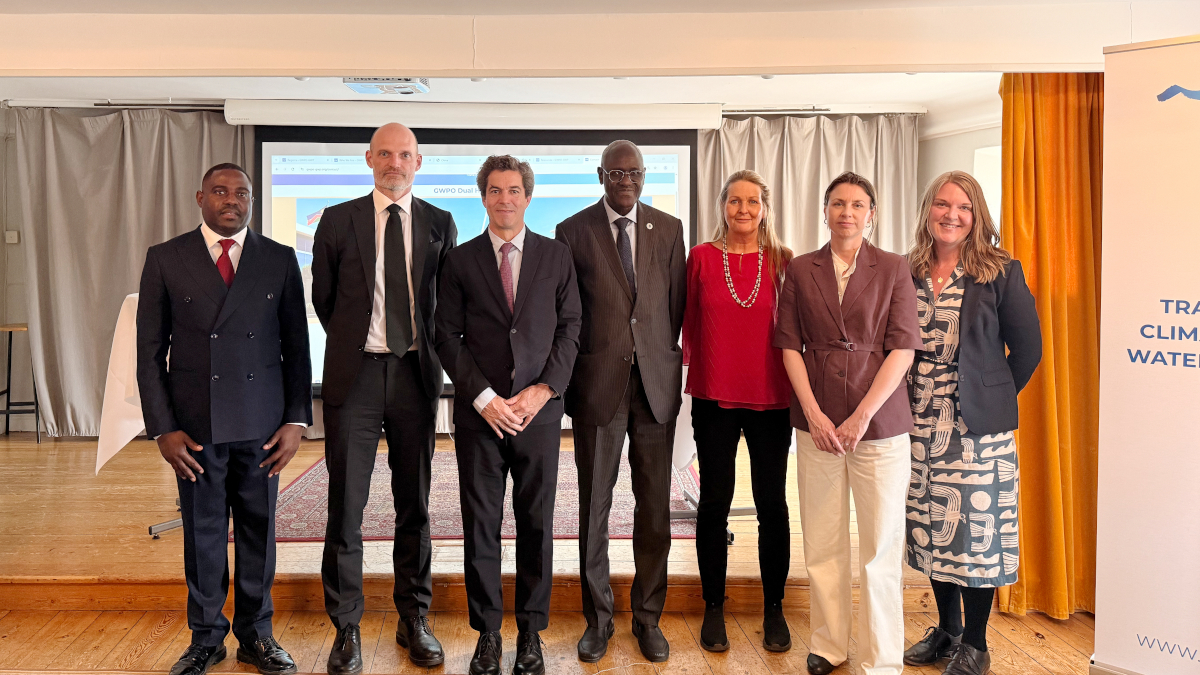
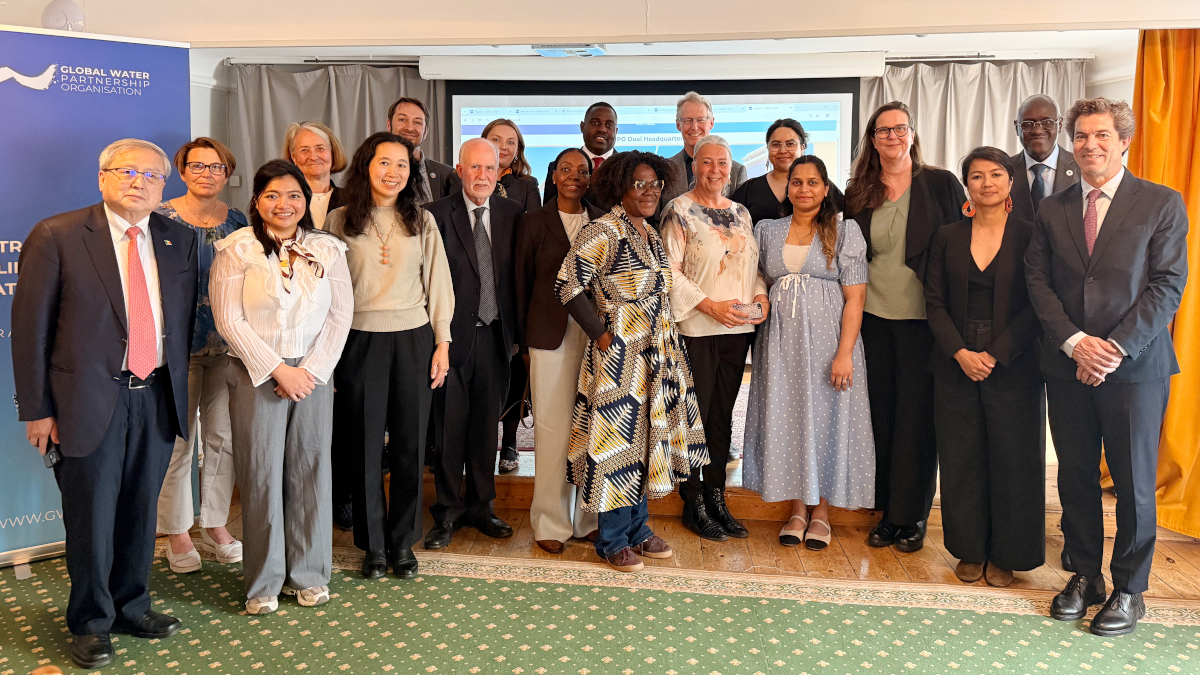
To mark this historic milestone and to thank its current host – Sweden, GWPO convened a celebratory event in Stockholm on 19 May “Friends of GWP Event: Celebrating 30 years of global impact & ushering a new era of water investment transformation” – bringing together partners, governments, ambassadors, and long-time supporters to honour and reflect on what has been built, and to look squarely at what comes next.
A Global Asset Built on Trust
Hon. Pablo Bereciartua, Minister of Infrastructure, Buenos Aires, Argentina & Chair, GWP, opened the afternoon by stressing what makes this organisation genuinely rare.
“What we have here is not about physical assets,” he said. “It is about something much, much harder to create – a global identity.” He described GWP as an organisation that is “not really being led from above but somehow being led from right next to you. It is a flat organisation built on trust.”
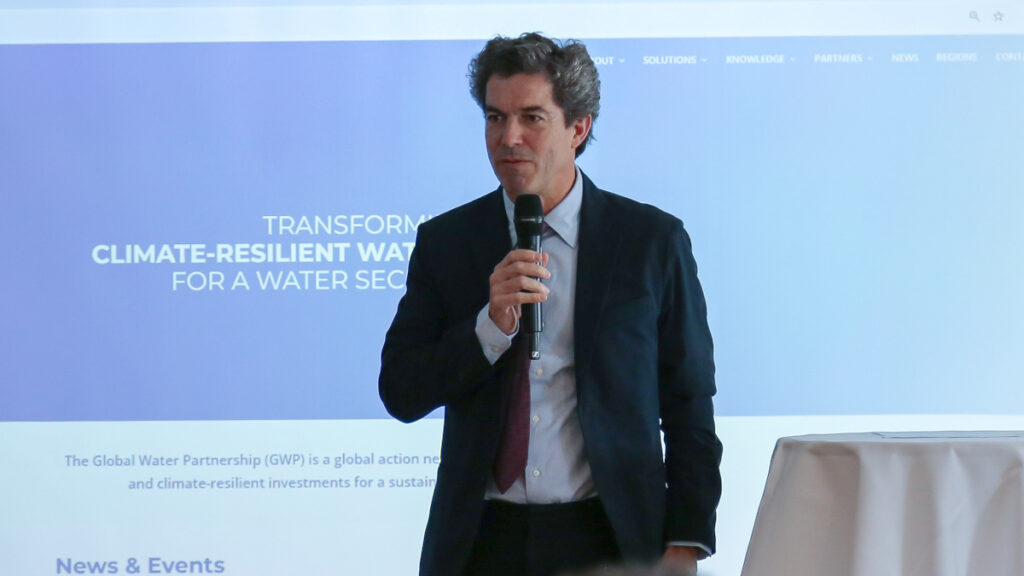
Mr. Per Bertilsson, Senior Advisor, GWPO, reflected on the impact GWP has had over the past three decades — from helping establish integrated approaches to water governance to building one of the world’s largest multi-stakeholder water networks.
“If I look at GWP’s impact over the last 30 years, the first thing on that list is mainstreaming integrated water resources management. What began as an approach has become embedded in countries around the world — and that has helped shape how water is governed today,” he said.
Per also pointed to the conclusions of a recent independent external evaluation of GWP’s 2020–2025 Strategy, conducted by NIRAS Sweden AB on behalf of the Swedish International Development Cooperation Agency (Sida), which found that “GWP occupies a distinctive, unique position within the global water governance landscape that is difficult to replicate.”
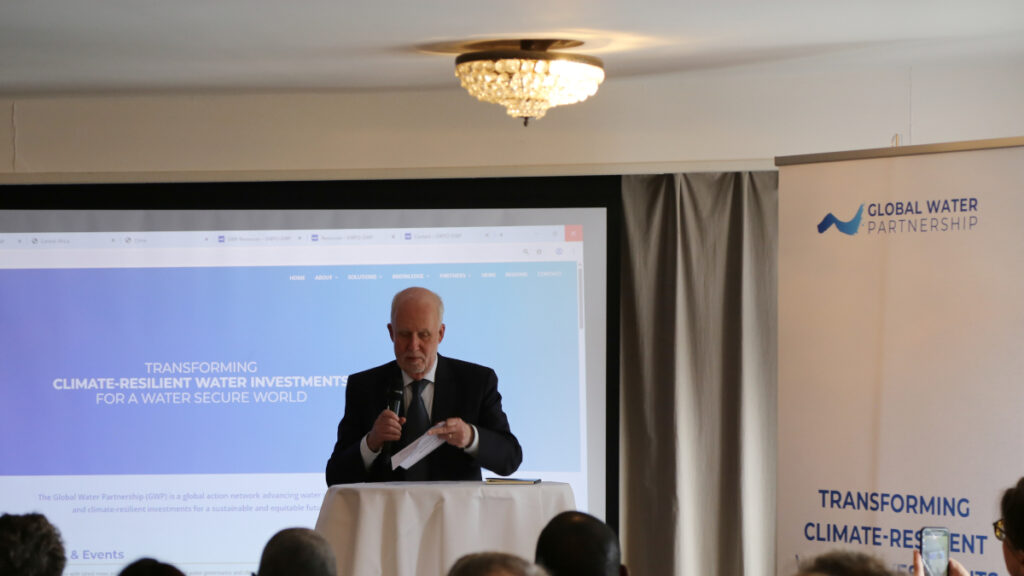
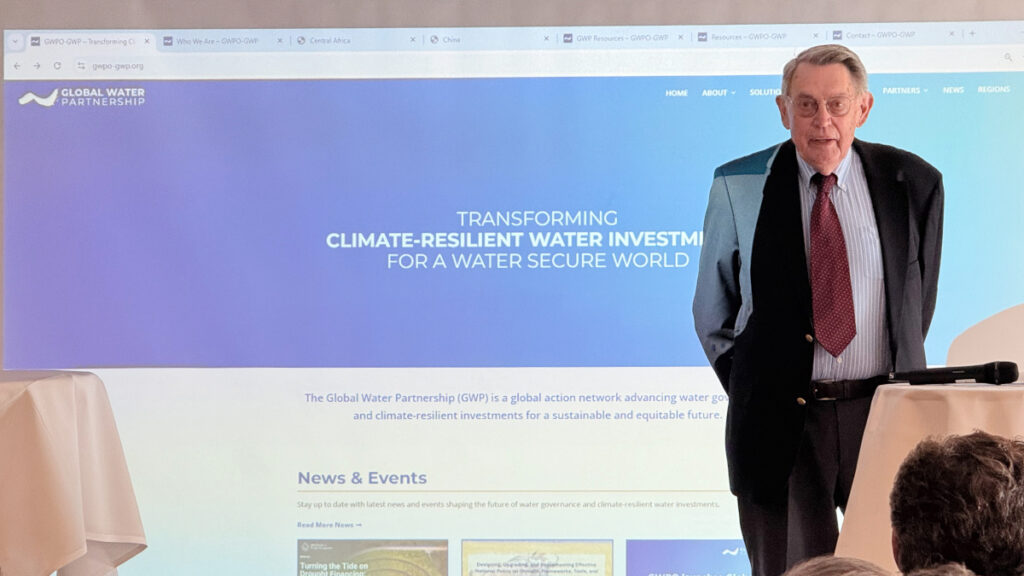
Mr. Johan Holmberg, the Founding Executive Secretary of GWPO, brought the room back to 1995 and the question of where responsibility for water resources actually sat within the international system. Rather than to create another traditional international institution, he reflected, GWP emerged as a new model designed to strengthen coordination while remaining agile and collaborative.
Sweden’s Legacy, and a Warm Handover
The celebration was also an opportunity to recognise Sweden’s extraordinary role in hosting GWPO for three decades and helping shape the organisation that exists today.
Mr. Tobias Axerup, Deputy Director General at Sweden’s Ministry of Foreign Affairs, spoke of a partnership that had helped transform not just the water sector, but the broader language of international development – from aid, to cooperation, to investment and partnership.
“GWP really continues to stand as a unique global network,” he said. “We warmly welcome the transition of the Secretariat’s new primary headquarters to Windhoek, Namibia.”
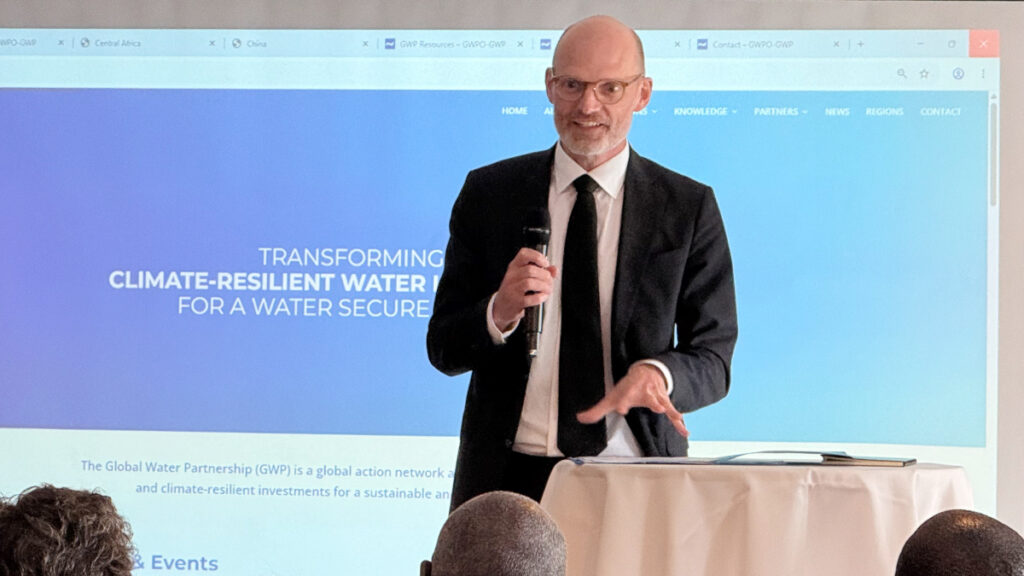
Dr. Jakob Granit, Director General at Sweden’s Ministry for Foreign Affairs and former Director General of Sida, reflected on the early years of GWP and its role in strengthening cooperation across Southern Africa and beyond. Looking back on decades of engagement, he described GWP as having created “something special — a very strong community of practice” that helped establish water as central to development, governance and investment. He also welcomed Namibia and South Africa stepping into leadership roles for the next phase of GWP’s journey.
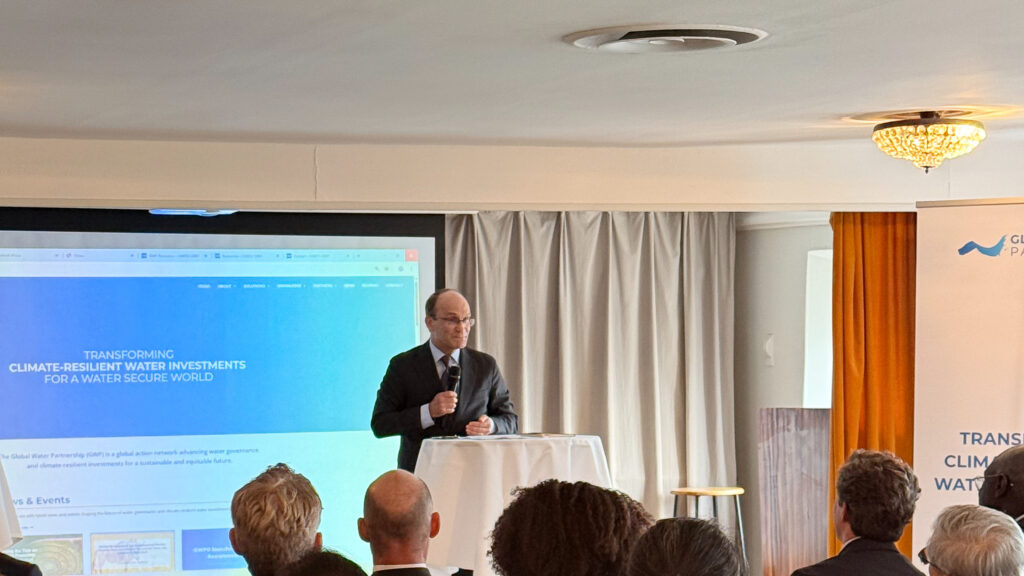
Ms. Line Vikström Rosvall, Head of Department on International Organisations and Policy Support at Sida, was equally supportive. She reflected on the long-standing partnership between Sida and GWP and the role it has played, alongside other financing partners, in shaping international water cooperation.
“The partnership between GWP, Sida, and GWP’s other financing partners has helped shape international water cooperation for an entire generation. And that is quite a legacy.”
GWP’s History with Namibia
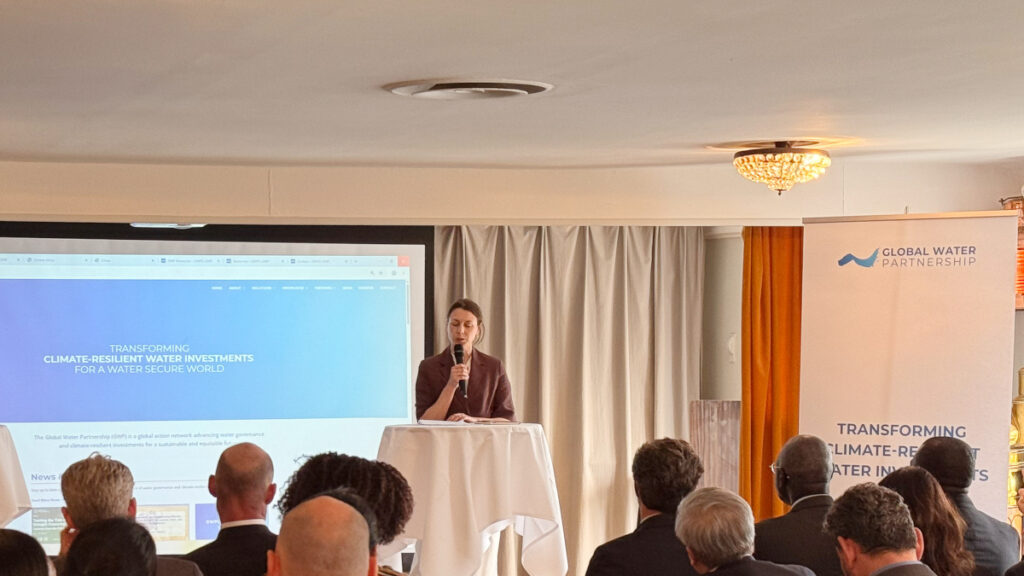
When Mr. Alex Simalabwi, CEO of GWPO and Executive Secretary of GWP, described how Namibia came to be chosen as GWPO’s new home, he reflected on an unexpected historical connection. The very first regional meeting of GWP outside Stockholm – back in 1997, just a year after the organisation’s founding – was held in Windhoek. Namibia had always been part of this story. Now, it steps fully into it.
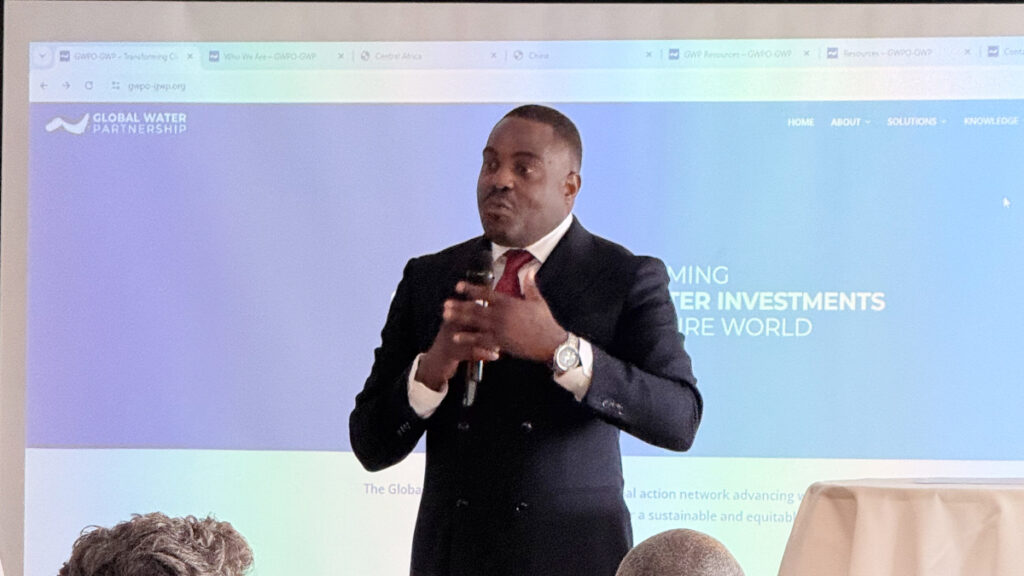
The move also reflects a deliberate shift toward a water investment transformation-centred architecture – placing leadership and decision-making closer to regions where water challenges, investment opportunities, and transformation needs are most acute. Rather than a relocation alone, the transition forms part of GWPO’s broader Global Transformation Agenda and ambition to reshape how global water partnerships support climate resilience and investment at scale.
Mr. Bornface Sinvula, Chargé d’affaires a.i., Embassy of Namibia in Stockholm, delivered a statement on behalf of H.E. Sophia Kakena Kauna Nangula, Ambassador of Namibia to Sweden, Norway, Denmark, Iceland, that captured what this means for a country that does not take water for granted.
“Namibia is a nation that knows first-hand the value of every drop of water,” he said. “The country is therefore honoured beyond measure to host an organisation of such global stature and significance.”
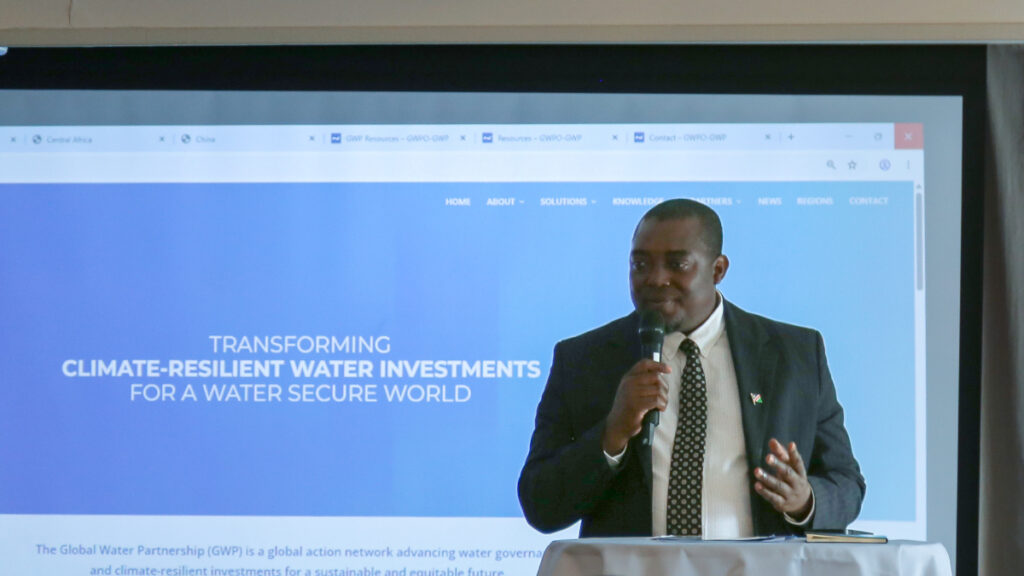
Mr. Abdoulaye Sene, Chair of GWP’s Regional Chairs, widened the lens further. Across regions – West Africa, the Caribbean, the Middle East – the work of translating global water principles into local action is the real test.
“Make this moment not only a celebration of the past,” he urged, “but the starting point of a stronger, more united, more connected and more determined partnership.”
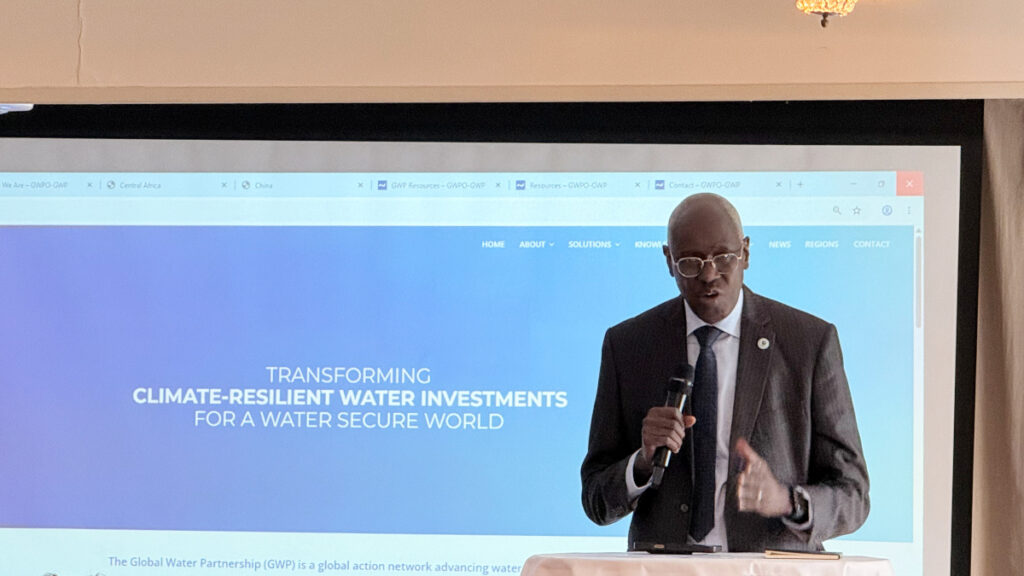
Mr. Joakim Harlin, Chief Manager of the UNEP-DHI Partnership Centre and longstanding GWP Partner, reflected on GWP’s long journey alongside global water processes and noted how ideas once considered ambitious had gradually become part of mainstream international practice. Looking toward the future, he offered a personal reflection:
“Now the child is actually an adult — 30 years old.”
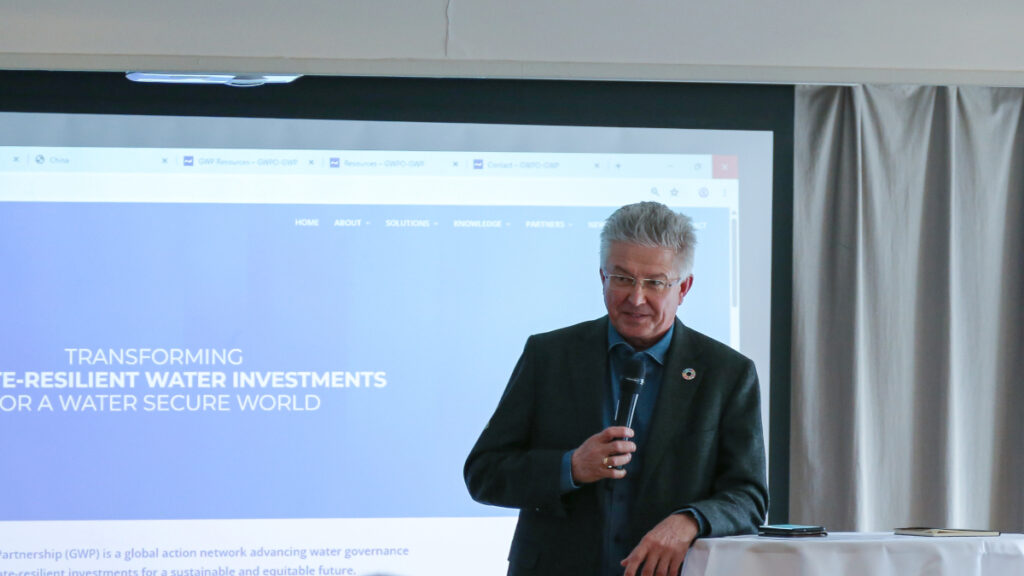
As GWP enters its next chapter, he said, its move closer to the Global South felt both timely and encouraging.
The significance of this handover was also reflected in the engagements surrounding the celebration itself. Ahead of the event, a GWPO delegation met with senior officials at Sweden’s Ministry for Foreign Affairs to express appreciation for Sweden’s three decades of hosting GWP and for the commitment, leadership, and support that helped shape the organisation’s journey. Ministry representatives congratulated GWP on its transition to Namibia and South Africa, expressed confidence in the organisation’s next chapter, and reaffirmed their interest in continued collaboration in the years ahead.
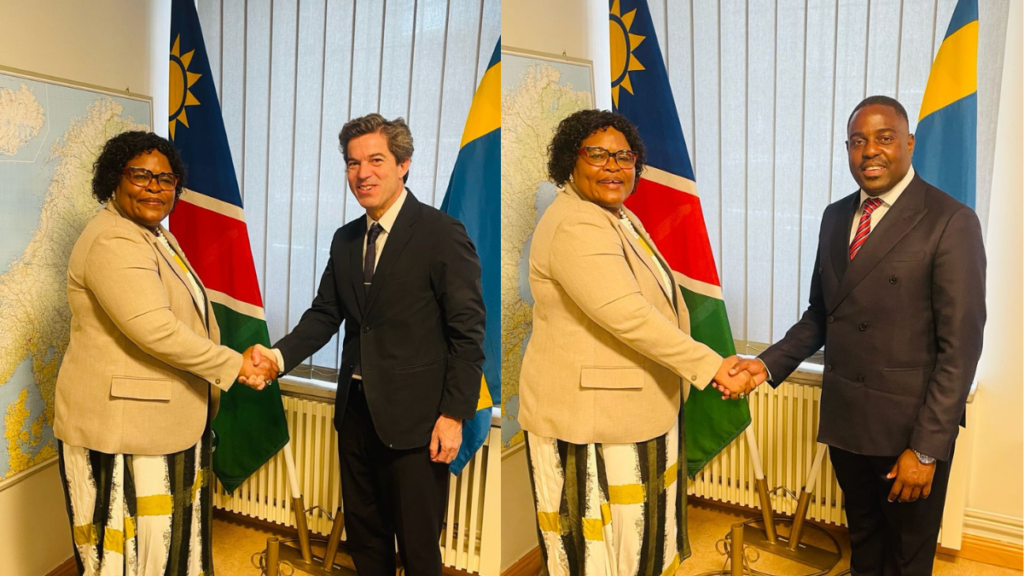
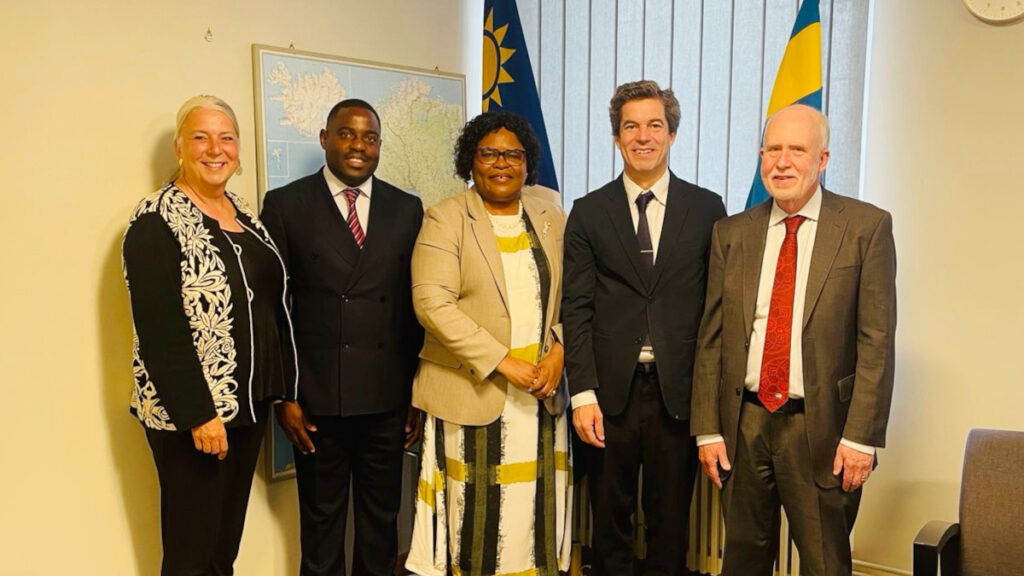
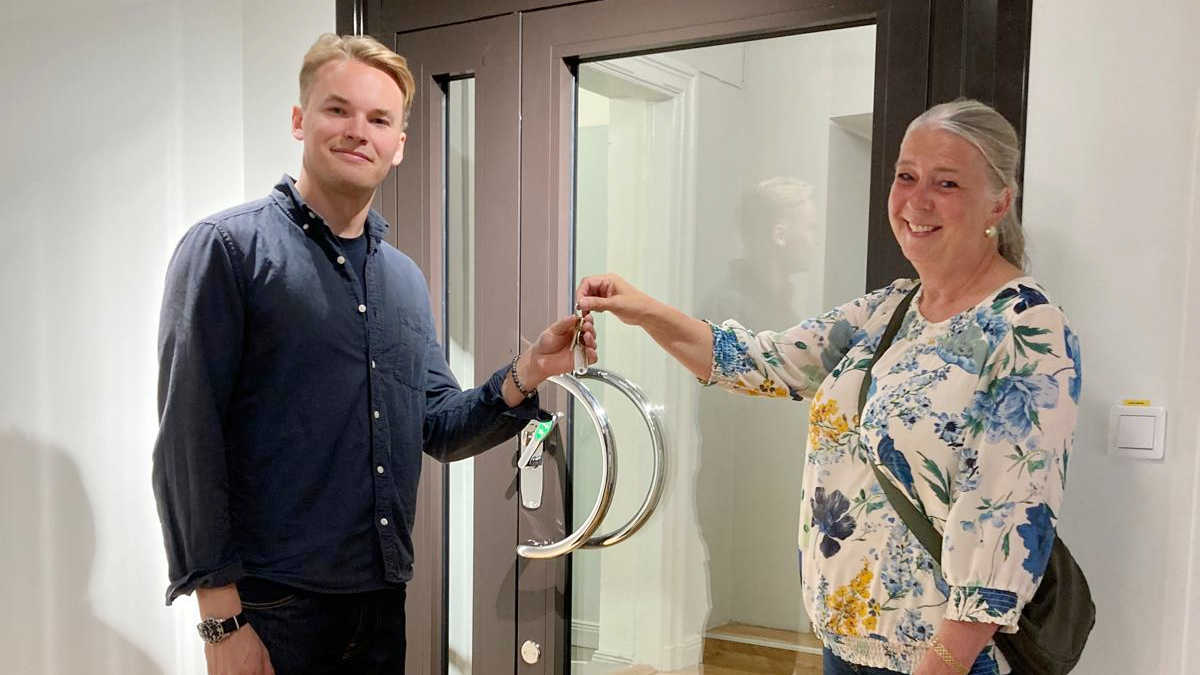
The following day, GWPO met with H.E. Sophia Kakena Kauna Nangula, Ambassador of Namibia to Sweden, Norway, Denmark, and Iceland, at the Embassy of Namibia in Stockholm. The meeting provided an opportunity to thank Namibia for its hospitality and partnership as GWPO prepares to establish its new primary headquarters in Windhoek. The Ambassador warmly welcomed the transition and reaffirmed Namibia’s support for this next phase in GWP’s evolution.
The Road Ahead: Investment at Scale
The next chapter of GWP is defined by ambition. GWPO’s dual headquarters structure is itself a statement of intent: Windhoek as the political and governance capital of the partnership; Cape Town as a dedicated hub for mobilising the financing the water sector so urgently needs. GWP has set itself a target of influencing USD 15 billion in water and climate investments by 2030 through its new 2026 – 2030 Strategy alone.
And GWP’s presence in Sweden is far from over. The new Water Sweden initiative – bringing together Swedish water actors including WaterAid Sweden, private sector partners, and research institutions – is designed to channel Swedish expertise and investment directly into GWP’s global agenda. As Alex Simalabwi put it:
“We are not going. The headquarters is moving but we are still going to be very present – and even more visible here in Sweden than we have been before.”
A new academic partnership, signed in February 2026 between GWPO, the University of Oxford, and Namibia University of Science and Technology, signals the same intent: building the next generation of water leaders, with roots in both the organisation’s history and its new home.
Thirty years after its founding, GWP enters its next chapter with the same principles that shaped its beginnings – partnership, trust, and cooperation – but with renewed ambition to transform water investment and deliver impact at scale.
For more information and contact details of GWPO’s dual Headquarters: Contact – GWPO-GWP