
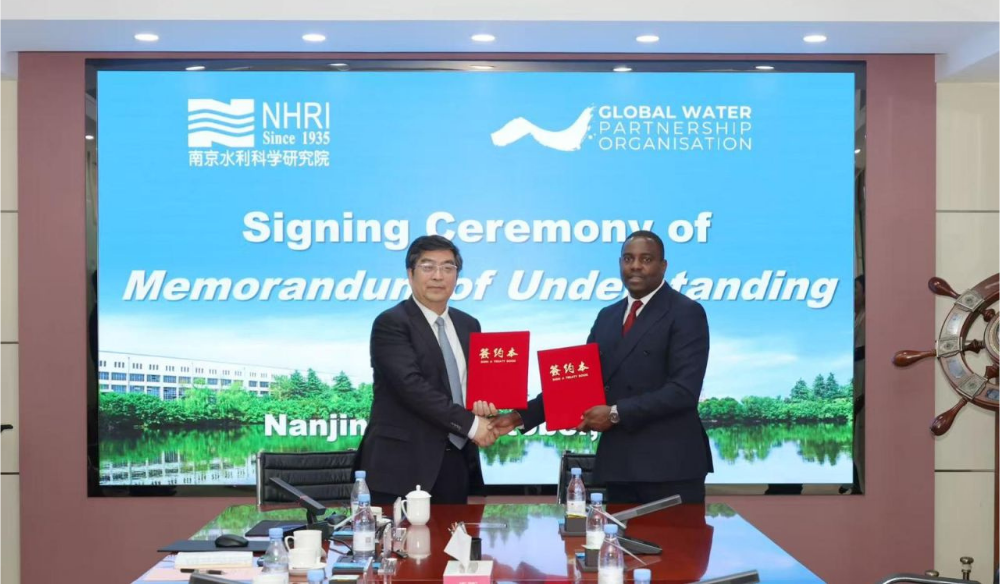
A new Memorandum of Understanding connects one of China’s leading water research institutions with GWP’s global network of 2,800 partners. The aim is to help countries prepare climate-resilient water investments built on strong science.
The Global Water Partnership Organisation (GWPO) and the Nanjing Hydraulic Research Institute (NHRI) have signed a Memorandum of Understanding to advance climate-resilient water security. The partnership brings together scientific knowledge, innovative technologies, capacity development and investment.
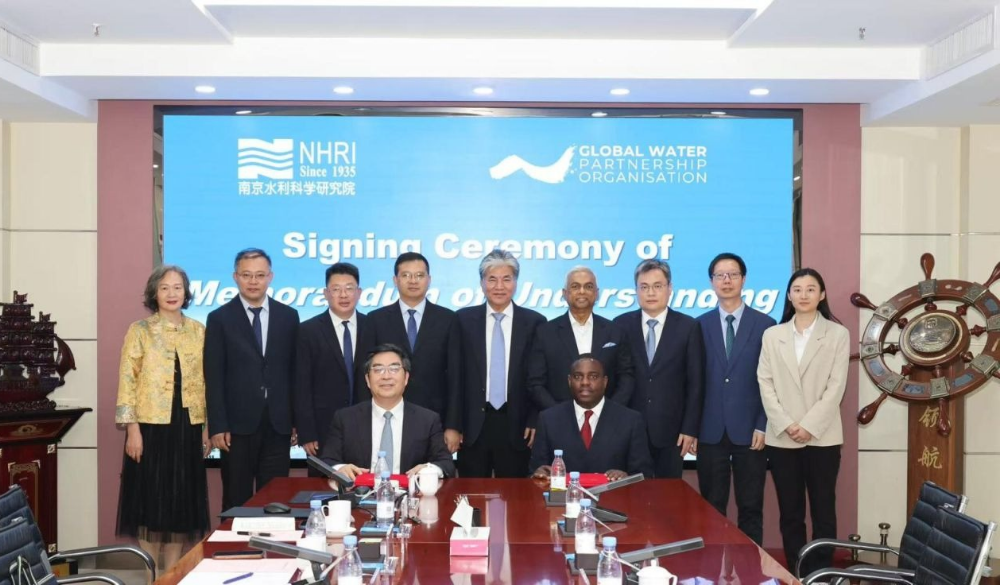
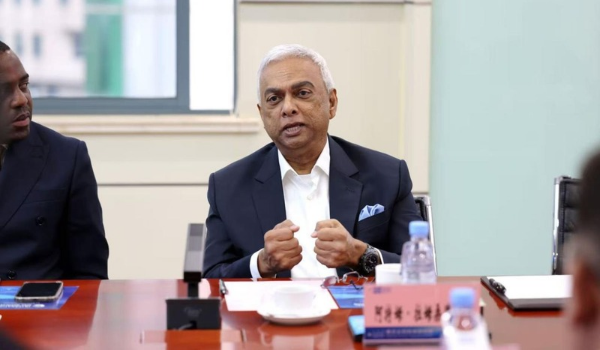
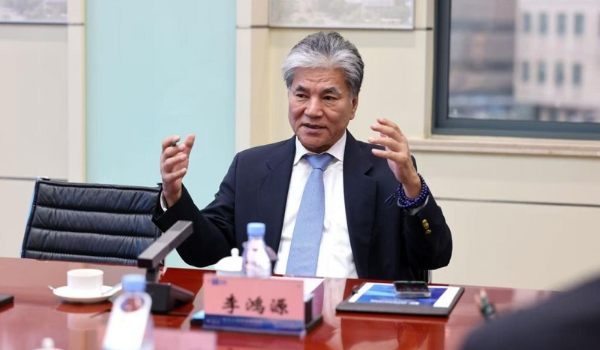
The world needs about USD 140 billion more each year in water investment, and money alone will not close that gap. Countries also need well-prepared projects, sound risk analysis and strong institutions that can turn finance into lasting water security. This is central to GWP’s strategy. The new partnership is designed to strengthen the connection between scientific expertise, institutional decision-making and investment preparation.
From knowledge to bankable projects
NHRI was founded in 1935 and is China’s oldest hydraulic research institute. It has delivered more than 300 overseas research and consultancy projects across Asia, Africa, Europe, Oceania and South America, on water resources, hydropower, waterways and infrastructure. GWP’s network includes 13 Regional Water Partnerships, more than 75 Country Water Partnerships and over 2,800 institutions. It can connect that expertise with countries’ own priorities and with the policy and investment processes that shape them.
“Closing the water investment gap is not only about mobilising more finance. It is about making sure every dollar is backed by sound science, strong institutions and projects that countries own. NHRI brings nearly a century of hydraulic research and engineering excellence. Through GWP’s network, we can connect that knowledge with the countries and partners preparing the climate-resilient investments the world urgently needs,” said GWPO CEO Alex Simalabwi.
Areas of cooperation
Under the MoU, GWPO and NHRI will:
- Convene for investment: bring together public institutions, investment communities, technology companies and other partners to explore financing and technical support for climate-resilient water projects, guided by climate-risk analysis and country priorities
- Scale up innovation: share and adapt tools such as hydrological modelling, remote sensing, AI-enabled analysis and decision-support systems for forecasting and early warning of floods and droughts, and for preventing them
- Build capacity: co-create technical training on risk assessment, infrastructure resilience, preparedness and investment preparation, drawing on platforms such as GWP’s Water Knowledge Hub and NHRI’s International Joint Research Center for Water Science and Engineering
- Strengthen governance and dialogue: support Integrated Water Resources Management (IWRM), coordination on climate-related water risks, data-sharing practices and early-warning systems through policy dialogues and technical exchanges
GWPO will facilitate engagement with country and regional institutions and link technical cooperation to capacity development and investment preparation. NHRI will contribute scientific and technical expertise, including data, modelling capabilities, risk-analysis methods and training resources.
Next steps
The MoU runs for three years. Cooperation will be agreed project by project, focusing on regions, countries and topics both parties select. Focal points at GWPO and NHRI will coordinate implementation and review progress together. The cooperation supports SDG 6 on clean water and sanitation and SDG 13 on climate action. It will complement existing GWP programmes and partnerships.