
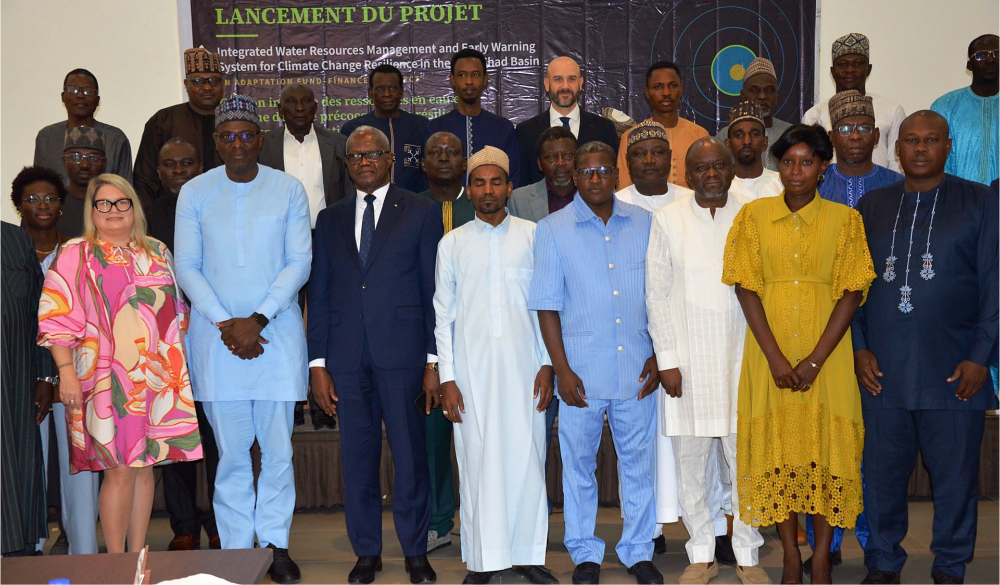
Cameroon, the Central African Republic, Chad, Niger and Nigeria have begun a five-year, US$11.7 million Adaptation Fund project to help the more than 50 million people of the Lake Chad Basin anticipate and manage floods and droughts.
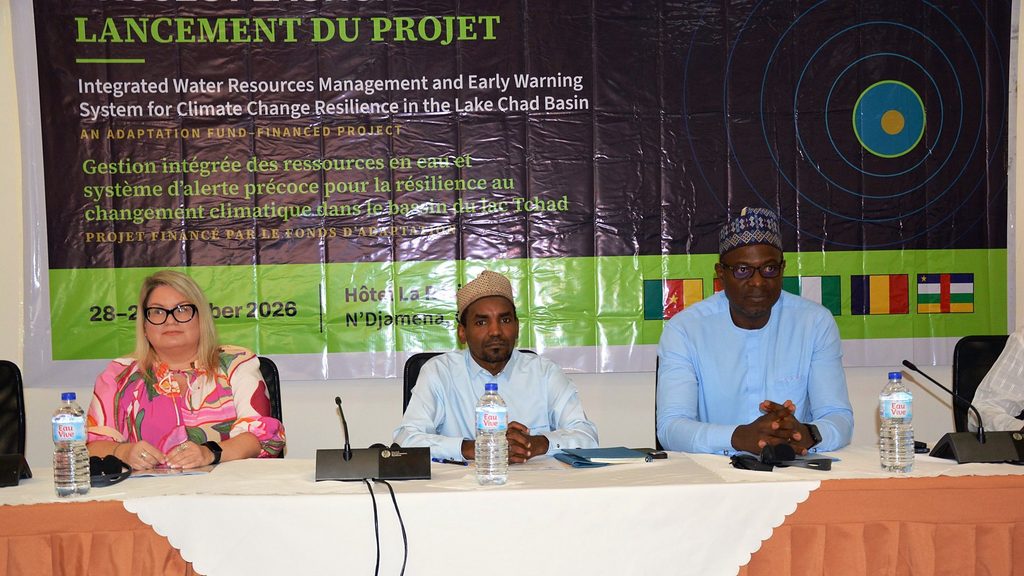
The project, Integrated Water Resources Management and Early Warning System for Climate Change Resilience in the Lake Chad Basin, was officially launched in N’Djamena, Chad, on 28 October 2026.
The project is implemented by the World Meteorological Organization and executed by the Lake Chad Basin Commission and Global Water Partnership, Central Africa (GWP-CAf), with support from the Global Water Partnership Organisation (GWPO).
A basin living with too much and too little water
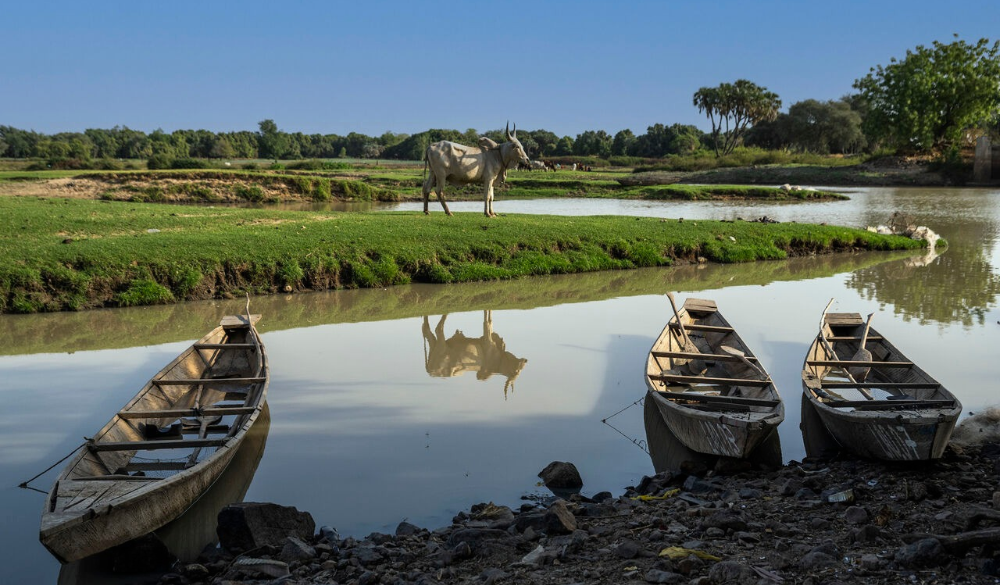
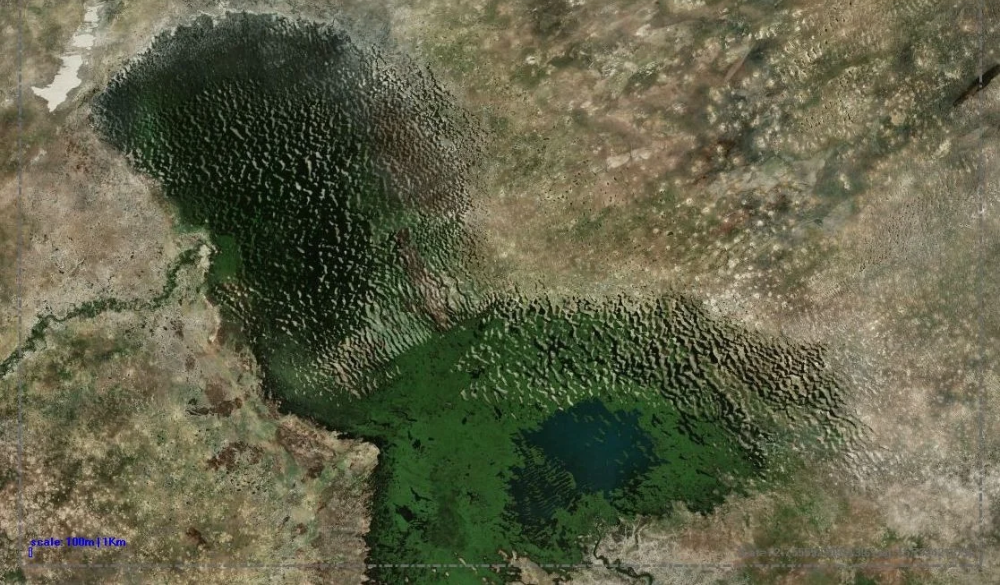
The Lake Chad Basin is among the regions of Africa most exposed to climate change. The active basin covers about 1 million km² and is home to more than 50 million people. Its population is expected to double over the next 30 years.
Over the past five decades, Lake Chad has lost around 90% of its surface area. Between 1970 and 2020, more than 40 flood and drought disasters struck the basin, affecting over 31 million people. Droughts accounted for about nine in ten of the people affected. Floods have repeatedly hit towns such as N’Djamena, Kousseri, Sarh, Moundou and Bongor.
Floods are not only a threat, however. Much of the rural economy depends on the annual flooding of the Logone and Chari river floodplains and the shores of the lake. Fishing, flood-recession farming and dry-season grazing all rely on it. Managing water well therefore means knowing when floods will come, how large they will be and how long they will last.
At the same time, the network of weather and river-monitoring stations has shrunk since the 1980s, leaving governments and communities without the timely, reliable information they need to prepare.
From data to action: what the project will do
The project aims to help the people of the Lake Chad Basin withstand floods and droughts by strengthening the ability of their countries to prepare for climate risk and adapt to them. It will do this in four ways:
1. Strengthening regional hydrometeorological observation networks and information systems for a better measurement of rain, rivers and lakes: weather and river-monitoring stations will be rehabilitated or installed,
2. Identifying user needs and developing hydrometeorological products and services, including flood and drought forecasting and a transboundary early warning mechanism.
3. Raising awareness among decision makers, lawmakers and water users on the importance of hydrometeorological information and services and delivering warnings that reach vulnerable groups.
4. Strengthening plans and communities’ response capacity, including gender-responsive flood and drought management plans and pilot community adaptation measures.
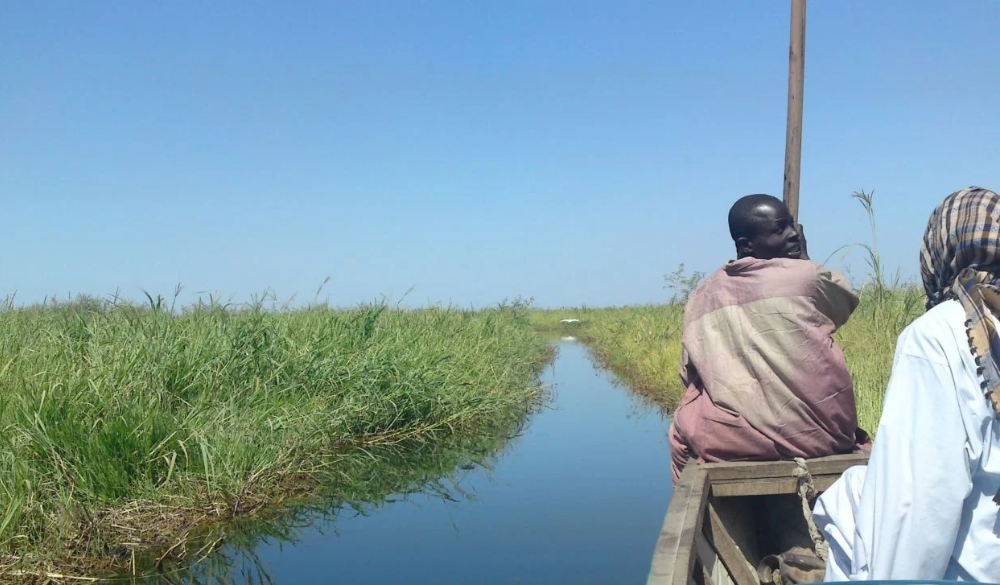
An estimated 22.5 million people with access to radio or mobile phones are expected to benefit directly from improved warnings. The project gives particular attention to women, youth, farmers, herders and fishers, whose livelihoods depend most on the basin’s water.
For a farmer, a herder or, a fisher, this can mean a radio or phone message days ahead that flood is coming or that the rains are likely to fail, in time to move livestock, harvest early, change what is planted or adjust fishing. Pilot communities in each country will also draw up local emergency plans with women, youth, most vulnerable and community leaders, and receive training on how to read and use the warnings.
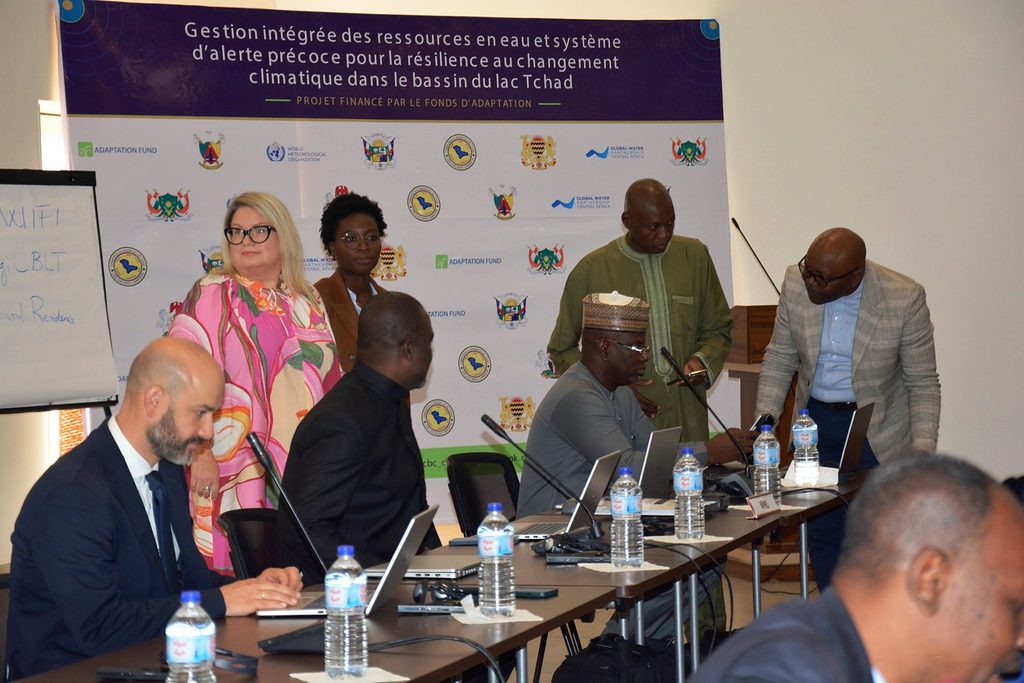
A two-day regional inception workshop in N’Djamena was held on 28–29 October 2026. Delegations from the five participating countries, including their National Meteorological and Hydrological Services, LCBC focal points and Adaptation Fund Designated Authorities and the project partners will agree an action plan for the first year of implementation as well as governance arrangements. Each country presented the current state of its hydrometeorological services and its priority needs.
“The Lake Chad Basin cannot protect its people from floods and droughts it cannot see coming. This project gives our member States the shared data, forecasts and warnings they need to act early, together,” said Amb. Ibrahim Babani, Executive Secretary, Lake Chad Basin Commission.
“Early warnings for all start with reliable observations. By modernizing hydrometeorological networks and services across five countries, this project will help turn data into timely action that saves lives and livelihoods,” said Wayne Jenkinson, Director of WMO’s Hydrology and Cryosphere Division.
“Resilience is built with communities, not only for them. We will work with women, youth, farmers, herders and fishers so that warnings are understood, trusted and acted upon,” said Hervé Christian Didas Amboulou Chair of Global Water Partnership Central Africa.
“Chad is proud to host the launch of a project that reflects the solidarity of the basin’s countries in the face of climate change,” said H.E. Passale Kanabe Marcelin, Honorable Minister of Water Resources and Energy, Government of Chad.
“Every dollar spent on reliable data and timely warnings protects homes, harvests and livelihoods. But the value goes further: credible hydrometeorological information underpins bankable water and climate resilience investments. By working together, the Lake Chad Basin countries are building the shared evidence base that can unlock the larger finance this region needs,” said Dr Valentin Aich, Senior Water and Climate Specialist at GWPO.
All photos courtesy of Lake Chad Basin