
To understand the “harmfulness, resource value, and functionality” of floods, and establish systematic solutions for flood control, flood utilization, and flood shaping for a harmonious coexistence between humans and floods.
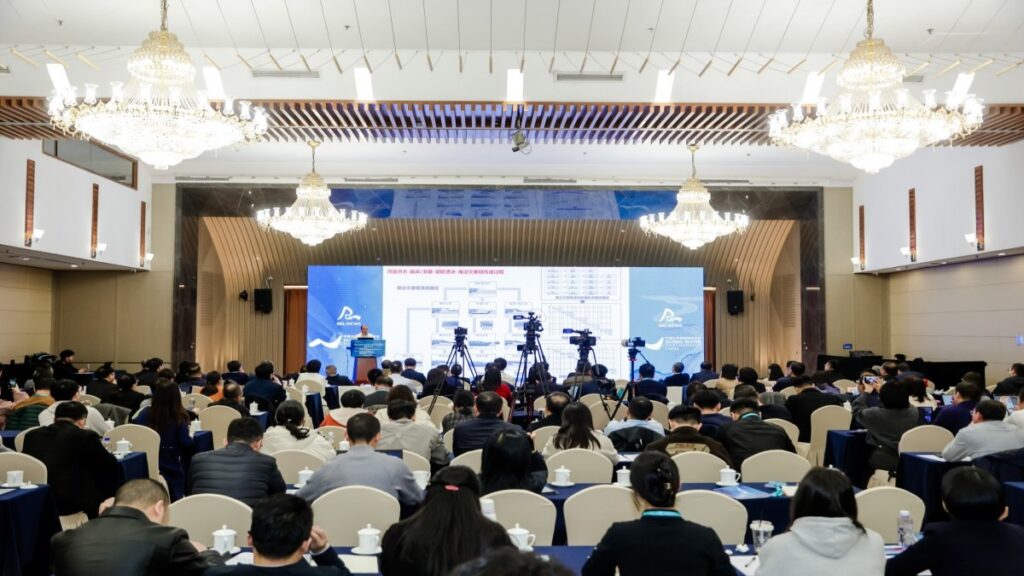
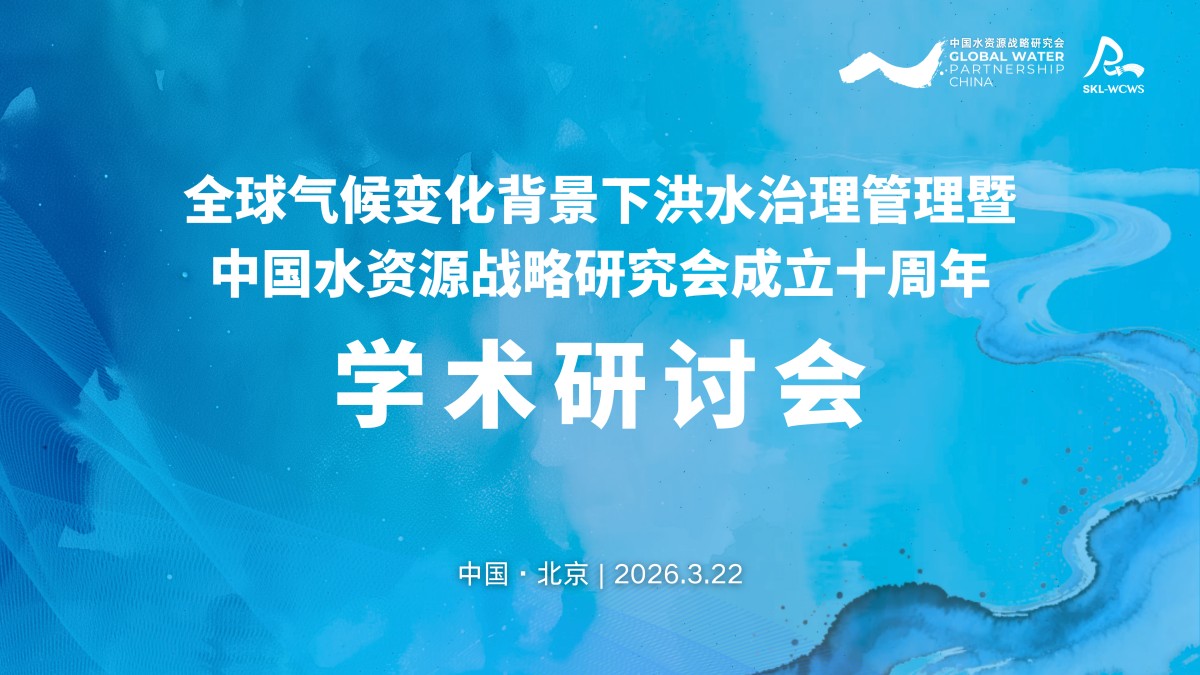
On World Water Day, March 22, the Academic Symposium on Flood Management in the Context of Global Climate Change was held in Beijing. The symposium was hosted by GWP China. Vice Minister of Water Resources Wang Bao’en attended the meeting and delivered a speech. Zhong Zhiyu, Chief Engineer of the Ministry of Water Resources and Chair of GWP China, presided over the opening ceremony and offered concluding remarks.
Wang Bao’en noted that, guided by the water governance approach that prioritizes water conservation, ensures spatial balance, implements systematic governance, and leverages both government and market mechanisms, Minister of Water Resources Li Guoying has proposed a new concept of comprehensively understanding the “harmfulness, resource value, and functionality” of floods. This concept aims to accelerate the transformation of traditional flood management models and establish systematic solutions for flood control, flood utilization, and flood shaping, ultimately achieving harmonious coexistence between humans and floods. Wang Bao’en emphasized the importance of properly managing five key relationships: between disaster prevention and beneficial use, demand and supply, individual components and mutual feedback, commonality and specificity, and intra-basin and inter-basin dynamics. He called for continuous strengthening of strategic research on flood control, flood utilization, and flood shaping by deepening scientific understanding, optimizing regulation technologies, and reinforcing systematic support, contributing wisdom and effort to enhancing national water security and achieving harmonious coexistence between humans and nature.
The symposium, organized around the theme “Flood Management in the Context of Global Climate Change,” focused on three core topics: flood control, flood utilization, and flood shaping. It featured 17 invited and special presentations. Experts engaged in extensive exchanges and discussions from various perspectives, including basin-level practices and scientific research, and conducted in-depth explorations into new concepts, models, and approaches for flood management.
Academicians from the Chinese Academy of Engineering—Wang Hao, Zhong Denghua, Wang Fuming, Deng Mingjiang, Wu Fengchang, Xu Weilin, and Hu Ya’an—alongside Academicians from the Chinese Academy of Sciences—Wang Huijun—and Guo Shenglian, Foreign Member of the Norwegian Academy of Technological Sciences, attended the symposium. Wang Jianhua, President of the China Institute of Water Resources and Hydropower Research (IWHR), was present and delivered a welcome address. Approximately 150 representatives attended the symposium, including officials from relevant departments and directly affiliated institutions of the Ministry of Water Resources, as well as representatives from provincial and municipal water departments, research institutes, and universities. The symposium was hosted by GWP China, the China Institute of Water Resources and Hydropower Research (IWHR), and the State Key Laboratory of Watershed Water Cycle and Water Security.