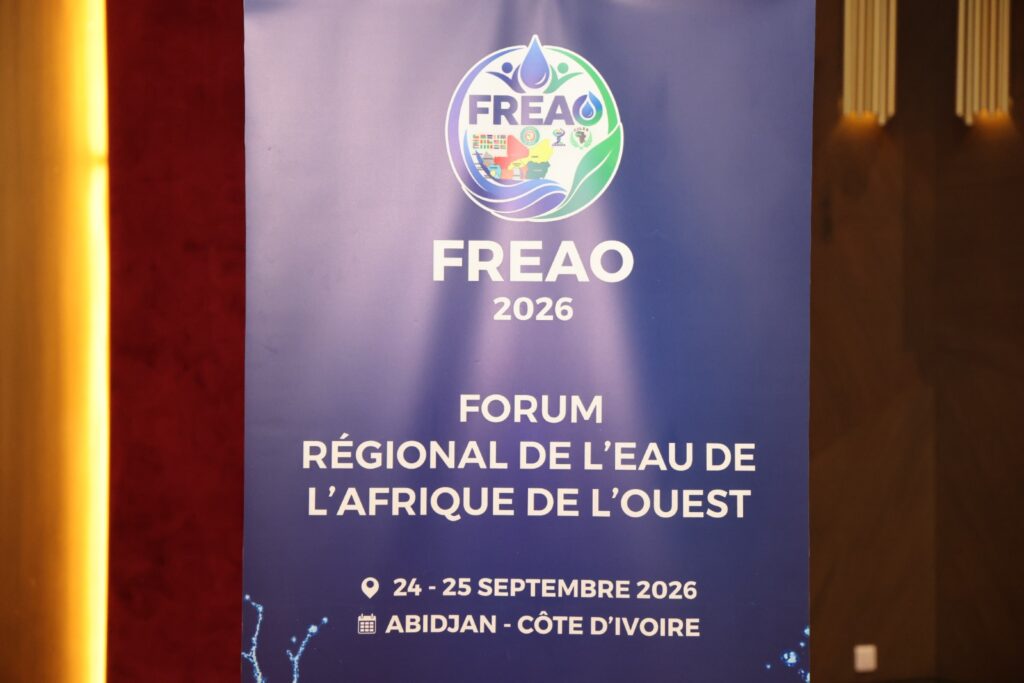
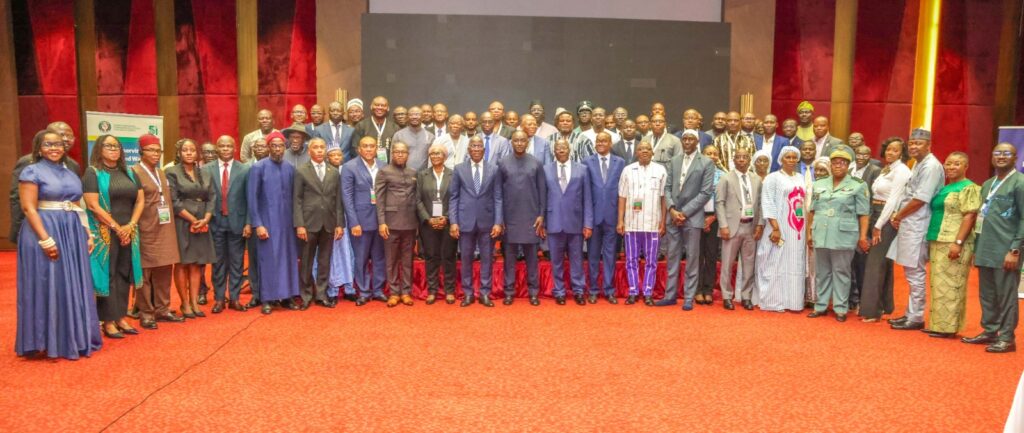
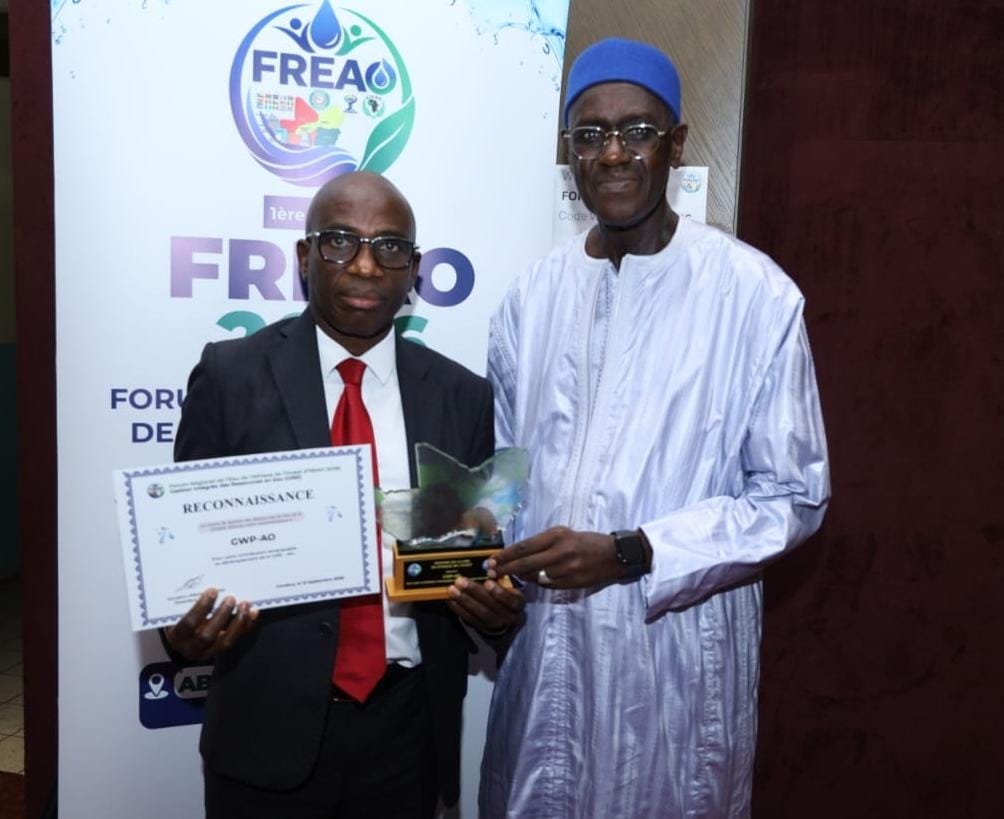
The first edition of the West Africa Regional Water Forum (FREAO) was held on 24-25 September 2026 in Abidjan under the theme “Valuing Water to Transform West Africa.” Organized by ECOWAS, through its Water Resources Management Centre (WRMC), in collaboration with the UEMOA Commission, CILSS, and the Republic of Côte d’Ivoire, the forum concluded with the adoption of the Abidjan Final Declaration. As a member of the Regional Coordination Group, GWP West Africa (GWP-WA) played a leading role: its Chair presided over the high-level ministerial panel, its Executive Secretary served as rapporteur for Session 2, and the institution led Regional Thematic Group 3 (RTG 3) on gender, youth, and social inclusion in water governance in West Africa.
An Interdependent Region
West Africa is home to 28 shared river basins, covering nearly 71% of its territory. FREAO aims to assess progress in Integrated Water Resources Management (IWRM) and Sustainable Development Goal 6 (SDG 6), mobilize financing, and prepare the region’s position for the United Nations Water Conference scheduled for December 2026.
The discussions focused on four key priorities:
- The water-energy-food-environment nexus;
- Financing water infrastructure;
- Gender, youth, and social inclusion;
- Regional cooperation and hydro-diplomacy.
A High-Level GWP-WA Delegation
GWP-WA was represented in Abidjan by its Chair, Mr. Abdoulaye Sène, its Executive Secretary, Mr. Amadou Lamine Ndiaye, and its Regional Project Officer, Mr. Maxime Teblekou.
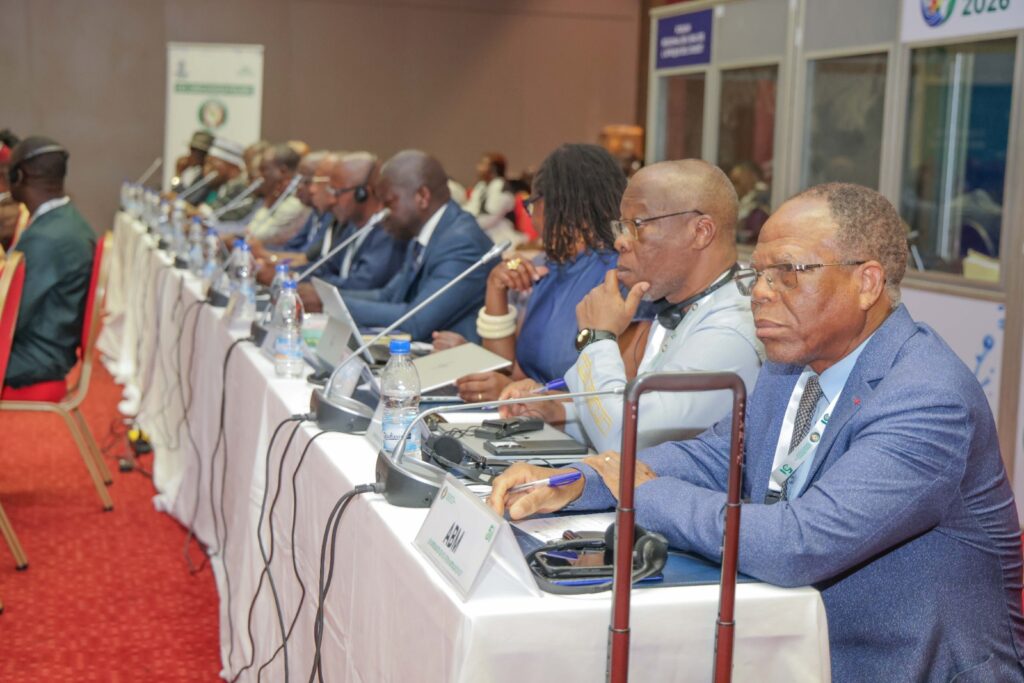
Mr. Sène chaired the high-level ministerial panel dedicated to reviewing the regional IWRM process and progress toward SDG 6 in West Africa. The panel brought together Ministers responsible for water from Sierra Leone, Ghana, Senegal, Liberia, and Côte d’Ivoire, as well as the Executive Secretary of CILSS and the ECOWAS Commissioner for Infrastructure, Energy and Digitalisation.
Mr. Ndiaye served as rapporteur for Session 2, which focused on financing water infrastructure.
Mr. Teblekou presented the report of RTG 3 during Session 6.
A Regional Water and Climate Resilience Platform (2026-2030)
Against a backdrop of converging water, climate, food, and energy risks, the platform aims to transform policy priorities into resilient investments by aggregating needs, pooling project preparation costs, and facilitating access to financing without creating a parallel institutional structure.
Coordinated by GWP-WA in collaboration with relevant institutions, the platform is structured around four pillars:
- Climate-resilient water investments;
- Governance and hydro-diplomacy;
- Data and climate services;
- Capacity development and inclusion.
Session 3: From Assessment to Action
On Friday, 25 September, Session 3, entitled “Gender, Youth and Social Inclusion in Water Governance in West Africa: What Levers for More Equitable, Participatory and Resilient Governance?”, was chaired by Dr. Boluwaji Onabolu, Chair of the ECOWAS Sub-Regional Water Resources Advisory Council.
In her opening remarks, she emphasized that women and young people, despite being central actors in water management, remain underrepresented in decision-making bodies and called for concrete implementation of existing commitments.
The panel brought together representatives from:
- The ECOWAS Centre for Gender Development (Ms. Aissatou Ba);
- The Niger Basin Authority (Mr. Armad Houaye, Executive Secretary);
- The Mano River Union (Mr. Herbert Bangura, Youth Coordinator);
- The National Committee of Niger Basin Users (Ms. Assata Cissé);
- UNICEF (Mr. Hubert Onibon);
- ROAPJE (Mr. René Bayili);
- The Ministry of Water and Forests of Côte d’Ivoire (Mr. Kouassi Auguste).
Mr. Maxime Teblekou opened the discussions by presenting, on behalf of GWP-WA, a summary of the RTG 3 report, highlighting achievements, challenges, and proposed actions for more equitable water governance.
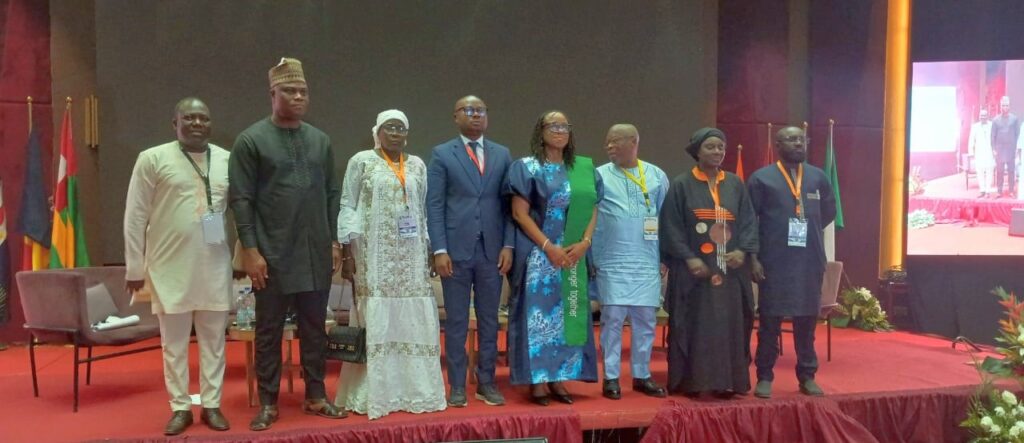
On 21 September 2026, during the IWRM Experts’ Session, the Executive Secretary presented the proposal for a Regional Water and Climate Resilience Platform (2026-2030).
Three Key Messages
The session produced three key messages to feed into the General Report and the Final Declaration:
1. Operationalizing Policies Through Strong Institutional Mechanisms
The guidelines on integrating gender and social inclusion into water resources management, developed by the ECOWAS Centre for Gender Development and the WRMC, should be domesticated and implemented within ECOWAS Member States.
RTG 3 recommends the development of regional and national Gender and Water Resources Action Plans, as well as communities of practice to promote monitoring, learning, and accountability.
2. Enhancing Women’s and Youths’ Influence, Leadership, and Digital Capacities
Representation alone is not sufficient. Dedicated leadership and mentoring programmes, digital literacy training, institutional reforms such as quotas, and greater visibility of women and youth as innovators and leaders are needed.
3. Integrating the GESI Approach into Water Information Systems
The Gender Equality and Social Inclusion (GESI) approach should be mainstreamed into WASSMO and national water information systems through the use of gender-, age-, and vulnerability-disaggregated indicators.
This requires financing data collection efforts and ensuring that such data are effectively utilized for planning, budgeting, and accountability.
What Next?
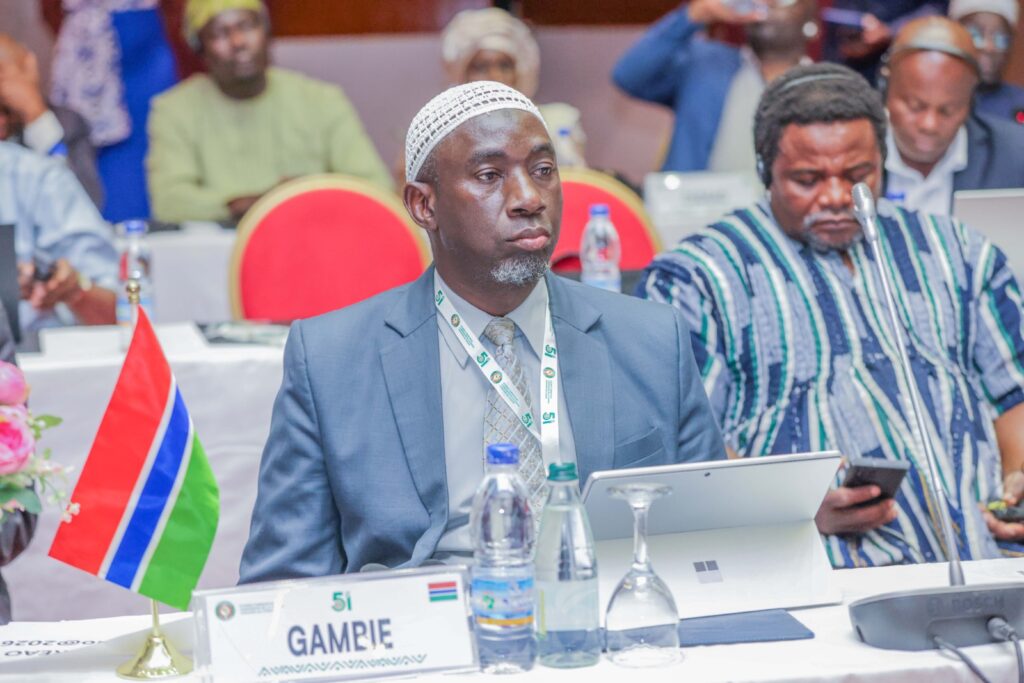
The second edition of FREAO will be hosted by Cabo Verde.
In the meantime, GWP-WA will continue to promote the recommendations of RTG 3 and advance the Water and Climate Resilience Platform with Member States, river basin organizations, and development partners, with the objective of ensuring that the region benefits from resilient, coordinated, and inclusive investments.