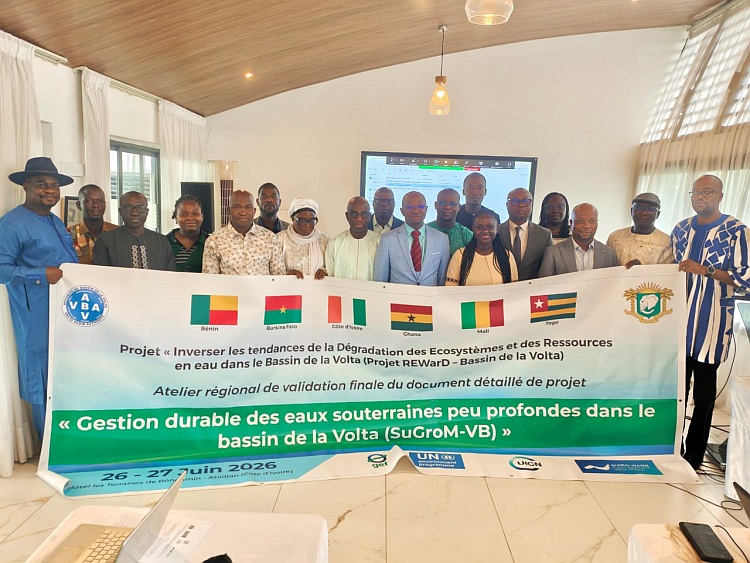
Abidjan, Côte d’Ivoire, 22, 26 and 27 June 2026 – Ten journalists and communication professionals from member countries of the Volta Basin Authority (VBA) participated in a regional capacity-building, mobilization, and media production workshop held in Abidjan under the REWarD-Volta River Basin Project (Reversing Ecosystem and Water Degradation Trends in the Volta River Basin).
The activity was jointly organized by the Volta Basin Authority (VBA) and the Global Water Partnership West Africa (GWP-WA). The REWarD Project is funded by the Global Environment Facility (GEF) and executed by the VBA and GWP-WA in close collaboration with the United Nations Environment Programme (UNEP) and the International Union for Conservation of Nature (IUCN).
Held under the theme “The Contribution of the Media to Reversing the Degradation of Ecosystems and Water Resources in the Volta Basin,” the workshop formed part of the media engagement strategy supporting the 5th Volta Basin Stakeholders Forum (VSF5) and the regional political validation workshop of the Volta Basin Environmental Capital Assessment.
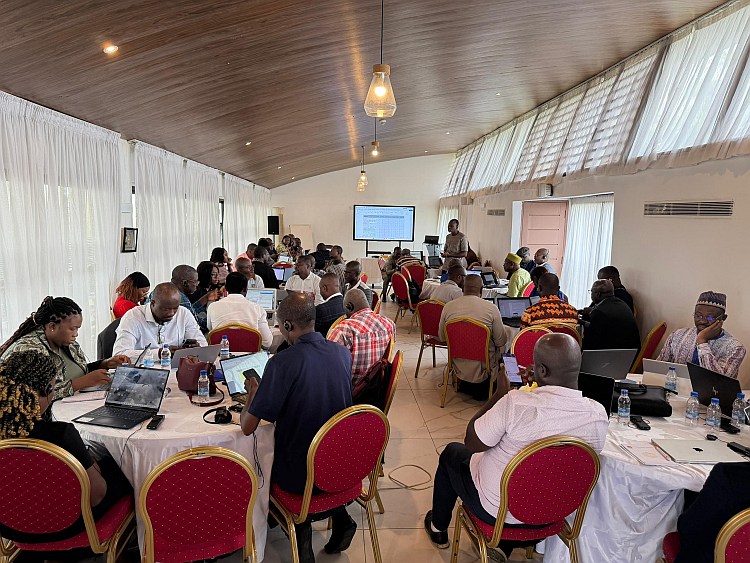
The workshop aimed to strengthen the technical, editorial, and strategic capacities of journalists to improve media coverage of issues related to sustainable water resources management, ecosystem protection, and climate resilience in the Volta Basin.
A Call for Media Engagement in Support of the Volta Basin
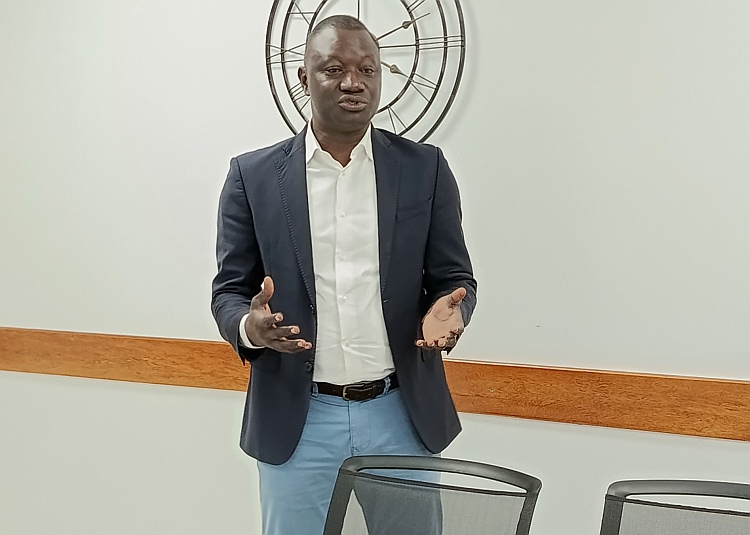
The opening ceremony featured remarks by Dr Amadou Lamine NDIAYE, Executive Secretary of GWP-WA, and Dr Dibi MILLOGO, Deputy Executive Director of the Volta Basin Authority.
In his opening address, Dr Amadou Lamine NDIAYE highlighted the strategic role of the media in water governance and environmental protection.
“At a time when climate change, ecosystem degradation, and increasing pressure on water resources are among the region’s greatest challenges, the media have a critical role to play in informing, raising awareness, and mobilizing citizens. Journalists serve as a vital bridge between scientists, decision-makers, and communities. By strengthening their capacities, we contribute to building a better-informed and more engaged public committed to safeguarding the Volta Basin.”
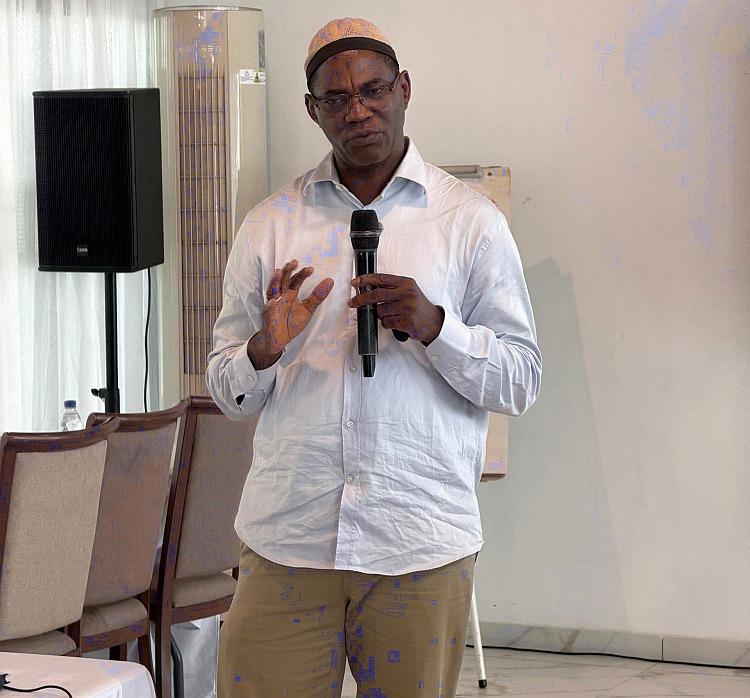
Speaking on behalf of the VBA, Dr Dibi MILLOGO emphasized the importance of building a strong regional network of journalists committed to environmental issues.
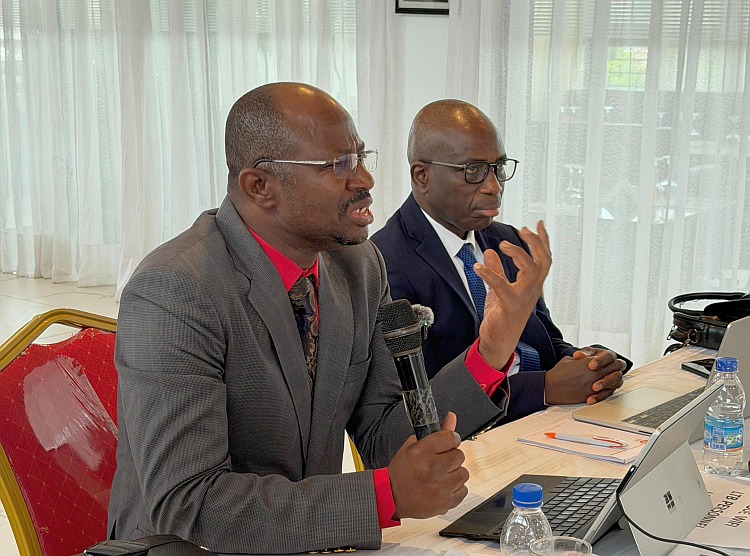
“The media are strategic partners of the Volta Basin Authority. Their contribution is essential for promoting responsible behavior, highlighting good practices, and strengthening dialogue among citizens, scientists, and decision-makers. This workshop provides an important opportunity to consolidate a regional network of journalists capable of supporting long-term efforts to preserve the Volta Basin’s water resources and ecosystems.”
Strengthening Skills for High-Quality Environmental Journalism
Throughout the training sessions, participants deepened their understanding of the environmental, water, and climate challenges facing the Volta Basin, the findings of the Environmental Capital Assessment, and the principles of Integrated Water Resources Management (IWRM).
Journalists also benefited from practical modules covering:
- Environmental journalism;
- Reporting and investigative techniques;
- Environmental storytelling;
- Science communication and popularization;
- Multimedia content production;
- Public awareness and solutions journalism.
The workshop also strengthened collaboration among media professionals, experts, the VBA, GWP-WA, and other stakeholders involved in the sustainable management of the Volta Basin.
Active Participation in the 5th Volta Basin Stakeholders Forum
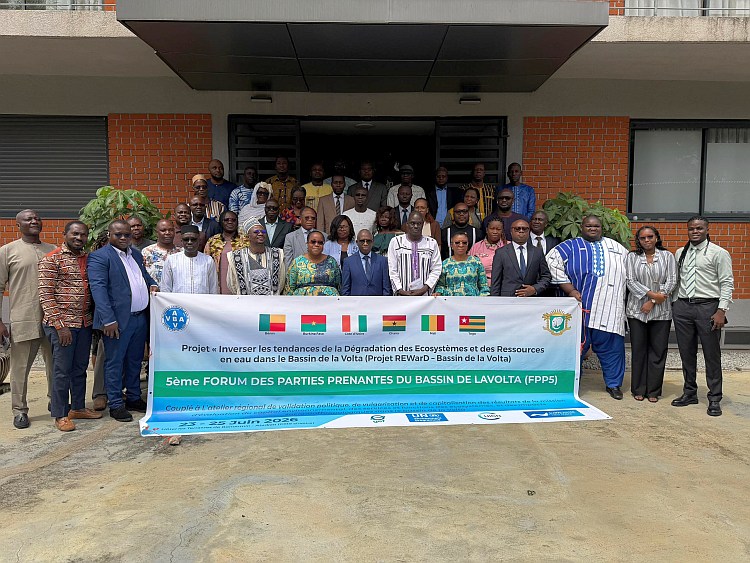
Beyond the training sessions, participants took part in the 5th Volta Basin Stakeholders Forum (VSF5), which brought together representatives of member states, regional institutions, technical and financial partners, civil society organizations, and experts in the fields of water and environmental management.
This immersion enabled participants to gain a deeper understanding of transboundary water governance issues, ecosystem degradation challenges, and the findings of the Environmental Capital Assessment, whose political validation was one of the key highlights of the Forum.
Media Production and a Strengthened Regional Network
The final phase of the workshop focused on practical media production. Participants developed articles, reports, interviews, radio programmes, audiovisual content, and digital media products aimed at raising public awareness of environmental challenges in the Volta Basin and highlighting the results of the REWarD Project.
Key achievements of the workshop included:
- Enhanced knowledge of water, climate, and environmental issues among participating journalists;
- Revitalization of the VBA Network of Men and Women Media Professionals;
- Renewed commitment by participants to support communication and advocacy efforts in their respective countries;
- Adoption of a rotating governance mechanism for the network;
- Launch of the process to formally establish the VBA Media Network.
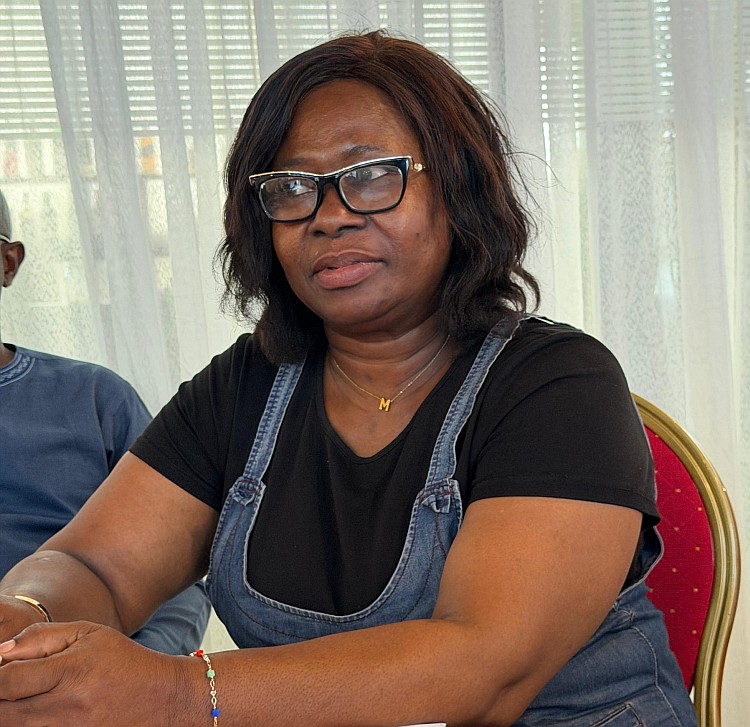
Participants also designated Ms Marcelle Akissi AKA (Côte d’Ivoire) as President and Spokesperson of the VBA Network of Men and Women Media Professionals, marking an important step toward strengthening regional coordination of communication efforts on Volta Basin issues.
Contributing to the Sustainability of the Volta Basin
Through this initiative, the REWarD Project reaffirmed the vital role of the media in raising awareness, disseminating reliable information, and advocating for the protection of ecosystems and water resources.
Participants commended the quality of the discussions and reaffirmed their commitment to actively promoting sustainable natural resource management, climate resilience, and the protection of the Volta Basin’s shared environmental heritage.