Under the FAO ScaleWat Project, the Food and Agriculture Organization (FAO) in collaboration with Global Water Partnership Southeast Asia (GWP SEA) has implemented this initiative to provide dedicated support for water tenure efforts across Southeast Asia. The initiative forms part of a broader regional strategy aimed at strengthening climate-resilient agricultural systems and promoting sustainable water governance in the Southeast Asia context.
Background
Agriculture remains the principal user of water in Southeast Asia and plays a critical role in sustaining regional food security. However, increasing pressure from climate change, population growth, and economic expansion is placing growing strain on water resources across the region. At the same time, water tenure arrangements in many countries continue to face challenges related to fragmented governance, limited legal recognition, and inconsistent implementation.
Water tenure refers to the systems and arrangements through which individuals, communities, and institutions access, manage, and exercise rights over water resources. In many rural areas, smallholder farmers and local communities depend largely on customary practices that are not formally recognized within legal and policy frameworks, often resulting in unequal access and heightened vulnerability to environmental and socio-economic change.
This initiative builds on the Food and Agriculture Organization’s regional efforts to strengthen responsible water governance, including water tenure assessments conducted in Indonesia, Thailand, Cambodia, Viet Nam, Sri Lanka, and other countries in Asia and the Pacific. The work aims to support more inclusive, equitable, and climate-resilient approaches to water governance while contributing to water security, sustainable agriculture, and broader development priorities across the region.
Objectives
The purpose of this collaboration is to strengthen knowledge sharing, engagement, and capacity development on water tenure initiatives, laying the groundwork for a Regional dialogue and ensuring multi-stakeholder approach to promote inclusive discussions and a shared understanding of water tenure systems and principle of responsible governance of water tenure. The project’s primary goals include:
- Fostering Common Understanding and Knowledge Exchange: Establishing a shared perspective on various water tenure systems, study cases and their implications for equity and productivity.
- Capacity Enhancement: Improving the knowledge of multi-stakeholders regarding water tenure concepts and the assessment methodology within regional governance frameworks.
- Strengthening Collaboration: Facilitating structured dialogues and mutual learning among multi-stakeholder partners to identify water tenure challenges and recommendation.
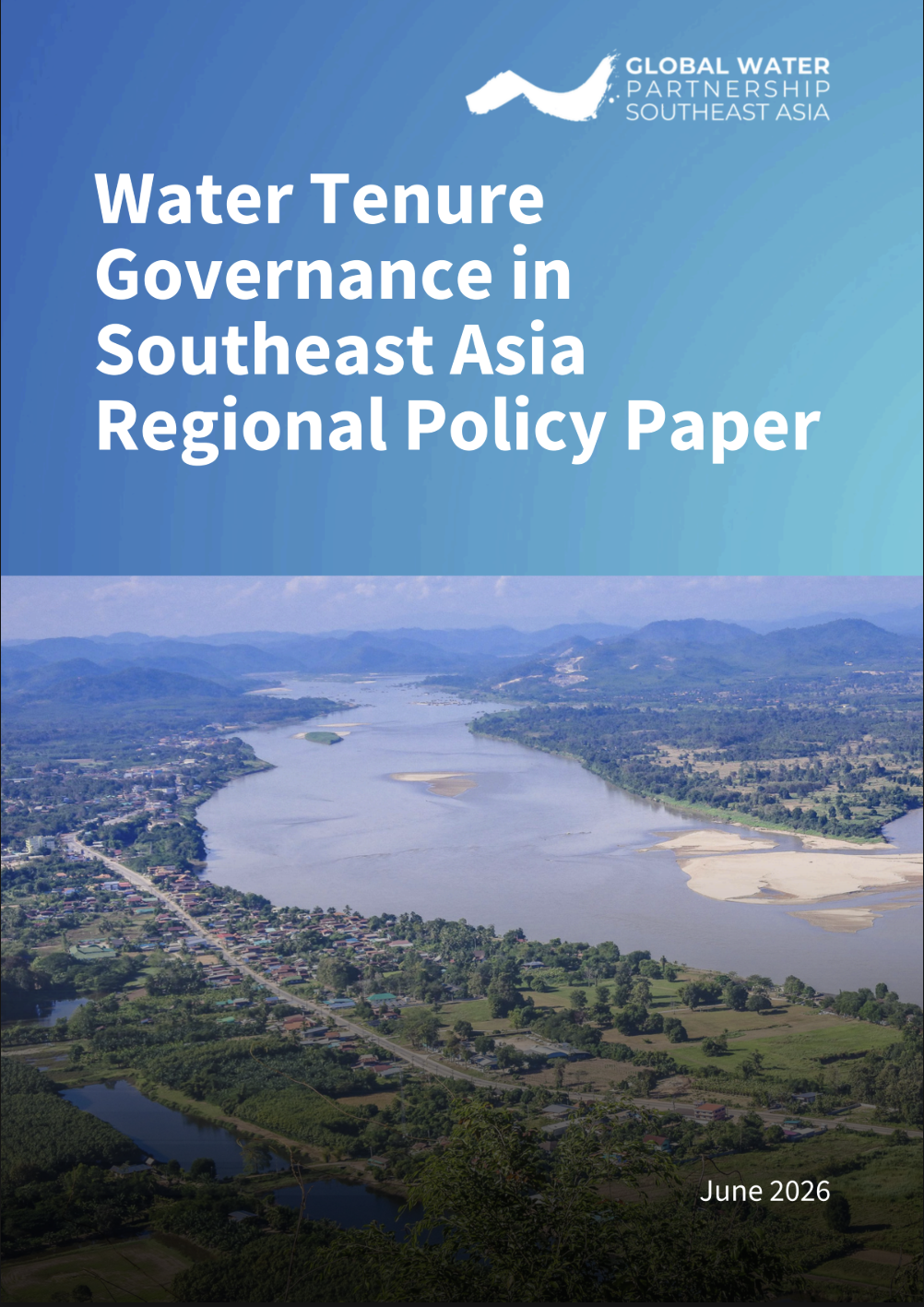
- Policy Direction: Preparation of a Regional Policy Paper to Assess Water Tenure Governance Conditions and Emerging Priorities in Southeast Asia.
Core Project Activities
To ensure a comprehensive approach to water governance, the project implements a rigorous set of activities focused on coordination, research, and stakeholder engagement:
Fostering Common Understanding Knowledge Exchange
- Webinar Series Support: Support to the “Water Tenure Mondays” Webinar Series (Edition Asia and the Pacific), engaging GWP partners and members by featuring six distinctive sessions to share case studies and innovations.
- Expert Training: Specialized training for national and regional experts on the Water Tenure Assessment Methodology to prepare for regional policy development.
Evidence-Based Policy Research
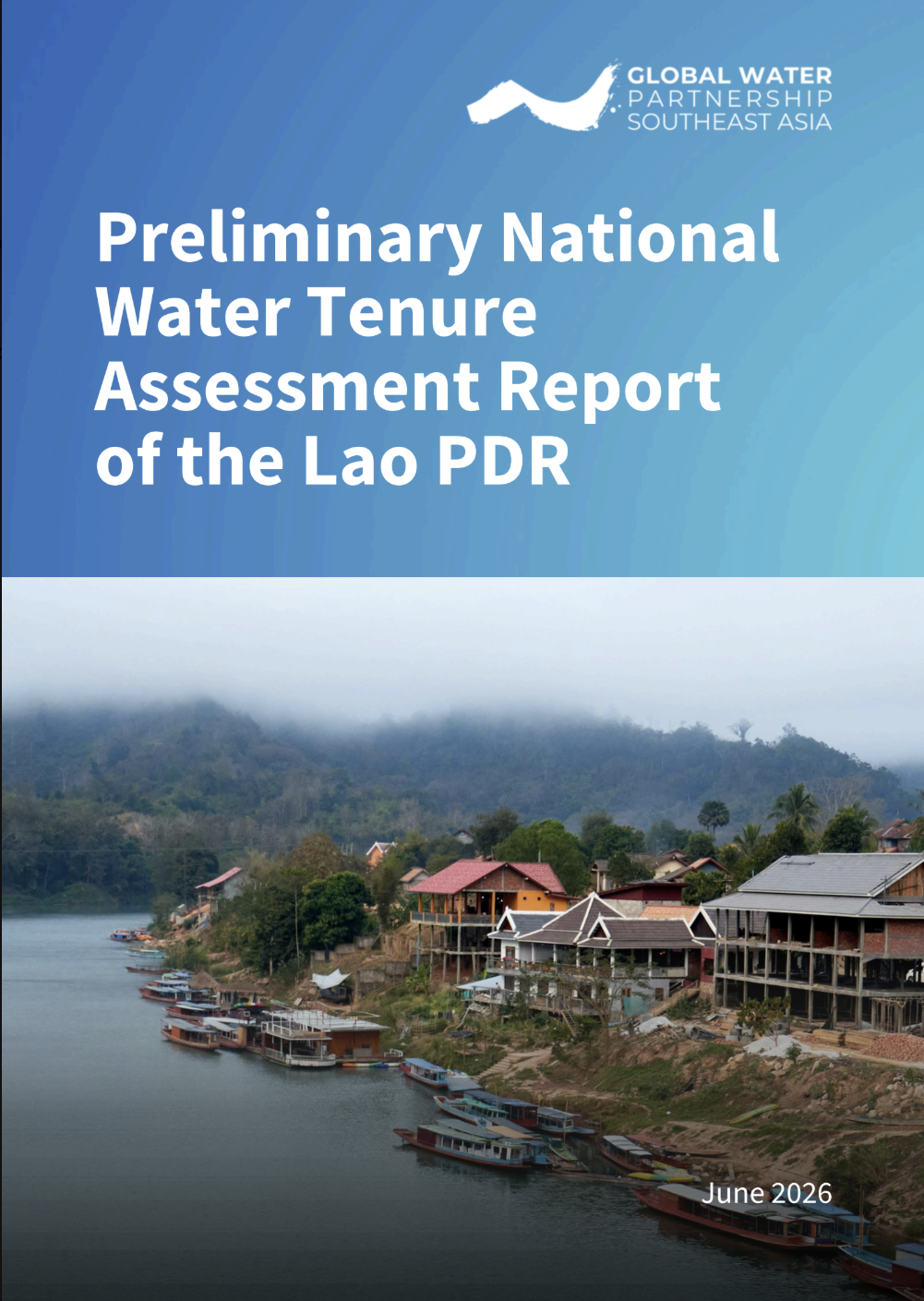
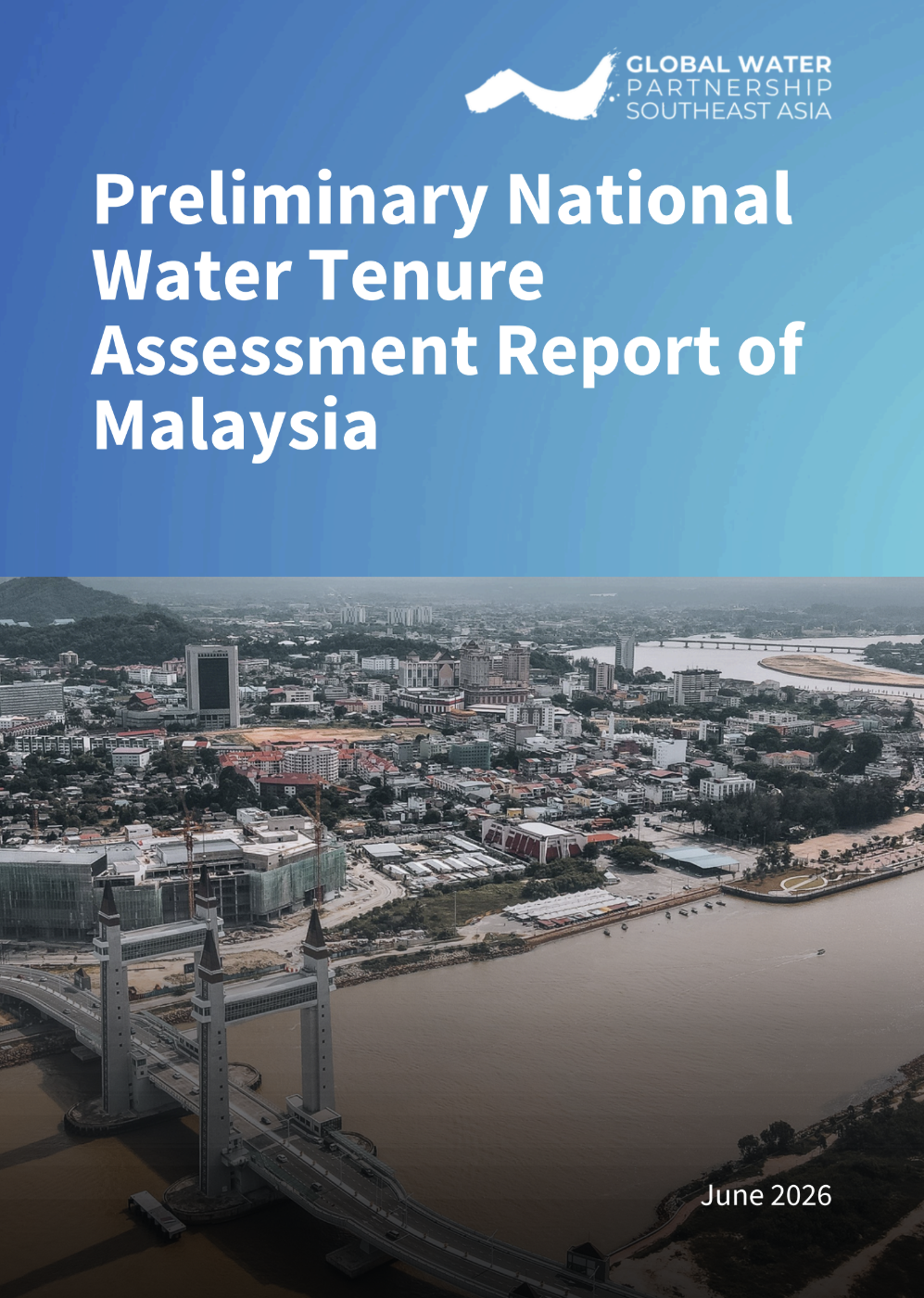
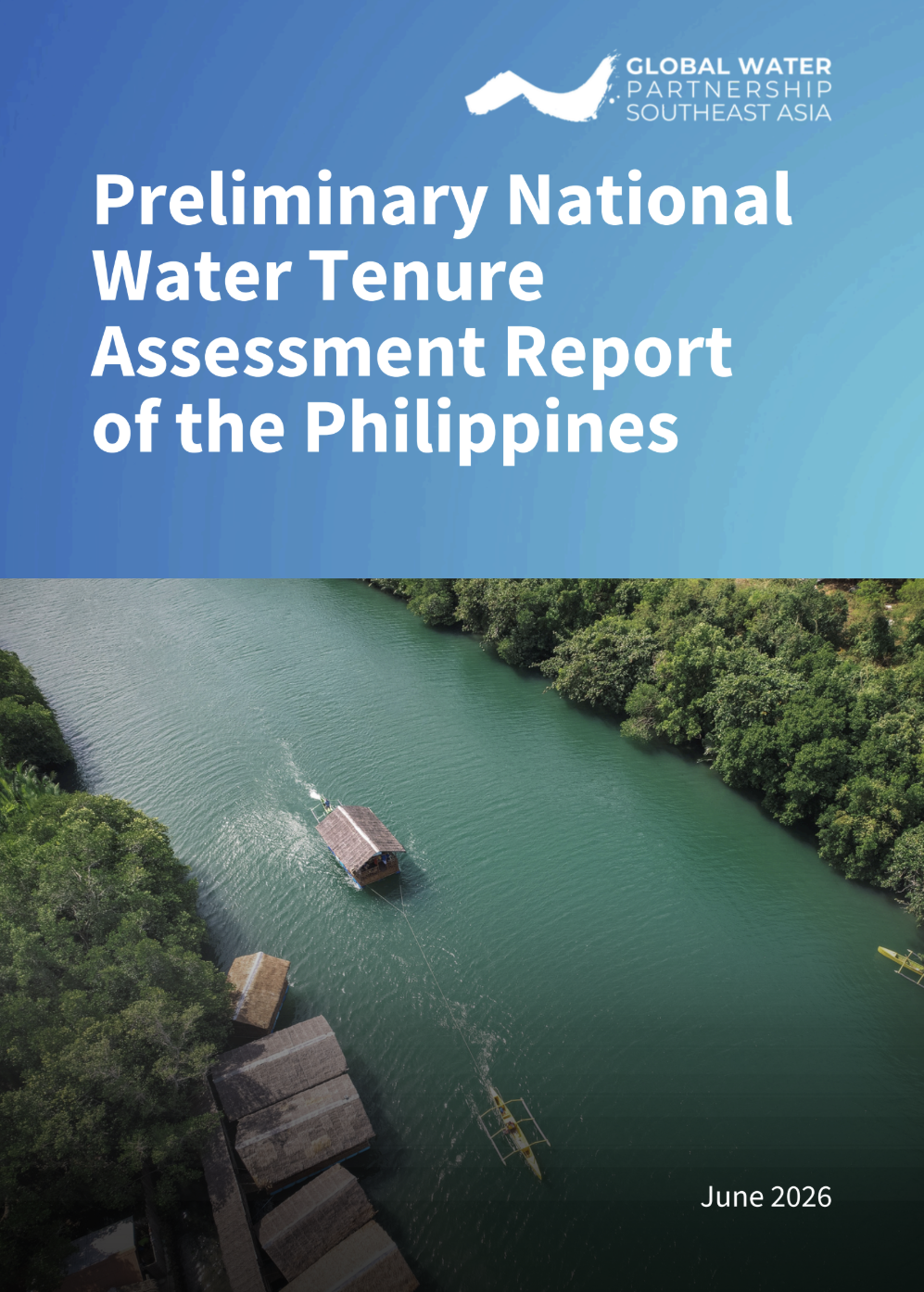
- Preliminary Desk Reviews: Employing experts from Country Water Partnerships (CWPs) to identify and report on legal, institutional, and customary water tenure arrangements in Malaysia, Lao PDR, the Philippines; and engaging FAO’s ScaleWat and Water Scarcity experts to compile existing information on the current analysis on water tenure in Viet Nam, Thailand, Cambodia, and Indonesia.
- Stakeholder Mapping: identifying institutions, decision-makers, and community stakeholders at national and regional levels.
- Regional Policy Paper: Preparation of a Regional Policy Paper to Assess Water Tenure Governance Conditions and Emerging Priorities in Southeast Asia
Capacity Building and Consultation
- Online Capacity Strengthening: Organization of regional capacity-building sessions, including the preparation of resource toolkits and assessment questionnaires.
- Pre-Regional Consultation: A structured multi-stakeholder dialogue on the “Principles of Water Tenure” to consolidate regional inputs and draft inclusive agendas.
- Technical Support: Logistical and technical assistance for the participation of Global Water Partnerships members and partners in the Regional Dialogue on Water Tenure for Asia and the Pacific.
News and Related Information
Stay updated with the latest progress and insights from the initiative:
January 2026: Kick-off of the GWP-SEA and FAO collaboration on Water Tenure
January – February 2026: Water Tenure Mondays Webinar
31 March 2026: Water Tenure and Assessment Methodology for the Asia-Pacific
23 April 2026: Pre-regional dialogue for the preparation of the Regional Dialogue on Water Tenure Asia Pacific
6–7 May 2026: Regional Dialogue on Water Tenure in Asia and the Pacific, held in Bangkok, Thailand