Under the GWP Strategy 2026–2030, inclusiveness, gender equality, and social inclusion remain core values in advancing water security and climate resilience. GWP continues to support the Dublin Principle that women play a central role in the provision, management, and safeguarding of water resources. As the interconnected challenges of climate change, water insecurity, and inequality intensify, greater emphasis is needed to ensure equitable and inclusive approaches to water governance and investment.
GWP promotes gender-transformative approaches that strengthen the meaningful participation, leadership, and decision-making of women and marginalised groups across water governance, climate resilience planning, and water investment processes.
GWP’s work to promote gender equality under the Strategy 2026–2030 focuses on:
Through its global and regional partnerships, GWP continues to support the mainstreaming of gender equality across water policies, programmes, and investments, while encouraging women’s organisations, youth groups, and community stakeholders to actively engage in GWP partnerships and processes.
Looking back: 2020 – 2025
Under the Strategy 2020–2025, Mobilising for a Water Secure World, GWP strengthened efforts to integrate gender equality and social inclusion across regional and global programmes, with a growing focus on climate resilience and inclusive governance.
A major milestone during this period was the implementation of the Water, Climate, Development and Gender (WACDEP-G) programme, which advanced gender-responsive climate resilience planning and strengthened the participation and leadership of women in water and climate processes across multiple regions.
Key activities and areas of support included:
Looking back: 2014 – 2019
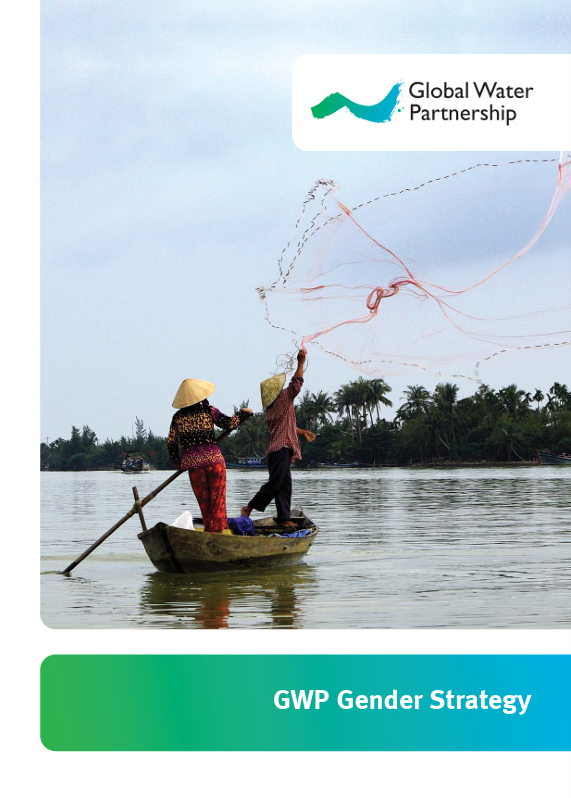
GWP’s Gender Strategy was developed under the 2014 – 2019 Strategy, Towards 2020: A Water Secure World, and laid the foundation for integrating gender equality and social inclusion across GWP’s work. The Strategy addressed diversity and inclusion, social equity, and women’s role in the integrated and sustainable management of water resources, recognising that women and men should benefit equally from efforts to improve water security. To support implementation of the Gender Strategy, GWP later developed a Gender Action Piece to help operationalise its priorities and strengthen the integration of gender-responsive approaches across programmes, partnerships, and organisational processes.
Key activities during this period included: