
According to the UN, over 90% of climate disasters are water-related. Climate change is intensifying pressure on water resources, making strategic and sustained investments in water management essential for resilience. As droughts, floods, and extreme weather events become more frequent, countries must prioritize water infrastructure that ensures reliable supply, protects ecosystems, and supports communities and economies. Meeting this challenge requires mobilizing both public and private funding, creating financial models that attract investment while safeguarding long-term sustainability.
At the same time, climate adaptation demands smarter, more efficient use of natural resources. Cutting-edge technological tools—such as remote sensing, digital twins, real-time monitoring, and AI-driven forecasting—enable decision-makers to anticipate risks, optimize water allocation, and reduce losses.
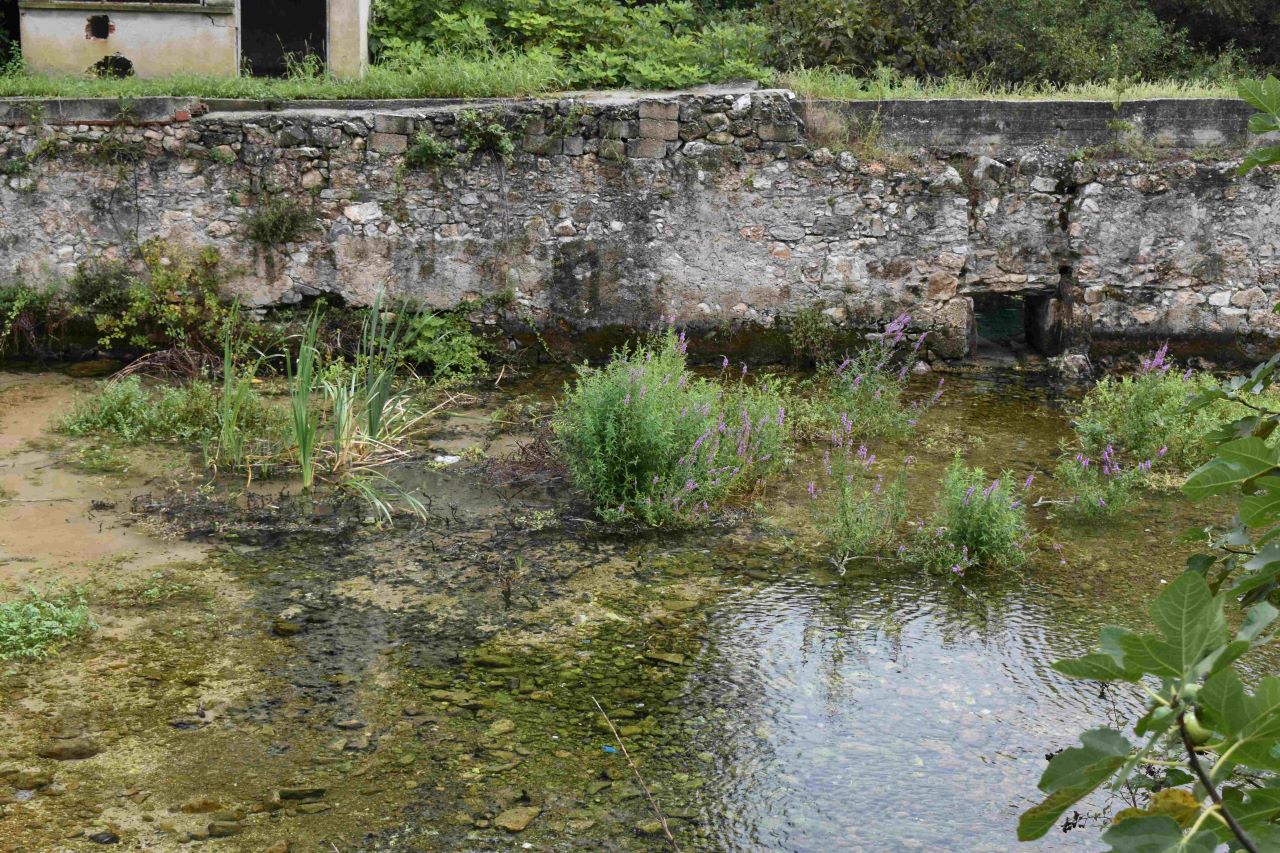
Nature-based solutions complement these innovations by restoring the natural capacity of ecosystems to buffer climate impacts. Wetland restoration, sustainable river basin management, reforestation, and green urban infrastructure enhance water retention, regulate floods, recharge aquifers, and support biodiversity. When combined with modern technology and well-structured financing, these solutions create a powerful pathway for climate adaptation.
GWP-Med is accelerating and scaling up climate-resilient water investments by coordinating action across governance, capacity development, and financing. Through its participation in regional and transboundary projects, GWP-Med strengthens institutional frameworks, builds the skills needed to manage climate risks, advances robust investment pipelines, and helps countries unlock access to public and private finance for sustainable water management.