
Who We Are
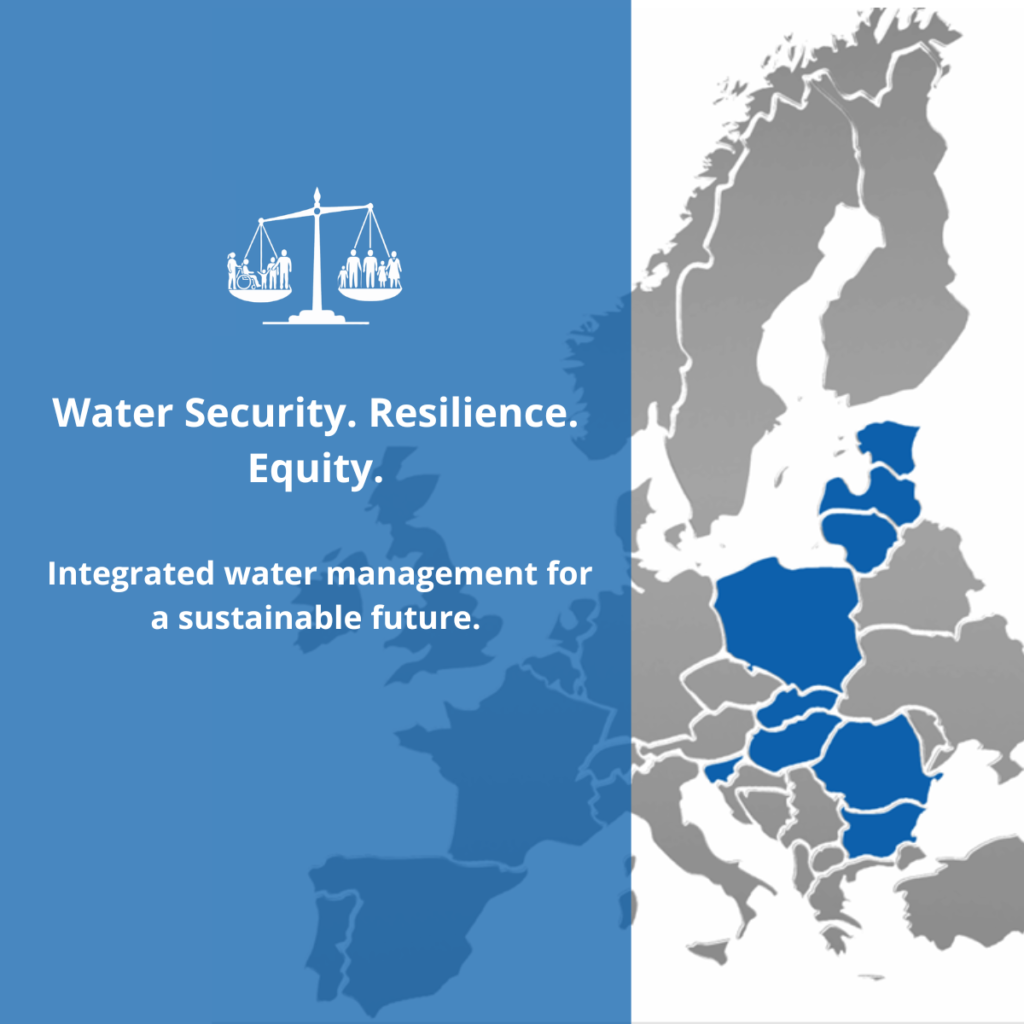
Global Water Partnership Central and Eastern Europe (GWP CEE) was established in 1998 as part of the 13 regions of the global network dedicated to enhancing integrated water management in the CEE region. It brings together nine Country Water Partnerships and more than 200 partner organizations across 15 countries in Central and Eastern Europe.
GWP CEE acts as a neutral platform, knowledge facilitator and catalyst for change, supporting countries and partners in addressing complex water challenges in an integrated and sustainable manner.
Keep Updated
Stay informed about the latest developments in sustainable water management across Central and Eastern Europe. In this section, you will find timely updates from GWP CEE, our partners, and the wider regional network working to advance integrated water resources management (IWRM).
Our Newsflow brings you brief, up-to-date highlights on ongoing projects, events, partnerships, and regional initiatives.
Whether you are a policymaker, practitioner, researcher, or engaged citizen, this space connects you to knowledge, practical solutions, and collaborative efforts that strengthen water security and climate resilience.
Check back regularly to stay updated on how we work together to shape a more sustainable water future for our region.
Mission & Vision
The Global Water Partnership’s vision is for a water secure world. Our mission is to support the sustainable development and management of water resources at all levels.
GWP believes that an integrated approach to managing the world’s water resources is the best way to pursue this vision—a vision that encompasses all of life.
GWP takes its guiding principles from the Dublin and Rio statements (1992), from the Millennium Assembly (2000), which gave rise to the Millennium Development Goals, and from the World Summit on Sustainable Development (2002) Plan of Action, which set a target for the preparation of IWRM and Water Efficiency plans. Over time, GWP has adapted and elaborated these principles to reflect international understanding of the ‘equitable and efficient management and sustainable use of water’.