
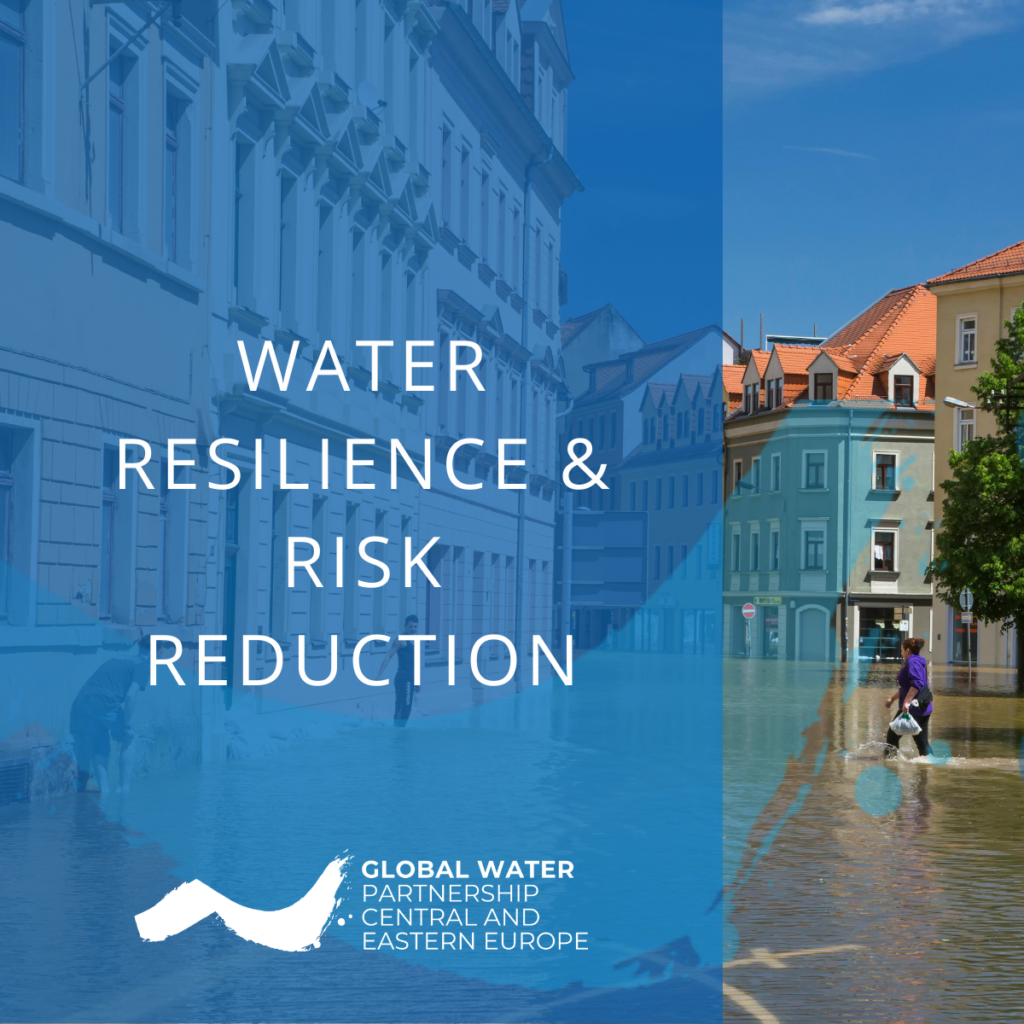
Water resilience & risk reduction
Water resilience and risk reduction is a core work area of GWP CEE, building on our extensive experience in European research, innovation, and transnational cooperation initiatives. GWP CEE bridges science, policy, and practice by supporting the co-creation and implementation of solutions that strengthen preparedness for floods, droughts, and water scarcity. Our work emphasizes river basin–scale approaches, climate adaptation planning, and nature-based solutions, while fostering cooperation across borders and sectors. Through capacity building, policy support, and stakeholder engagement, GWP CEE helps translate evidence and pilot actions into scalable strategies that enhance water security, reduce climate-related risks, and support resilient development across regions.
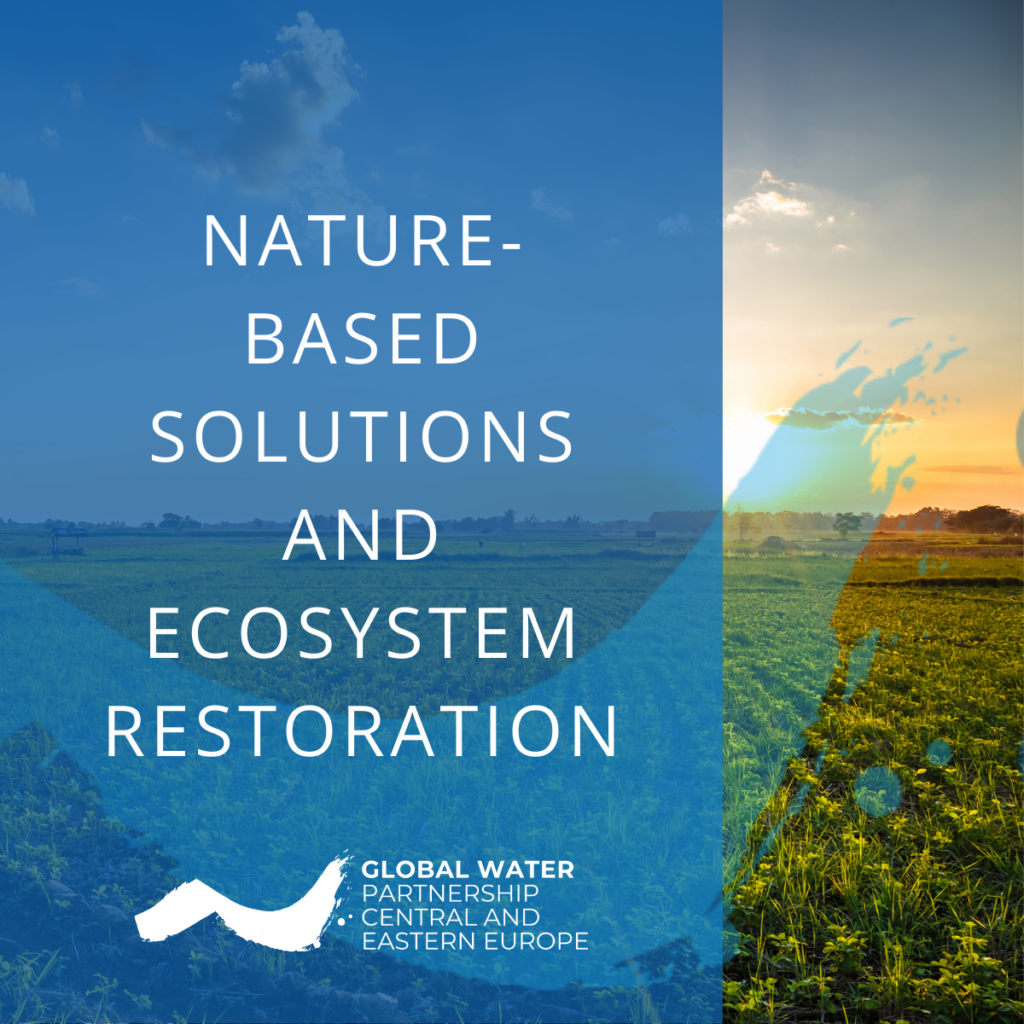
Nature-based Solutions
& Ecosystem Restoration
Nature-based solutions and ecosystem restoration are central to addressing water-related challenges such as floods, droughts, or biodiversity loss. By working with natural processes in rivers, floodplains, wetlands, and agricultural landscapes, these approaches deliver multiple benefits for water security, climate resilience, and ecosystem health while supporting sustainable development. GWP CEE promotes the integration of nature-based solutions into water management practices and planning at basin and regional levels, while linking policy, science, and practice. Currently implemented activities focus on river and floodplain restoration, natural water retention, and participatory approaches through projects such as DANUBE4all or iNNO SED, supporting the uptake of ecosystem-based approaches across Central and Eastern Europe, and beyond.
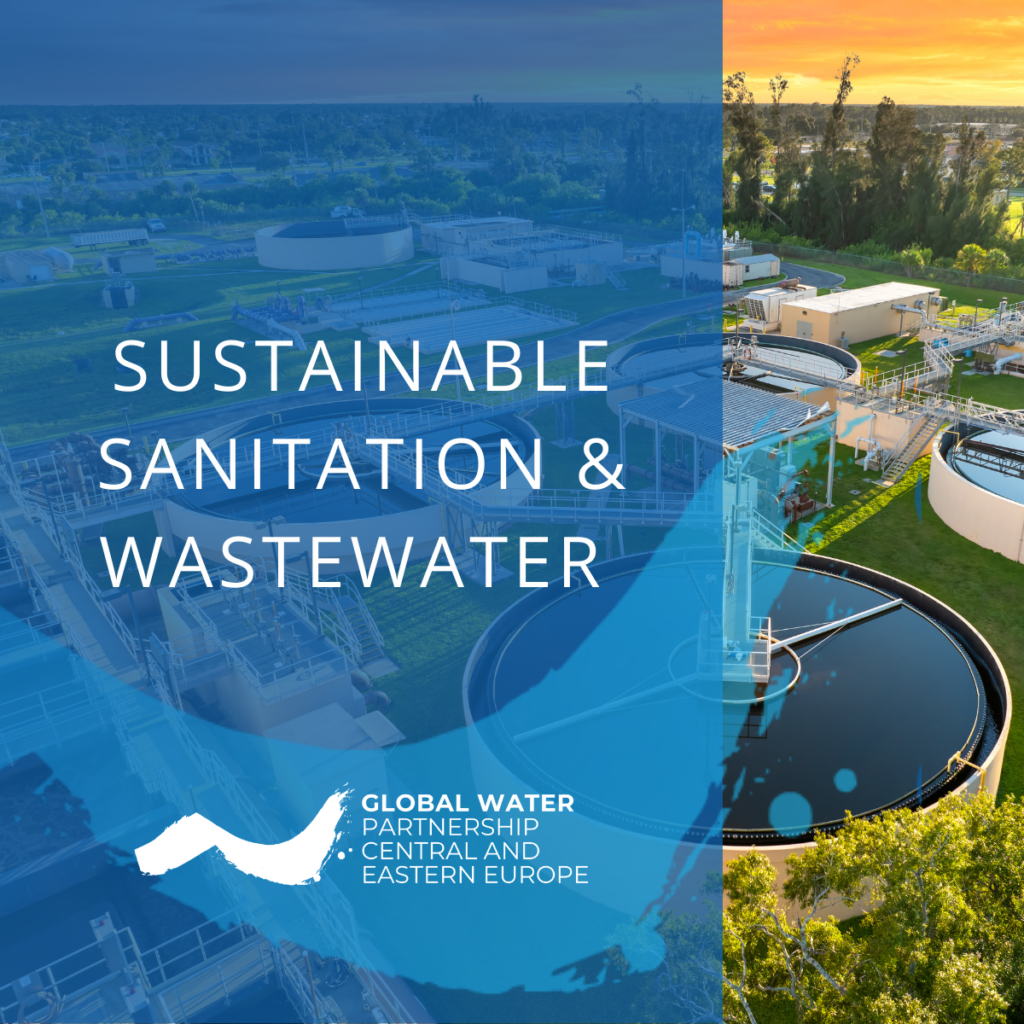
Sustainable sanitation & Wastewater
Sustainable sanitation and wastewater management are essential for protecting water quality, public health and ecosystems in the Danube Region, especially in the face of climate change, urban growth and stricter EU policy requirements such as the new Urban Wastewater Treatment Directive. Many countries and small settlements still face gaps in infrastructure, financing, and technical know-how. GWP CEE addresses these challenges through practical initiatives, including the Sustainable Sanitation Task Force and the Nature-Based Solutions Community of Practice, which support knowledge exchange and capacity building. Our work is closely linked to regional cooperation frameworks such as the ICPDR and IAWD, helping turn policy goals into concrete, locally adapted solutions.

Youth engagement and Education
Engaging young people in water management is vital for building a resilient and sustainable Danube Region, as today’s youth are tomorrow’s decision-makers, professionals and community leaders. GWP CEE works to raise awareness, strengthen capacities, and create meaningful opportunities for youth to engage in water-related topics through activities such as the Danube Art Master, summer schools, and youth-focused projects. Our work responds to the region’s need for skilled and motivated young people, as reflected in the EU Strategy for the Danube Region and other European initiatives. We also stay connected to broader youth dialogues and platforms in the region, including those emerging around initiatives like the Sava Youth Parliament and the Danube Youth Council.