
A series of consultative stakeholder workshops was recently concluded across Albania and North Macedonia, bringing together national Ministries and Agencies, municipal leadership, scientific institutes, and civil society to guide the design of a major transboundary environmental initiative for the Lake Ohrid basin.
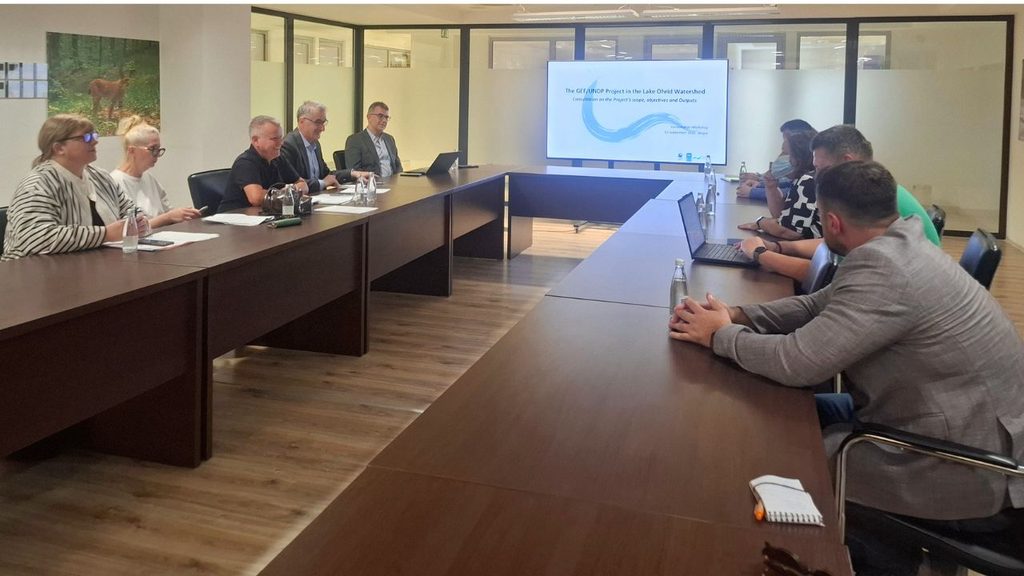
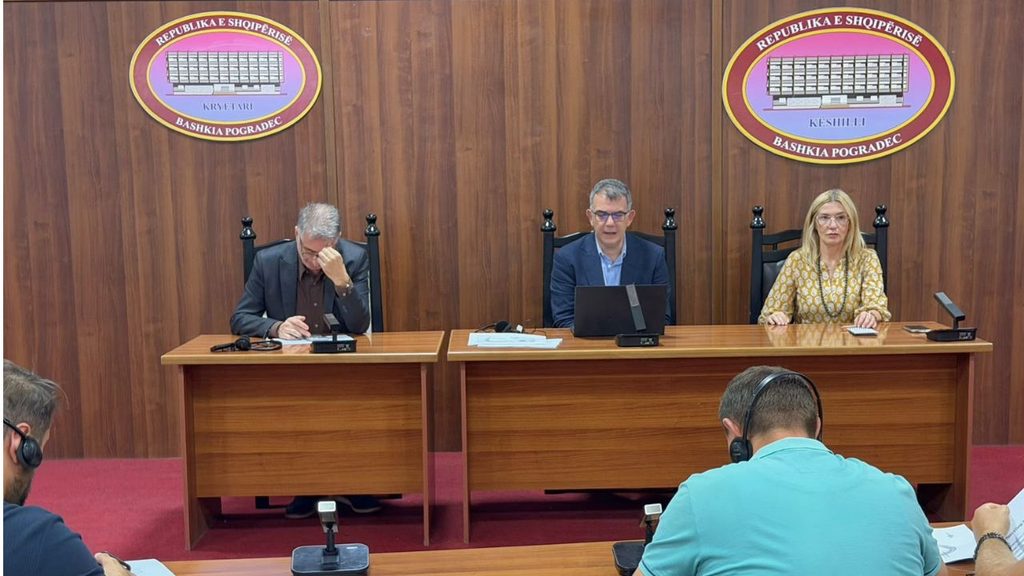
Organised under the Project Preparation Grant (PPG) phase, the workshops engaged national decision-makers in Skopje and Tirana alongside local communities and authorities in Ohrid and Pogradec. The project, titled “Improving Transboundary Water Security and Biodiversity through Integrated Water Resources Management and Ecosystem Restoration in the Lake Ohrid Watershed,” is funded by the Global Environment Facility (GEF), implemented by the United Nations Development Programme (UNDP), and executed by the Global Water Partnership – Mediterranean (GWP-Med).
Transitioning to Legally Binding Transboundary Governance
Lake Ohrid is a globally renowned biodiversity hotspot and a UNESCO World Heritage site, yet it faces growing risks of irreversible degradation from uncoordinated management, habitat loss, and nutrient pollution.
The primary vision of the project is to shift transboundary cooperation from the current largely unenforceable planning into legally binding, integrated governance that directly supports on-the-ground ecosystem restoration and pollution reduction. Crucially, these joint efforts will also contribute to the broader sustainable management of the extended Drin River Basin.
Five Strategic Components Under Discussion
During the consultation sessions, the project preparation team presented the five core components of the project design:
- Strengthening the Scientific Evidence Base: Delivering ecological monitoring aligned with the EU Water Framework Directive (WFD), downscaling hydrological and hydraulic models to assess water balance and related needs under climate change, developing a harmonised transboundary monitoring programme linked to the Drin Information Management System, and a implementing a joint fish stock assessment study.
- Advancing Joint Legal and Policy Frameworks: Formulating a Joint Fishery Management Plan, harmonising protected area zoning regimes, updating the Lake Ohrid Management Plan for formal national adoption, drafting an overarching Lake Ohrid Master Plan and Tourism Development Plan, and facilitating the adoption of binding bilateral protocols on monitoring, fisheries, and tourism.
- Investing in On-the-Ground Ecosystem Resilience: Piloting concrete nature-based solutions, including an engineered wetland for rural wastewater treatment, precision agriculture demonstrations empowering women practitioners, nature-based sediment traps and erosion control in the Sateska River basin, sustainable port infrastructure for Ohrid town, and enhanced enforcement tools against illegal fishing.
- Knowledge Sharing and Institutional Capacity: Building technical capacity for local municipal staff and scientific bodies—such as the Hydrobiological Institute in Ohrid—while establishing public dashboards and exchanging experiences through the global GEF IW:LEARN network.
- Accountability and Safeguards: Operating a gender-responsive monitoring and evaluation framework and a dedicated grievance redress mechanism.
Harvesting Local Insights for Project Ownership
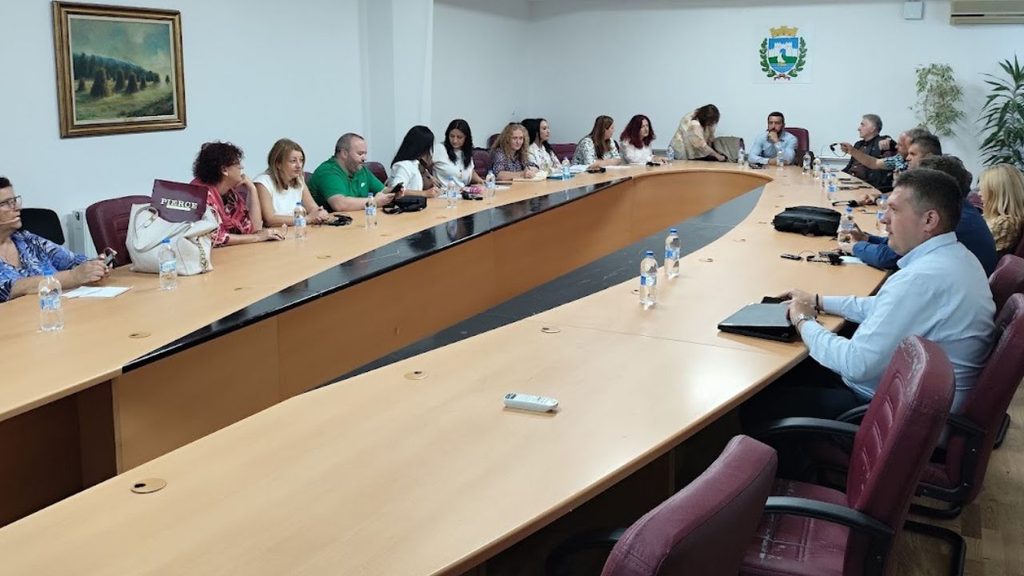
The interactive sessions focused on gathering direct feedback from participants to ensure that project outputs are technically sound, realistic, and tailored to local realities.
Decision makers and local authorities discussed in detail aspects of the proposal, including data availability and sharing, options for hydrological modelling, as well as latest developments on different issues including on wastewater treatment and fishing catch quotas.
The feedback gathered during these consultations in both countries will be integrated directly into the final project documentation as the initiative advances towards final GEF CEO Endorsement.