
The Drin Basin’s experience was brought to the global climate stage at COP31 in Antalya, Türkiye, showcasing a decade of cooperation that could offer valuable lessons for other shared river basins around the world. Through collaboration across national borders, the Drin countries have demonstrated how common challenges can become a basis for collective action. As water gains increasing prominence in international climate discussions, the Drin provides an example of how regional cooperation can be strengthened, replicated and built upon to advance climate resilience, protect ecosystems and promote sustainable development – from source to sea.
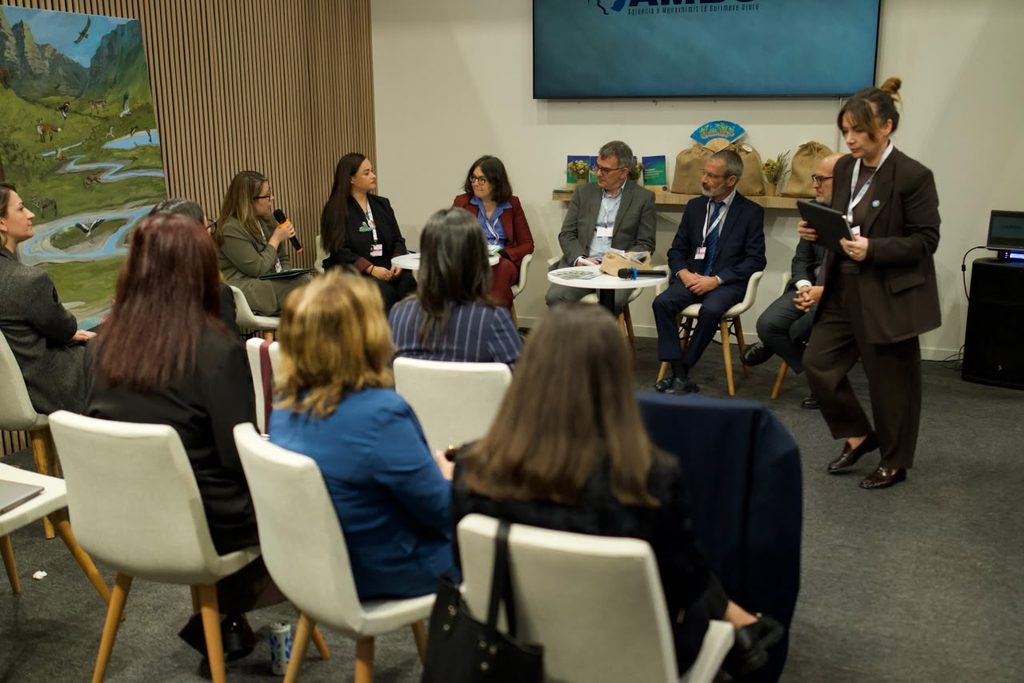
This was the message shared by Mr. Tassos Krommydas, Senior Programme Officer at GWP-Med, during the panel discussion “From Drin to the Adriatic – The Drin/Buna Basin, from Source to Sea”, organised by the Albanian Water Resources Management Agency (AMBU) on 17 November, as part of the COP’s thematic day on “Ocean, Seas, Nature and Land Use”. The discussion took place at Albania’s Pavilion, the first pavilion hosted by a Western Balkan country at a UNFCCC COP.
The presentation highlighted the progress of transboundary cooperation in the Drin Basin, shared by Albania, Greece, Kosovo*, Montenegro and North Macedonia, which GWP-Med has facilitated since 2011 in coordination with the UNECE. Through the 2011 Drin Memorandum of Understanding and the Drin Coordinated Action (Drin CORDA), the countries have built a shared regional governance framework, supported by joint assessments, a Transboundary Diagnostic Analysis and a Strategic Action Programme setting seven long-term goals. The Drin Core Group and its Expert Working Groups continue to steer regional dialogue and coordination.
With the support of the GEF Drin II Project, this cooperation is now translating into practical action, including constructed wetlands for rural wastewater treatment, precision agriculture and coastal erosion control. While progress is significant, challenges remain, notably the need for stronger joint monitoring, improved data sharing and closer coordination across water, energy, agriculture and environmental sectors – particularly in addressing dam cascades, floods and ecological flows.
“The Drin experience shows that countries can build a common understanding of shared challenges and translate it into joint action. But cooperation needs to become more effective and sustainable. We need to move beyond an advisory framework towards an institutional arrangement with the authority to support and sustain decisions across the basin.”
Tassos Krommydas, Senior Programme Officer, GWP-Med
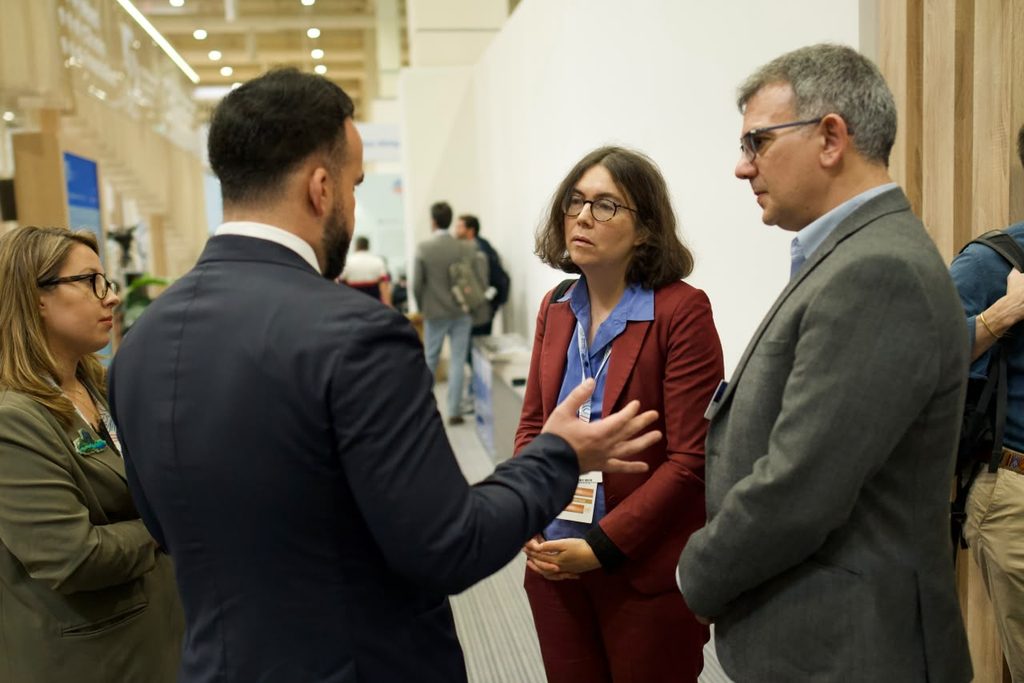
Albania’s Minister of Environment, Mr. Sofjan Jaupaj, in a side meeting he had with the representatives of GWP-Med and UNECE, expressed his full support to the process towards an International Agreement for the Drin basin, and his appreciation to the two institutions for their efforts and assistance in this regard.
The Drin’s presence at COP31 highlighted a wider message: climate resilience and healthy ecosystems cannot be secured in isolation. They require countries to work together and manage water, land and ecosystems as one interconnected system – from source to sea.