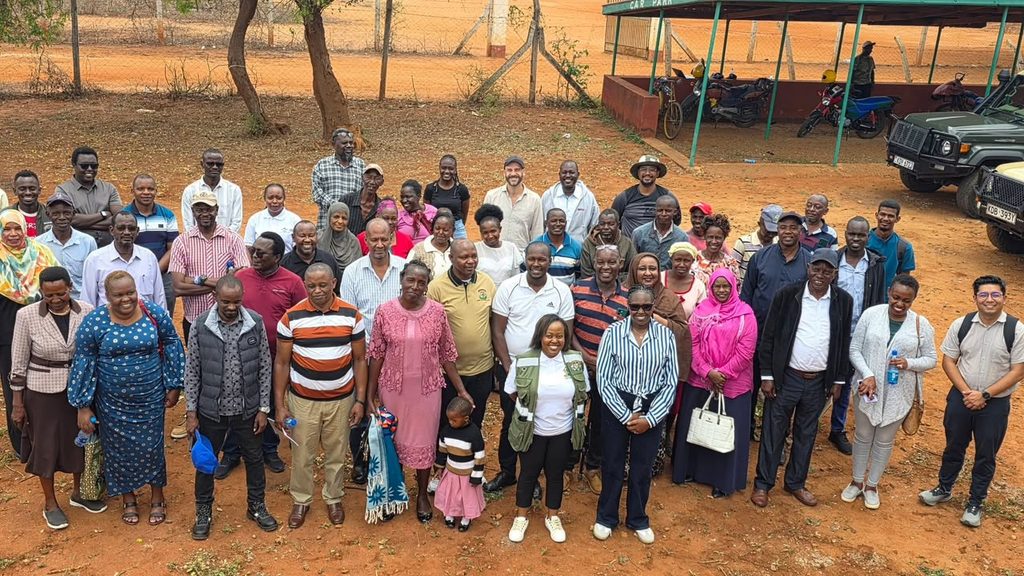
The Strengthening Drought Resilience for Smallholder Farmers and Pastoralists in the IGAD Region (DRESS-EA) project conducted a series of activities in Kenya between 6th to 9th October 2026 to strengthen drought preparedness through Blank Operations Exercises aimed at strengthening institutional simulation, cross-country learning, and community engagement.
The exercise brought together participants from Kenya and Sudan to assess institutional readiness, strengthen coordination, and explore how drought information can be translated into timely, coordinated, and effective response actions.
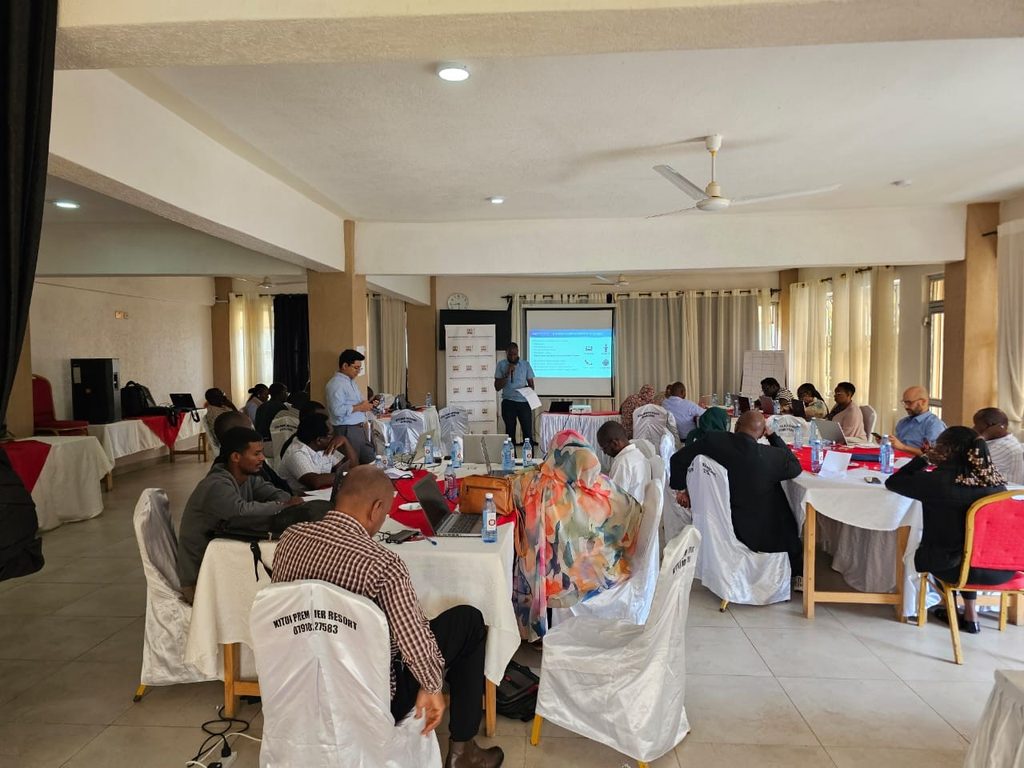
It combined technical sessions on climate information and early warning with practical work on drought management plans, response feasibility and resource allocation. A field visit to Ikanga/Kyatune Ward in Kitui South Sub-County connected these institutional discussions with the experiences of farmers and local structures working to manage climate-related risks.
The simulation focused on the processes needed to prepare for and respond to drought: receiving and interpreting drought information, developing advisories, disseminating warnings and activating drought management action plans. Sessions facilitated by the IGAD Climate Prediction and Applications Centre (ICPAC) and Kenya Meteorological Service (KMSA) examined how climate information can inform decisions before and during a drought emergency.
Participants also reviewed drought policies and procedures, institutional coordination arrangements and responses across different stages of drought. Practical exercises required them to consider whether proposed interventions were feasible, how limited resources should be prioritised and what coordination is required to deliver an effective response. The aim was to examine institutional preparedness and identify areas where response planning and collaboration could be strengthened.
The programme included a learning exchange between Kenya and Sudan. By working through drought response scenarios and examining the activation of management plans, participants explored approaches that can inform preparedness in different national contexts. The exchange reinforced the importance of clear institutional roles, shared understanding of risk information and decisions that align available resources with priority needs.
Taking climate information closer to communities

On 9th October, the DRESS-EA delegation visited Ikanga/Kyatune Ward in Kitui South Sub-County to discuss drought preparedness with farmers, local administrators and community representatives. Led by DRESS-EA Kenya Coordinator Dr. Joyce Kaino, the team was received by Ward Administrator Joycastor Mumina, who highlighted local initiatives aimed at strengthening resilience to climate-related shocks.
Farmers described their experiences accessing weather updates from the Kenya Meteorological Service (KMSA) and the Kenya Red Cross Society. Their discussions with the delegation focused on how timely weather information can support agricultural planning, livestock management and decisions ahead of dry periods or other weather-related hazards. The engagement highlighted that early warning is most useful when messages are accessible, understandable and relevant to the decisions people need to make.
During the visit, ICPAC representatives Felix Kiprono and Mark Ochieng demonstrated the HUSIKA application, which provides weather forecasts, flood alerts and other climate information. The demonstration showcased a digital channel for accessing information that can help users understand potential risks and plan accordingly. The discussions also pointed to the importance of communicating such information in ways that communities can use, supported by local institutions and practical preparedness measures.
Water infrastructure and local preparedness
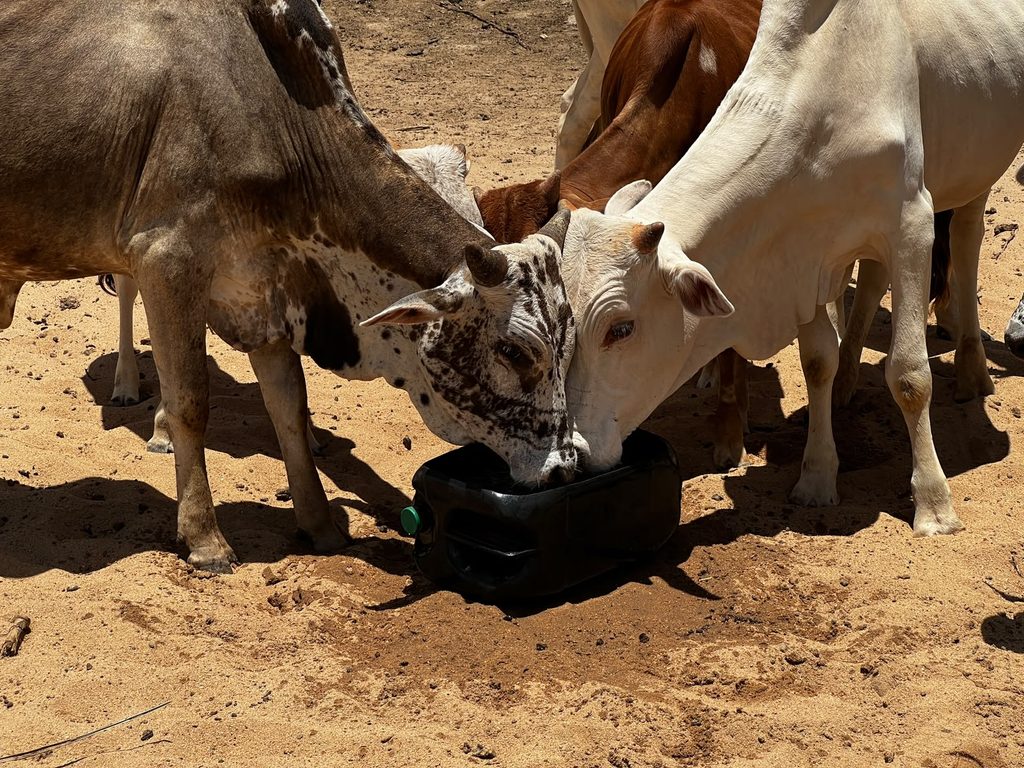
The team also met eight farmers benefiting from the Ikusya Irrigation Scheme. The scheme includes two 10,000-litre water tanks and a solar-powered pumping system that supplies water through a pipeline network. The visit provided an opportunity to learn about a local water supply arrangement supporting farmers and to consider the role of water storage and distribution in managing drought-related pressures.
The delegation further engaged 11 members of the local Climate Change and Drought Management Committee, who support community preparedness and response during droughts and heavy rainfall. Local committees can help connect community experience with early warning information and wider response structures, making their participation important to preparedness efforts. Their involvement complemented the institutional simulation by bringing local perspectives into discussions on how drought risks are communicated and managed.
Linking preparedness with timely action
The exercise and field visit brought into focus the different elements required for effective drought risk management: reliable climate information, clear communication, coordinated institutions, feasible response plans, prioritised resources and community participation. Institutional simulations provide an opportunity to examine response arrangements, while engagement with farmers and local committees helps show how information and preparedness measures connect with realities on the ground.
Through activities such as the Blank Operations Simulation Exercise, DRESS-EA continues to support efforts to strengthen early warning systems, anticipatory action and coordinated drought risk management across the IGAD region. The experience in Kitui underlined a central message: warnings must lead to informed decisions and timely action if they are to help institutions and communities prepare for drought emergencies.