
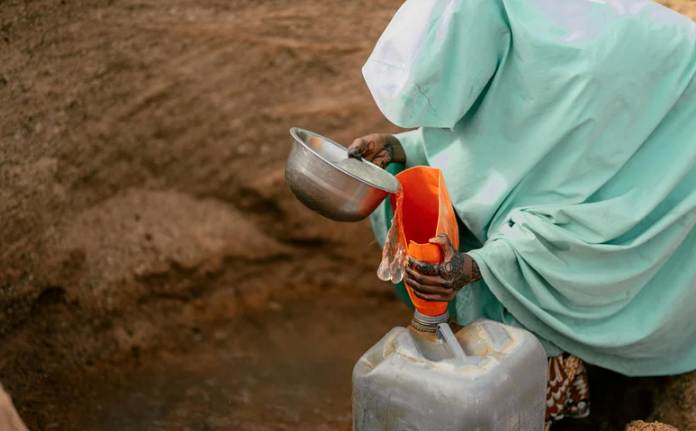
Eastern Africa and the Greater Horn of Africa experience some of the highest climate variability globally, resulting in prolonged droughts, erratic floods, and unpredictable rainfall patterns. Unsustainable human practices, including deforestation, overgrazing, over-cultivation, and poor waste management, have further degraded water catchments, reducing water quality, availability, and ecosystem resilience.
Surface runoff, soil erosion, and declining water retention capacity are widespread, while water-borne diseases remain a leading cause of morbidity. Inadequate sanitation continues to compound health risks in both urban and rural communities.
Addressing Water Insecurity Through IWRM
Integrated Water Resources Management (IWRM) remains a cornerstone solution for building water-secure and climate-resilient societies. GWP defines IWRM as a process that promotes the coordinated development and management of water, land, and related resources to maximize social and economic benefits equitably, without compromising ecosystem sustainability.
GWPEA works with policy-makers, water professionals, civil society, academia, and the media to:
- Create enabling policy, legal, and strategic frameworks for sustainable water management
- Strengthen national and regional water institutions
- Support effective governance, management, and decision-making at the national and community levels