The DRESS-EA Project demonstrates the power of regional cooperation, science-based planning, and community-driven action in addressing climate-induced drought risks. By integrating early warning systems, capacity development, innovative adaptation, and knowledge sharing, the project is transforming vulnerability into resilience across the Horn of Africa.
As implementation continues through 2026, DRESS-EA stands as a model for how coordinated, knowledge-driven approaches can safeguard livelihoods, strengthen institutions, and promote long-term sustainability in drought-prone regions.
Project Objectives
The overarching goal of the DRESS-EA Project is to strengthen the resilience of smallholder farmers and pastoralists in the IGAD region to drought and climate change. This is achieved through four mutually reinforcing objectives below:
1. Developing and Enhancing a Regional Drought Early Warning System
DRESS-EA supports the establishment of an integrated regional Drought Early Warning System that operates across national boundaries. The project strengthens meteorological and hydrological monitoring through upgraded weather stations, expanded data networks, and improved coordination among national agencies. By linking national systems into a coherent regional framework, early warning information becomes timely, reliable, and actionable, enabling governments and communities to anticipate drought impacts and take preventive action to protect crops, livestock, and livelihoods.
2. Strengthening Stakeholder Capacity for Drought Risk Management
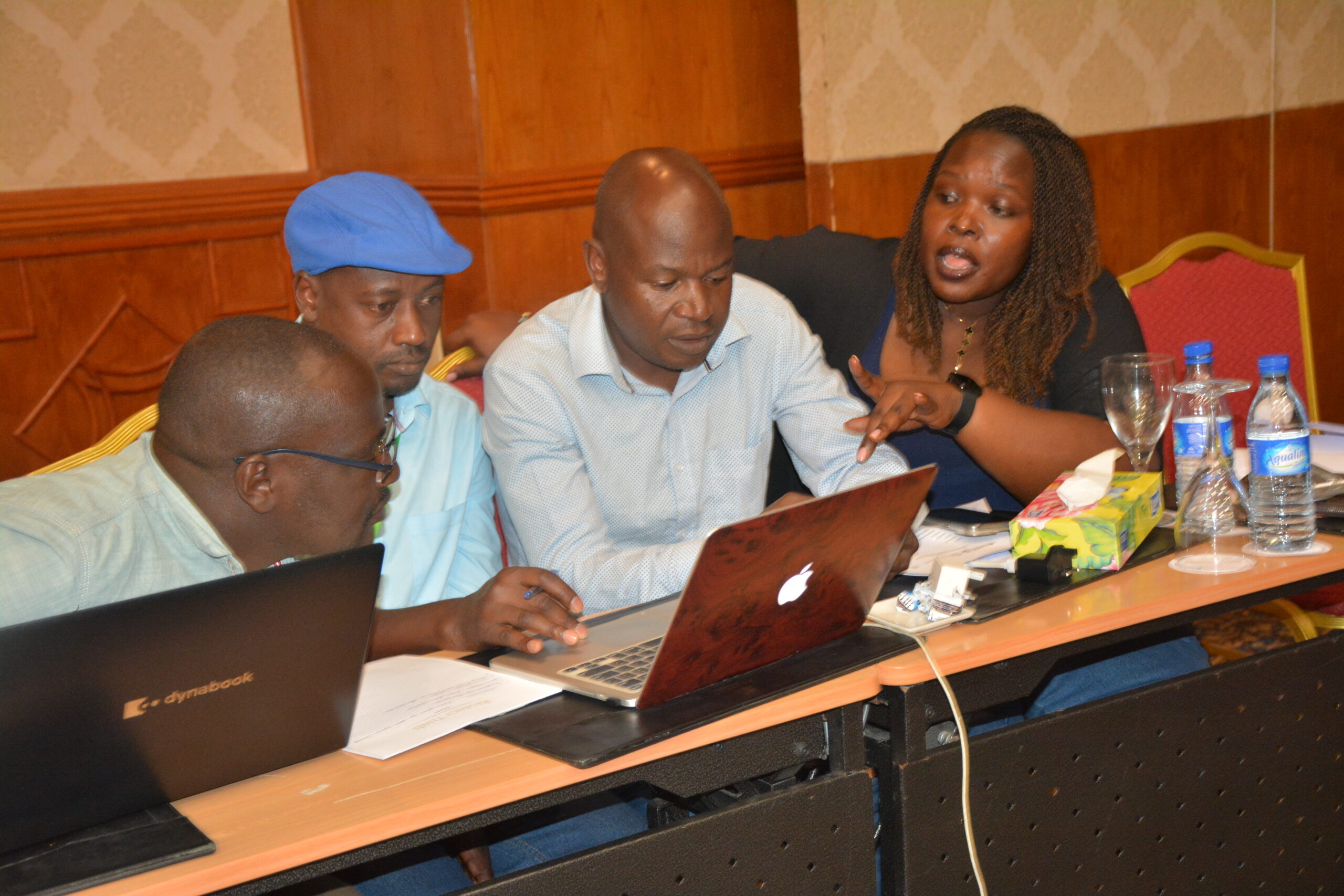
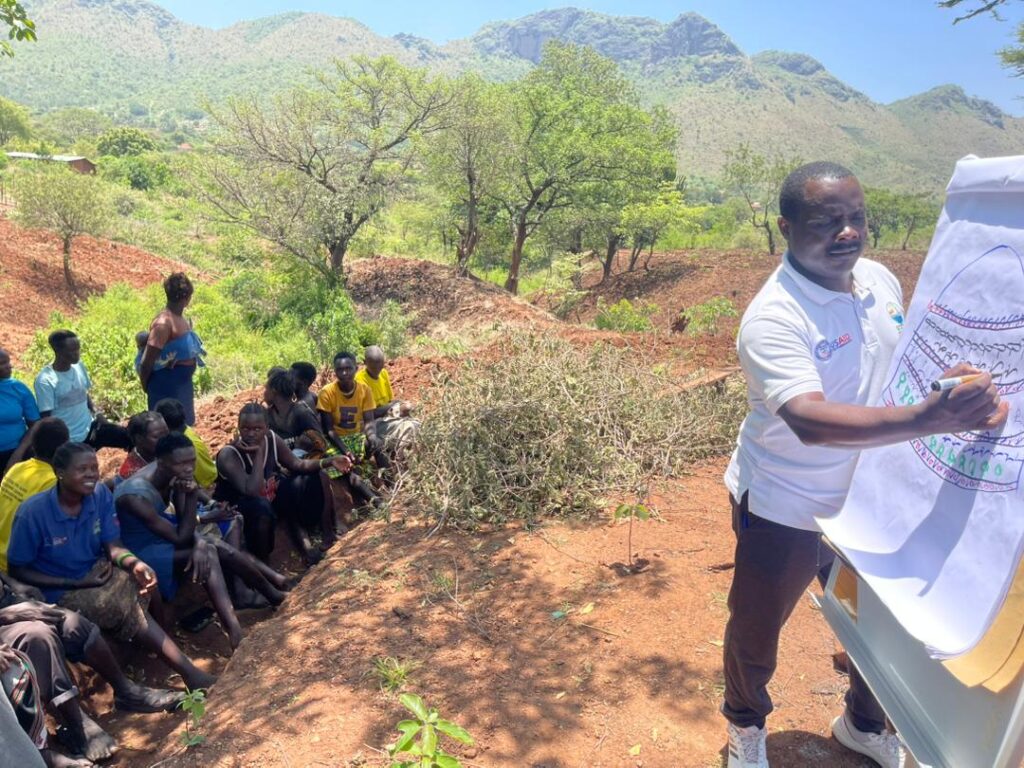
Resilience depends on people and institutions being able to act effectively. DRESS-EA invests in strengthening the technical, institutional, and coordination capacities of stakeholders at local, national, and regional levels. Through training, participatory planning, and the development of Drought Management Plans (DMPs), the project supports the integration of drought risk management into development planning. Regional collaboration also enables the exchange of expertise and best practices across countries.
3. Supporting Innovative Climate and Drought Adaptation Actions
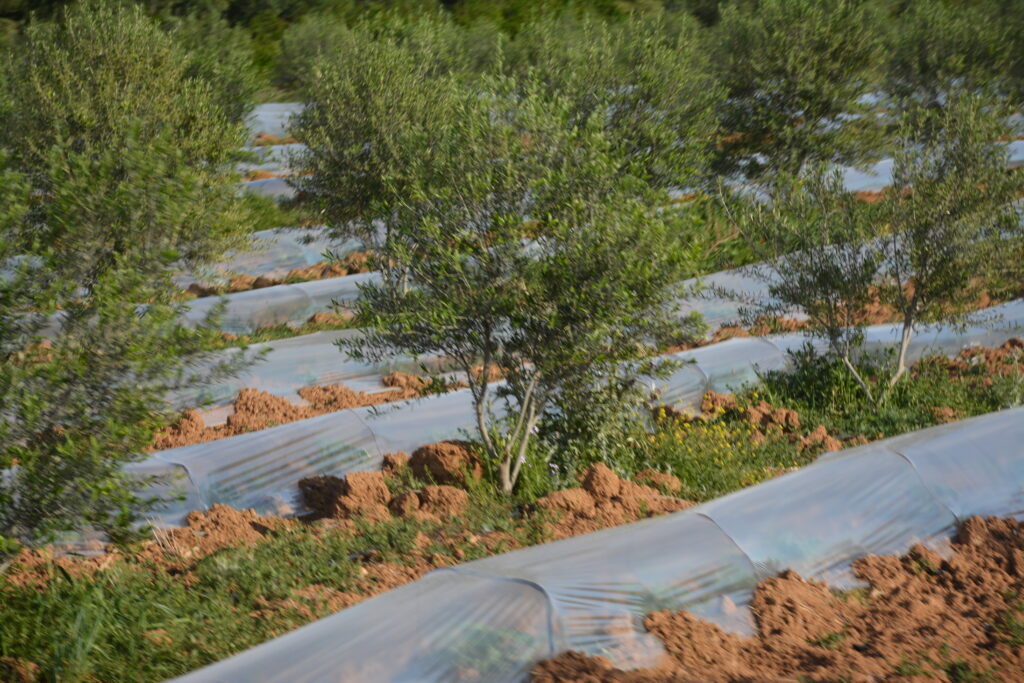
At the community level, DRESS-EA supports practical adaptation measures that directly enhance resilience. These include: Water harvesting and storage infrastructure Climate-smart agricultural practices Introduction of drought-tolerant crops and livestock breeds The project also promotes income-generating activities, particularly for women and youth, such as beekeeping, energy-saving stoves, eco-tourism, and small-scale agribusinesses. These initiatives diversify livelihoods and reduce dependency on rainfall-sensitive activities.
4. Enhancing Knowledge Management and Awareness
Knowledge sharing underpins sustainable resilience. DRESS-EA captures lessons learned, documents good practices, and promotes regional and global knowledge exchange through case studies, policy briefs, and learning events. The project contributes to international climate and adaptation dialogues, including participation in forums such as UNCCD CRIC and UNFCCC COP processes, raising the visibility of drought resilience efforts in the IGAD region and strengthening institutional learning beyond the project lifecycle.