
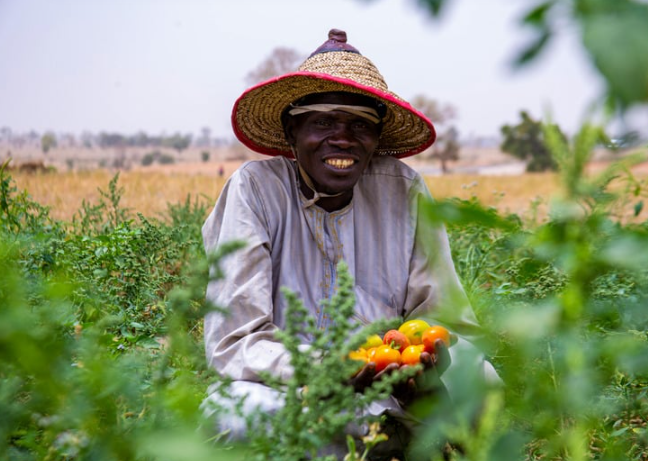
Nearly 80% of the region’s economies depend on agriculture, the largest consumer of water. Declining rainfall and prolonged droughts have intensified competition over water, food, and pasture, fueling local conflicts and threatening food systems.
Lack of sufficient water because of declining rainfall and prolonged drought has caused community-based conflicts over food, lack of water for crop production, and human and livestock consumption. Due to declining rainfall and prolonged drought, community-based conflicts over food, as well as over water for crop production, human, and livestock consumption.
Stories from local farmers, herdsmen, fruit-gatherers, industrialists, policy-makers, and scientists clearly point to the fact that climate change, water, and food are three life-threatening or life-saving elements, inextricably linked. For instance, any drop in rainfall because of climate change affects the water and food supply. This phenomenon becomes worse in most countries of Eastern Africa and the Greater Horn of Africa, where agriculture is predominantly rain-fed.
Therefore, GWP Eastern Africa considers drafting and adopting climate adaptation mechanisms as part of solutions towards building water-secure and food-secure communities in the Greater Horn and Eastern Africa region.
So far, decision-makers from the 8 countries where GWP Eastern Africa operates are steadily realizing the existing relationship between climate change adaptation, water security, food security, and energy security.
Thus, there is a continuing move towards the right direction, evidenced by increased national ownership and engaged efforts and means to meet present urgent (food, water, energy) needs without compromising the needs of the next generations.
However, we note that sustainable water and food security will not be addressed by climate adaptation mechanisms and increased levels of awareness alone, but a multitude of collective efforts, right from policy-makers, planners, end-users, and multi-sectoral interventions.